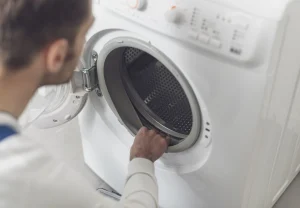
A washing machine that stops working properly does not always need to be replaced. To answer how to repair a washing machine, homeowners should first identify the specific problem, such as draining issues, spinning problems, leaks, unusual noises, or power failures, and then troubleshoot the affected component before considering professional repair. Many common washing machine problems can be fixed with basic maintenance and simple repairs, saving both time and money.
Washing machines are among the hardest-working appliances in a home. They handle large loads of laundry multiple times each week, and over time parts naturally wear out. When problems appear, understanding the most common causes can help homeowners determine whether the issue is something simple they can address themselves or if professional service is needed. Learning how to repair a washing machine starts with understanding how the appliance operates and recognizing the warning signs of specific failures.
Check Power And Basic Settings First
Before assuming a major component has failed, start with the simplest possibilities. Many washing machine problems occur because the appliance is not receiving power properly. Check that the power cord is securely connected to the outlet and verify that the circuit breaker has not tripped. If the machine powers on but will not start a cycle, inspect the door or lid to make sure it closes completely. Modern washers include safety switches that prevent operation when the door is not locked properly. Reviewing the selected wash cycle and settings may also reveal a simple issue that can be corrected immediately. These basic checks often solve problems that initially appear much more serious.
How To Repair A Washing Machine That Will Not Drain
Drainage problems are among the most common issues homeowners encounter. If water remains inside the drum after a cycle finishes, the drain hose or pump may be blocked. Small items such as socks, lint, coins, and debris can restrict water flow and prevent proper draining. Start by inspecting the drain hose for bends or clogs. If the hose appears clear, the drain pump filter may need cleaning. Many washing machines provide access to the filter through a small panel near the bottom front of the appliance. Removing trapped debris often restores normal drainage. When researching how to repair a washing machine, clogged drain systems are frequently one of the easiest problems to solve.
Fixing A Washing Machine That Will Not Spin
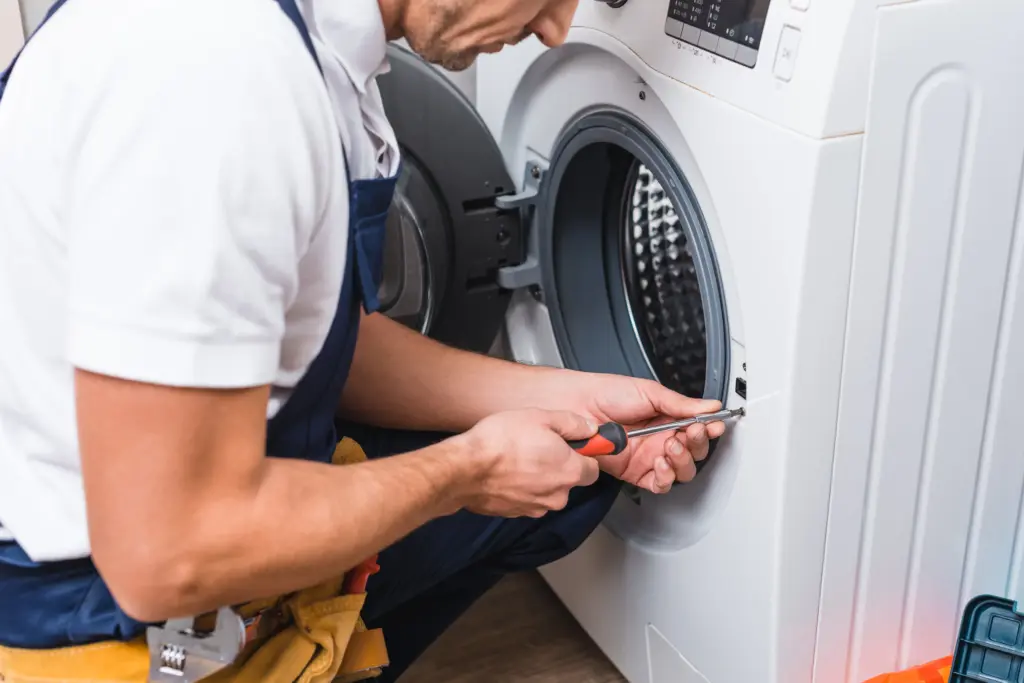
A washer that fills with water and agitates but fails to spin can leave clothing soaking wet at the end of the cycle. This issue may be caused by an unbalanced load, a worn drive belt, a faulty lid switch, or motor-related problems. First, redistribute the laundry evenly inside the drum and try running the spin cycle again. If the problem continues, inspect the lid switch because many machines will not spin if they cannot detect that the lid is securely closed. On belt-driven machines, a worn or broken drive belt may also prevent the drum from spinning properly. Identifying the source of the problem early helps avoid additional strain on the motor and transmission components.
Repairing Water Leaks Around The Washer
Water leaks can quickly damage flooring and surrounding areas if ignored. Common causes include loose hose connections, worn door seals, damaged drain hoses, or excessive detergent use. Start by inspecting all water supply hoses connected to the back of the machine and tighten any loose fittings. Examine the door gasket on front-load washers for cracks, tears, or trapped debris. In some cases, using too much detergent can create excessive suds that escape from the machine and appear to be a leak. Understanding the source of the water helps determine the correct repair and prevents unnecessary replacement of functioning parts.
Addressing Excessive Noise And Vibration
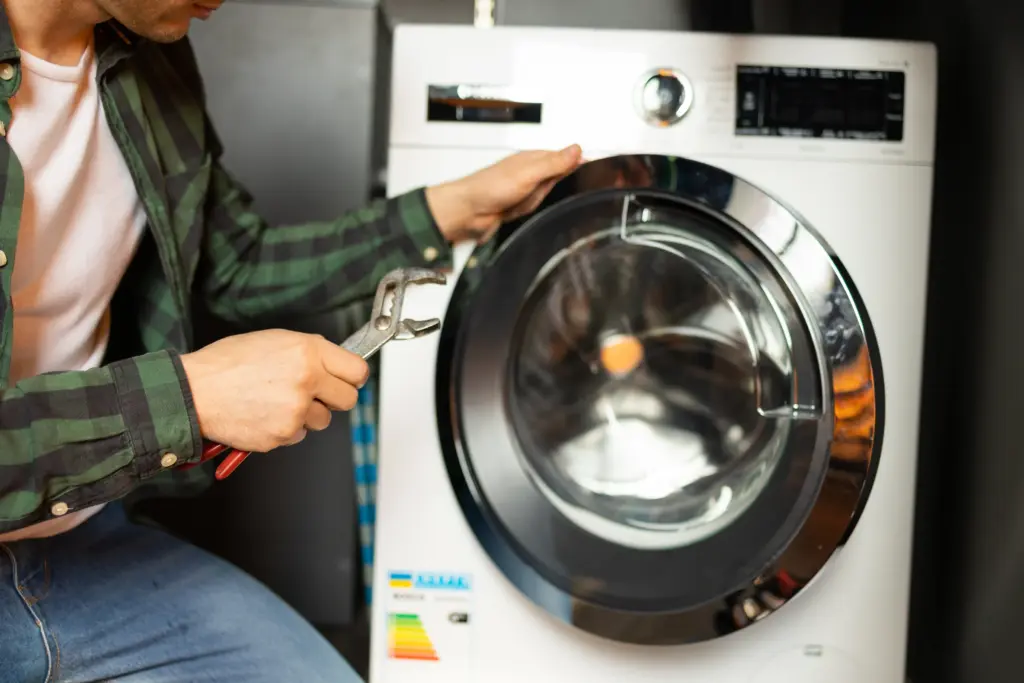
Washing machines naturally make some noise during operation, but loud banging, grinding, or shaking usually indicates a problem. Uneven loads are one of the most common causes of excessive vibration. Rebalancing the load often solves the issue immediately. If unusual noises continue, inspect the machine’s leveling feet and ensure the appliance sits evenly on the floor. Worn suspension rods, shock absorbers, or drum bearings can also create loud sounds during operation. While some of these parts can be replaced by experienced homeowners, others may require professional service depending on the washer model and complexity of the repair.
When The Washer Will Not Fill With Water
If a washing machine starts a cycle but no water enters the drum, several issues may be responsible. Check that the water supply valves behind the machine are fully open and verify that the inlet hoses are not kinked. Sediment buildup inside the water inlet screens can also restrict water flow over time. Cleaning these screens may restore normal operation. In some cases, a faulty water inlet valve or pressure switch may prevent the machine from filling correctly. These components control water flow and water level detection throughout the wash cycle. Diagnosing them carefully helps narrow down the source of the issue.
Routine Maintenance Prevents Many Repairs
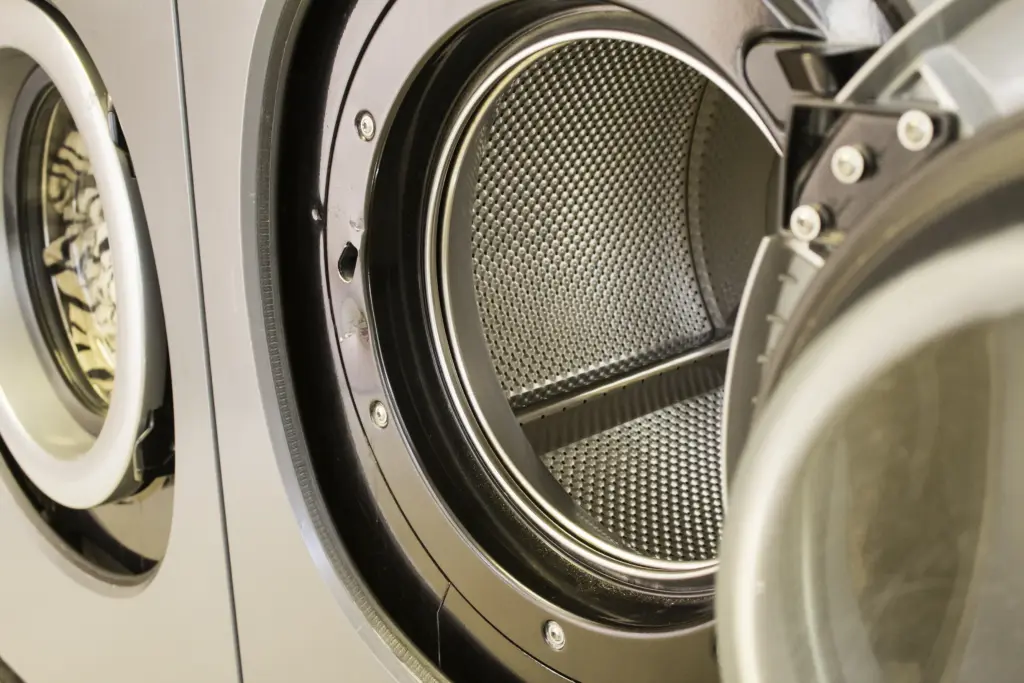
Regular maintenance is one of the most effective ways to reduce the need for repairs. Cleaning the detergent dispenser, inspecting hoses, checking the drain filter, and avoiding overloading the machine all help improve reliability. Front-load washers benefit from periodic cleaning of the door gasket to prevent mold and odor buildup. Running a cleaning cycle with a washer cleaner can also remove residue that accumulates inside the drum and internal components. According to the U.S. Department of Energy, proper maintenance helps improve appliance efficiency and extend lifespan. Consistent care often prevents many common failures before they occur.
Related Appliance Maintenance Matters
Laundry appliances often work together, and issues with one appliance can sometimes reveal maintenance concerns with another. For example, if your washer is functioning correctly but clothing still feels damp after washing, it may be worth checking your dryer performance as well. Homeowners looking for dryer troubleshooting tips can review how to fix a dryer for additional maintenance and repair advice. Keeping both appliances operating efficiently helps improve overall laundry performance and reduces wear on each machine.
Final Thoughts
Understanding how to repair a washing machine can help homeowners solve many common appliance problems without immediately replacing the unit. Some washing machine problems involve electrical systems, control boards, motors, transmissions, or other complex components that require specialized tools and expertise. If troubleshooting does not resolve the issue or if the repair involves major internal parts, professional service is recommended. Attempting advanced repairs without proper knowledge can create safety risks and lead to additional damage. Homeowners in Northeast Ohio who need assistance can visit My Appliance Guy Washing Machine Repair or call (440) 409-4541 for professional diagnosis and repair services.