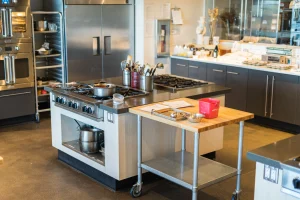
Knowing how to clean kitchen appliances correctly helps remove grease, food residue, fingerprints, odors, and spills without damaging finishes or electrical components. Start by checking the manufacturer’s care instructions because cleaning requirements vary between stainless steel, glass, enamel, plastic, and coated surfaces. Unplug small appliances before cleaning them, and disconnect larger appliances when the cleaning procedure requires access near electrical parts. Use soft microfiber cloths or nonabrasive sponges for most surfaces. Warm water with a small amount of mild dish soap handles everyday grime without exposing appliance finishes to unnecessarily strong chemicals.
Learning how to clean kitchen appliances also means knowing what not to use. Steel wool, abrasive powders, harsh scouring pads, and aggressive chemicals can scratch or discolor appliance surfaces. Avoid spraying cleaner directly into control panels, ventilation openings, switches, or electronic displays. Instead, apply a small amount to a cloth and wipe the surface carefully. Never mix household cleaning chemicals because some combinations can produce dangerous fumes. Deal with fresh spills quickly whenever the appliance has cooled enough for safe cleaning. Regular light cleaning usually requires less effort and reduces the need for aggressive scrubbing later.

Clean The Refrigerator Inside And Outside
A refrigerator needs attention inside and outside because food spills and moisture can create odors or sticky residue. When following how to clean kitchen appliances, begin refrigerator cleaning by removing expired food and temporarily moving remaining items to a cool location. Take out removable shelves and drawers when the manufacturer’s instructions allow it. Let cold glass shelves warm slightly before exposing them to hot water because sudden temperature changes can damage glass. Wash removable parts with mild soap and water, then dry them thoroughly before reinstalling them. Wipe interior walls, shelf supports, and accessible surfaces with a soft cloth.
Exterior cleaning depends on the finish. Painted surfaces generally respond well to mild soap and water, while stainless steel needs more careful treatment to avoid streaks and scratches. Clean handles frequently because they collect fingerprints and grease. Vacuuming or cleaning accessible areas around the refrigerator may also help prevent dust buildup, but do not remove protected panels unless the manufacturer directs you to do so. If cleaning reveals water leaks, unusual frost, temperature problems, or a failing ice maker, professional refrigerator service can address the mechanical problem rather than treating it as a cleaning issue.
Remove Grease From Ovens And Ranges
Cooking appliances often collect the toughest kitchen residue. Grease, sauces, crumbs, and baked-on food can remain on oven walls, racks, burner areas, and range surfaces. Knowing how to clean kitchen appliances safely is especially important around high-temperature components. Wait until the oven or range has cooled fully before cleaning. Remove loose crumbs first, then clean removable racks according to the owner’s manual. For an oven interior, use a cleaner approved for that specific surface. Avoid coating heating elements, temperature sensors, igniters, or other sensitive components with cleaning products unless the manufacturer specifically allows it.
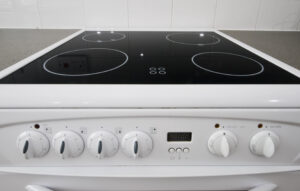
For ranges, the correct method depends on whether you have gas burners, electric coils, radiant glass, or induction cooking. Removable burner caps may require different care than sealed burner assemblies. Glass cooking surfaces should be cleaned with nonabrasive products designed for cooktops because rough pads can leave permanent scratches. Wipe spills before repeated heating turns them into stubborn deposits. If the oven heats unevenly, fails to ignite, or displays recurring errors after cleaning, the problem may require oven repair service rather than additional cleaning. Never disassemble gas or high-voltage components simply to reach hidden grease.
Clean Your Dishwasher And Control Odors
Dishwashers clean dishes every day, but the appliance itself also needs routine care. A useful how to clean kitchen appliances routine should include the dishwasher filter, spray area, door edges, gasket, and interior. Remove the lower rack and inspect the filter if your model has a user-removable design. Follow the owner’s manual when taking the filter out because locking methods vary. Rinse loose food particles away and use a soft brush when necessary. Check visible spray-arm openings for food debris, but avoid forcing sharp objects into them. Wipe residue from the door perimeter and areas the regular wash cycle does not reach.
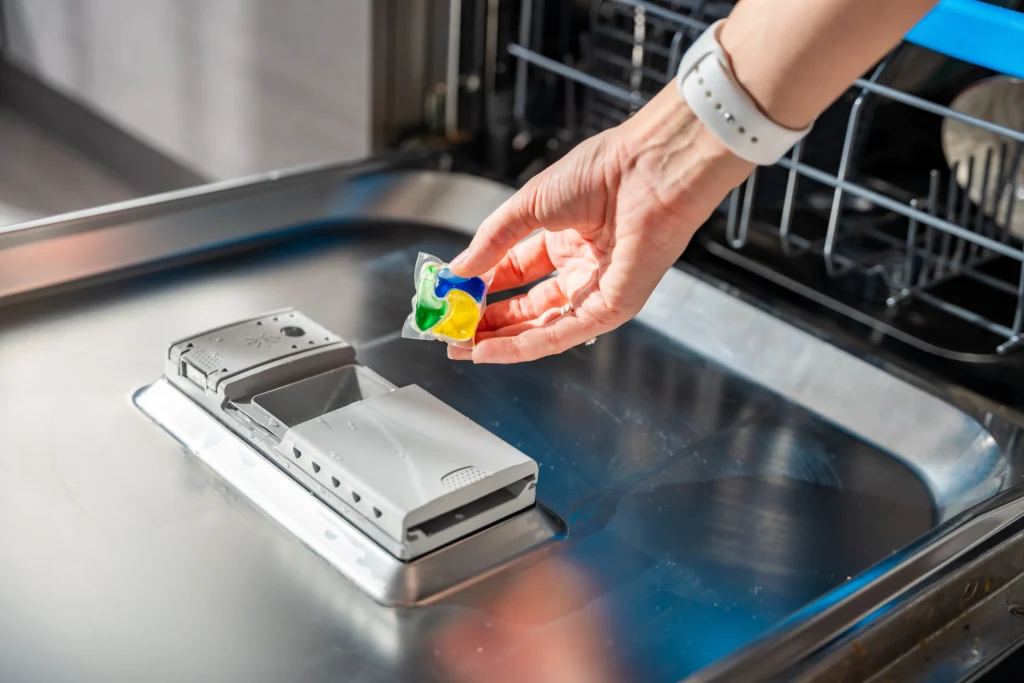
When considering how to clean kitchen appliances, avoid assuming that adding extra detergent makes a dishwasher cleaner. Excessive detergent can leave residue and may contribute to poor washing performance. Use a dishwasher cleaning product only when it is compatible with your model. Regularly remove food scraps from dishes before loading them, but follow the detergent and dishwasher manufacturer’s recommendations regarding pre-rinsing. Standing water, repeated drain errors, leaks, or consistently dirty dishes can indicate a mechanical problem instead of a dirty interior. My Appliance Guy provides dishwasher service for drainage, filling, cleaning, and leaking problems.
Clean Stainless Steel Without Scratching It
Stainless steel deserves special attention because fingerprints and water marks become highly visible even when the appliance itself is clean. When learning how to clean kitchen appliances with stainless finishes, first determine the direction of the grain. Wipe with the grain rather than scrubbing across it. Start with a clean microfiber cloth dampened with warm water to remove loose residue. Mild dish soap can help with greasy areas. After cleaning, wipe away remaining moisture and buff the surface with a separate dry microfiber cloth. This approach helps minimize streaks while protecting the finish from unnecessary abrasion.
The manufacturer should always have the final say on acceptable cleaning products, but general stainless steel care follows a few simple rules. Stainless steel is widely used in kitchen appliances because it resists corrosion and is relatively easy to maintain. For routine cleaning, use a soft microfiber cloth with warm water and mild dish soap, then dry the surface to reduce streaks and water spots.
Clean The Microwave Before Residue Hardens
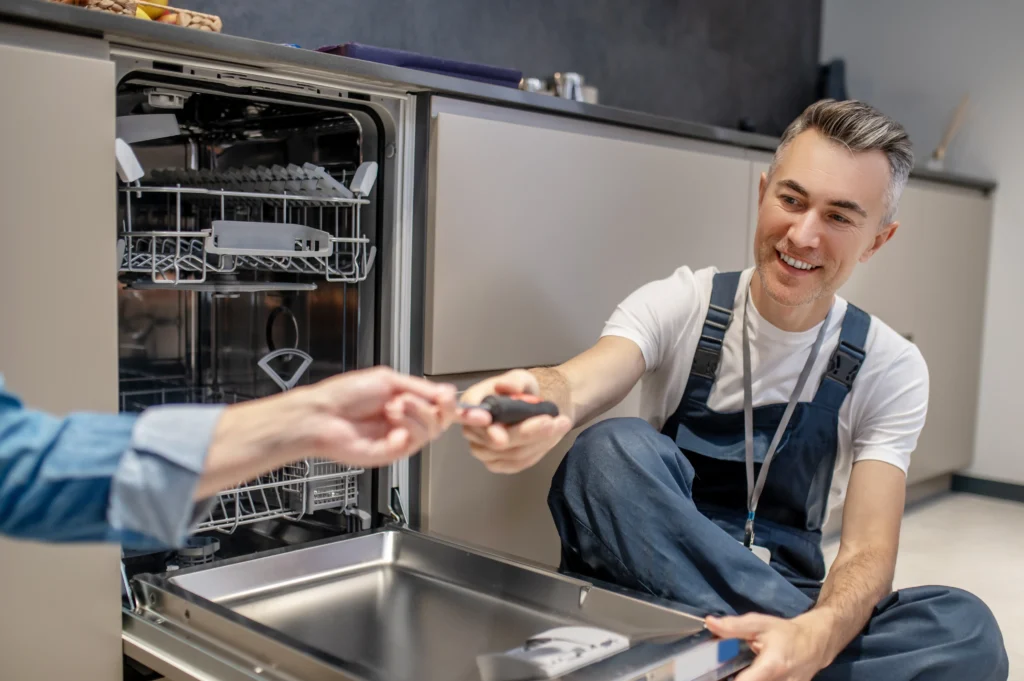
Microwave splatters are easier to remove before they repeatedly heat and dry onto interior surfaces. When following how to clean kitchen appliances, wipe fresh microwave spills after the appliance cools. For dried residue, steam can soften buildup and reduce scrubbing. A microwave-safe bowl containing water can be heated briefly to create steam, after which the interior can be wiped with a soft cloth. Allow hot containers and steam to cool enough for safe handling. Remove the turntable when appropriate and wash it separately according to the manufacturer’s instructions.
Pay attention to the door, turntable area, interior ceiling, and corners where food splatter often collects. Do not use abrasive pads that can damage interior coatings, and never remove protective microwave panels for routine cleaning. Our complete guide on how to clean a microwave provides more focused steps for handling grease, odors, turntables, and hardened food residue. Knowing how to clean kitchen appliances can improve appearance and hygiene, but cleaning will not correct a microwave that sparks, stops heating, or makes unusual electrical sounds. Those symptoms require diagnosis instead of additional scrubbing.
Clean Cooktops And Small Kitchen Appliances Carefully
Cooktops accumulate grease quickly, so regular wiping helps prevent heavy buildup. How to clean kitchen appliances with cooking surfaces depends on the material. Glass and induction cooktops generally need soft cloths and compatible cooktop cleaners. Gas surfaces require extra attention around burner caps and ignition areas. Wait until every cooking surface is cool before cleaning. Do not flood burner assemblies, switches, control knobs, or electrical openings with water. When removing knobs or burner components, follow the manufacturer’s instructions so they return to the correct positions.
Small appliances such as toasters, coffee makers, blenders, food processors, and countertop ovens also need regular care. Another key part of how to clean kitchen appliances is unplugging countertop equipment before wiping or disassembling removable parts. Never immerse a motor base, electrical cord, heating base, or control unit unless its manufacturer explicitly says that component is washable. Empty toaster crumb trays regularly and keep loose debris away from heating elements. Coffee machines may require scheduled descaling based on water hardness and manufacturer guidance. Always check whether removable blender or food-processor parts are dishwasher-safe before putting them through a wash cycle.

Create A Regular Kitchen Appliance Cleaning Routine
The easiest way to manage how to clean kitchen appliances is to prevent residue from becoming severe. Wipe refrigerator handles, appliance controls, and cooking surfaces regularly. Clean spills soon after they occur and the appliance becomes safe to touch. Check the microwave weekly for splatter, inspect the dishwasher filter periodically, and remove crumbs from ovens and countertop equipment before they burn repeatedly. Deep cleaning can then happen less often because routine care prevents layers of grease and food residue from accumulating. A simple maintenance schedule also makes it easier to spot leaks, loose seals, unusual odors, or damaged components early.
Knowing how to clean kitchen appliances protects finishes and keeps the kitchen more pleasant, but cleaning cannot solve every appliance problem. A refrigerator that will not cool, dishwasher that will not drain, oven that will not heat, or microwave that no longer works properly needs diagnosis. Avoid spraying extra cleaner into a malfunctioning appliance or opening electrical compartments in an attempt to fix it. For professional kitchen appliance repair throughout Northeast Ohio, contact My Appliance Guy. Proper cleaning and timely repair work together to keep major appliances dependable and help you get more useful service from them.