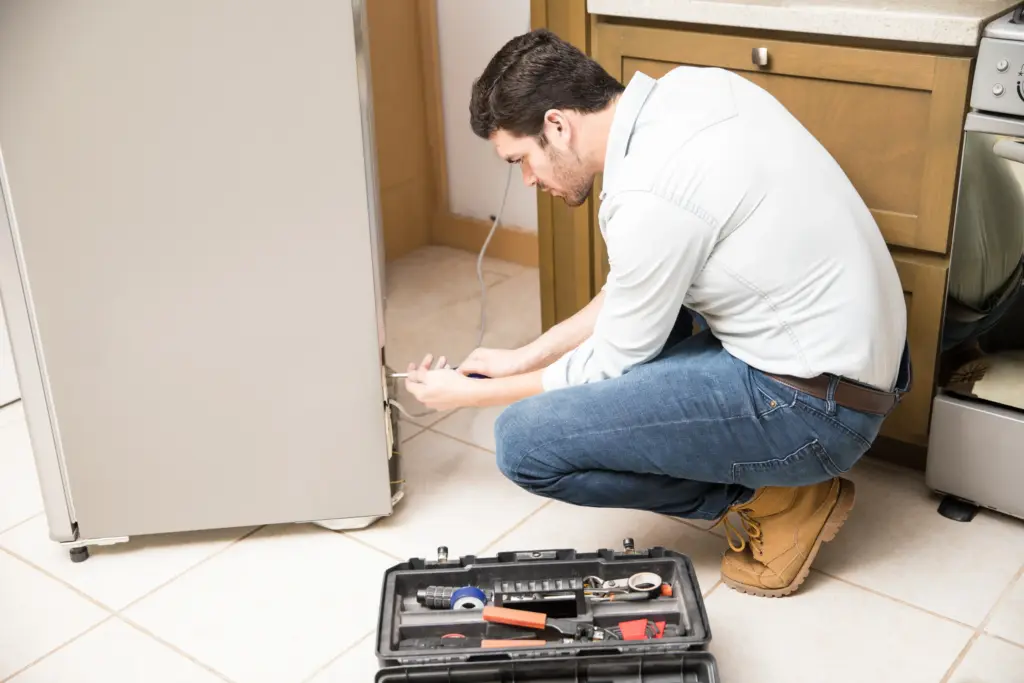
A refrigerator that stops working properly can quickly become a major household problem because food safety depends on consistent cooling. To answer how to repair refrigerator problems, homeowners should first identify the specific issue, such as poor cooling, unusual noises, water leaks, frost buildup, or electrical problems, and then troubleshoot the affected component before considering replacement. Many refrigerator problems are caused by dirty coils, blocked airflow, faulty door seals, or worn components that can often be repaired without replacing the entire appliance.
Because refrigerators operate continuously, their components experience wear over time. The compressor, fans, thermostat, control board, and defrost system all work together to maintain proper temperatures. When one of these parts develops a problem, refrigerator performance suffers. Understanding how the appliance works makes it easier to identify the source of the issue and determine whether a simple repair can restore normal operation.
Start By Identifying The Problem
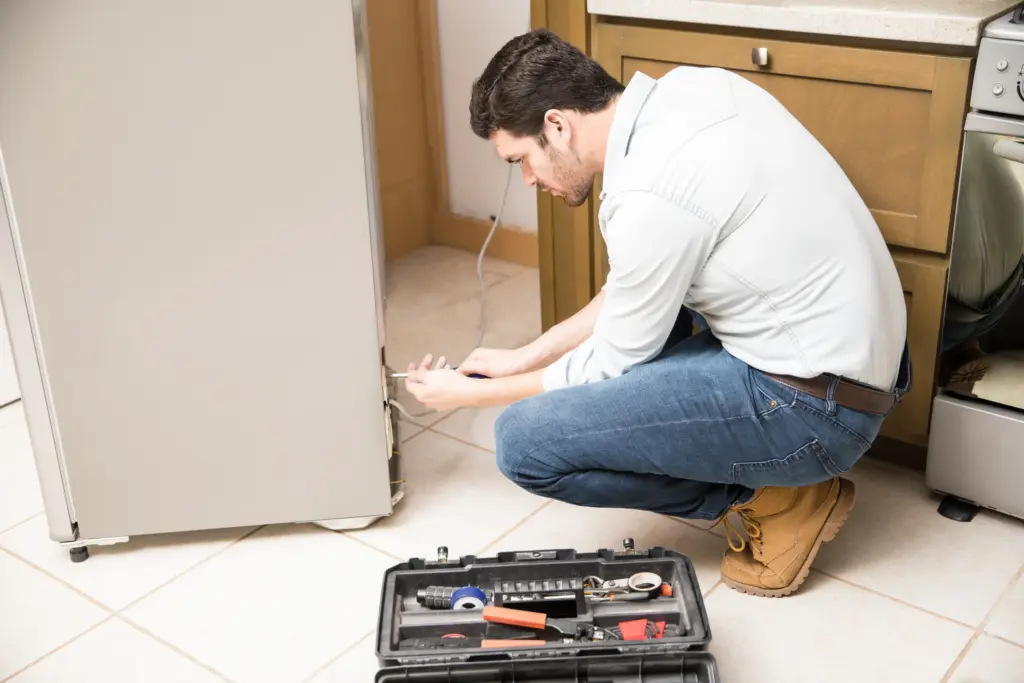
The first step in learning how to repair refrigerator issues is determining exactly what symptom the appliance is showing. A refrigerator that is not cooling requires a different approach than one that is leaking water or making unusual noises. Check whether the refrigerator compartment is warm, the freezer is building excessive frost, or the appliance is cycling constantly. Listen carefully for unusual sounds and inspect the interior for visible signs of trouble. Taking time to identify the specific problem prevents unnecessary repairs and helps narrow down the possible causes more quickly.
Many homeowners immediately assume the compressor has failed whenever cooling performance drops. In reality, simpler issues are often responsible. A blocked air vent, dirty condenser coil, or damaged door gasket can create symptoms that resemble major mechanical failures. Accurate diagnosis saves time and helps avoid spending money on parts that are not actually needed.
Check Temperature Settings And Airflow
Before performing any repairs, verify that the refrigerator temperature settings have not been changed accidentally. The refrigerator section should generally remain around 37°F while the freezer should stay close to 0°F. Incorrect settings can cause cooling problems even when all components are functioning normally. After confirming the settings, inspect the airflow inside the appliance. Overloaded shelves and blocked vents can prevent cold air from circulating properly.
Cold air moves between the freezer and refrigerator compartments through dedicated vents. When these vents become blocked by food containers or packaging, temperatures become inconsistent. Some areas may freeze while others become too warm. Rearranging items and improving airflow can often restore proper cooling without additional repairs. This simple step is often overlooked when homeowners research how to repair refrigerator problems.
Clean Dirty Condenser Coils
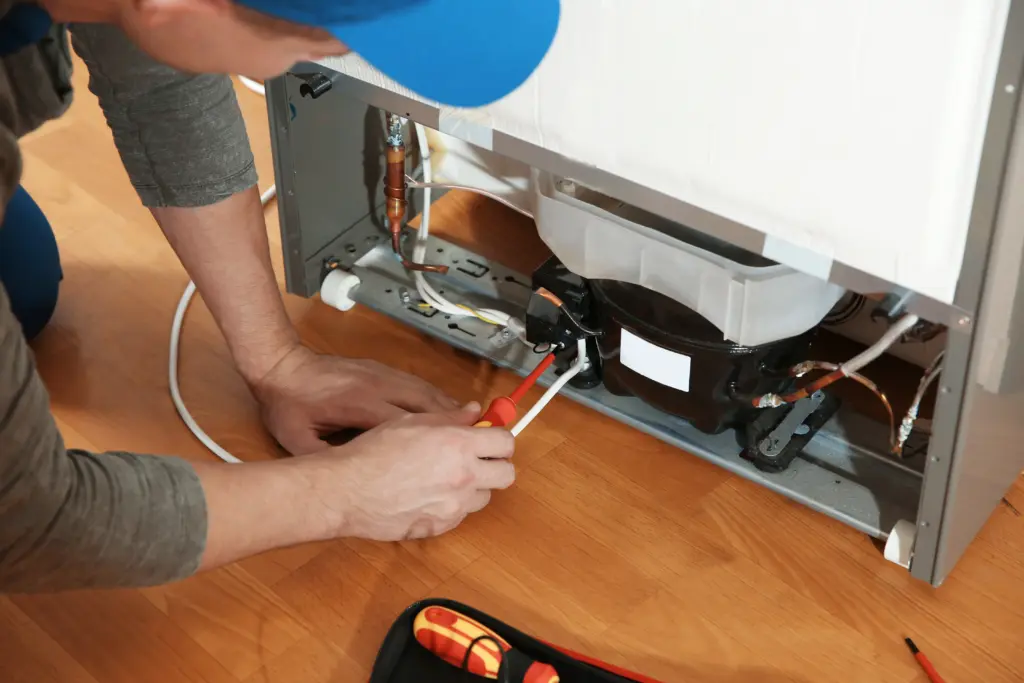
Condenser coils play a critical role in the refrigeration process by releasing heat removed from inside the appliance. These coils are commonly located behind the refrigerator or beneath it near the floor. Dust, pet hair, and household debris gradually collect on the coils and reduce their ability to release heat efficiently. As a result, the compressor works harder, cooling performance drops, and energy consumption increases.
Cleaning the coils is one of the easiest refrigerator maintenance tasks and can solve many cooling issues. Unplug the appliance and carefully vacuum the coils or use a coil cleaning brush to remove buildup. According to the U.S. Department of Energy, regular coil cleaning helps improve efficiency and extend refrigerator life. Many cooling complaints can be traced back to neglected condenser maintenance.
Inspect Door Gaskets And Seals
The door gasket creates an airtight seal that keeps cold air inside the refrigerator. If the gasket becomes cracked, loose, torn, or dirty, warm air enters the appliance and forces the cooling system to work harder. This often leads to higher energy bills, inconsistent temperatures, and excess frost buildup. Homeowners looking into how to repair refrigerator performance issues should always inspect the door seals carefully.
A simple way to test a gasket is to close the door on a piece of paper and gently pull. If the paper slides out easily, the seal may not be tight enough. Cleaning the gasket with warm water can sometimes restore proper sealing. If the gasket is damaged, replacing it is usually straightforward and can significantly improve cooling efficiency. Proper door sealing is one of the most important factors in refrigerator performance.
Listen For Fan And Compressor Problems
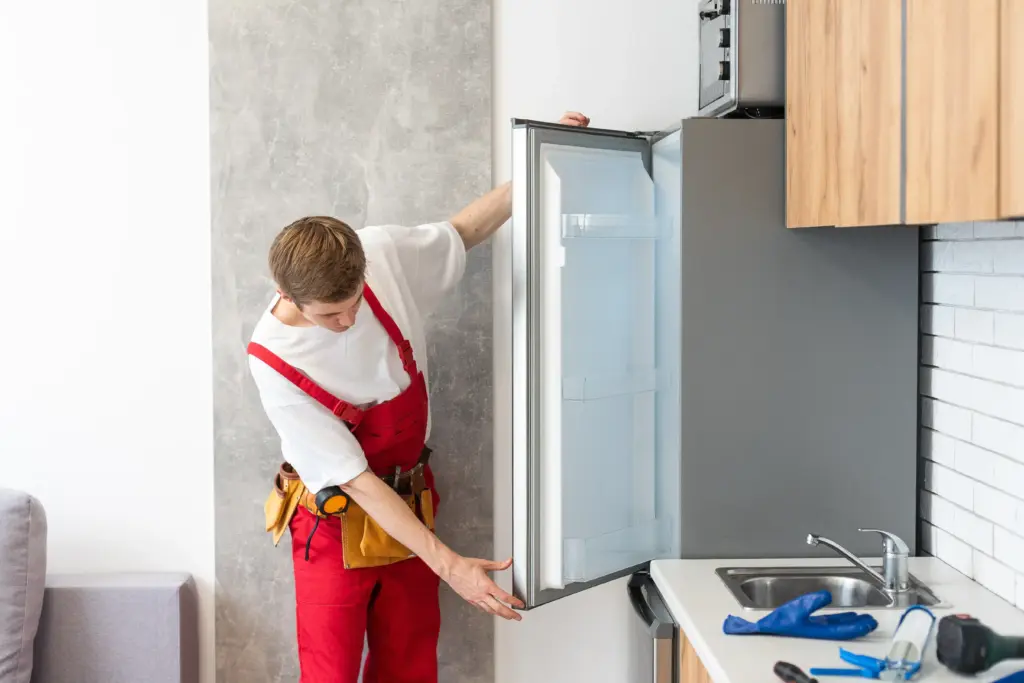
Refrigerators rely on multiple fans to circulate air and remove heat. The evaporator fan moves cold air through the appliance, while the condenser fan helps cool the compressor and condenser coils. If either fan fails, cooling performance suffers. Unusual noises such as rattling, squealing, or grinding often indicate fan problems.
The compressor is another critical component. Clicking sounds, constant running, or failure to start may indicate compressor or relay issues. While some fan repairs are manageable for experienced homeowners, compressor repairs typically require professional diagnosis. Homeowners who want additional information can review this guide on how to repair refrigerator compressor to better understand compressor-related problems. Recognizing these symptoms early can prevent more extensive damage and help homeowners understand how to repair refrigerator issues before they worsen.
Address Frost Buildup And Defrost Problems
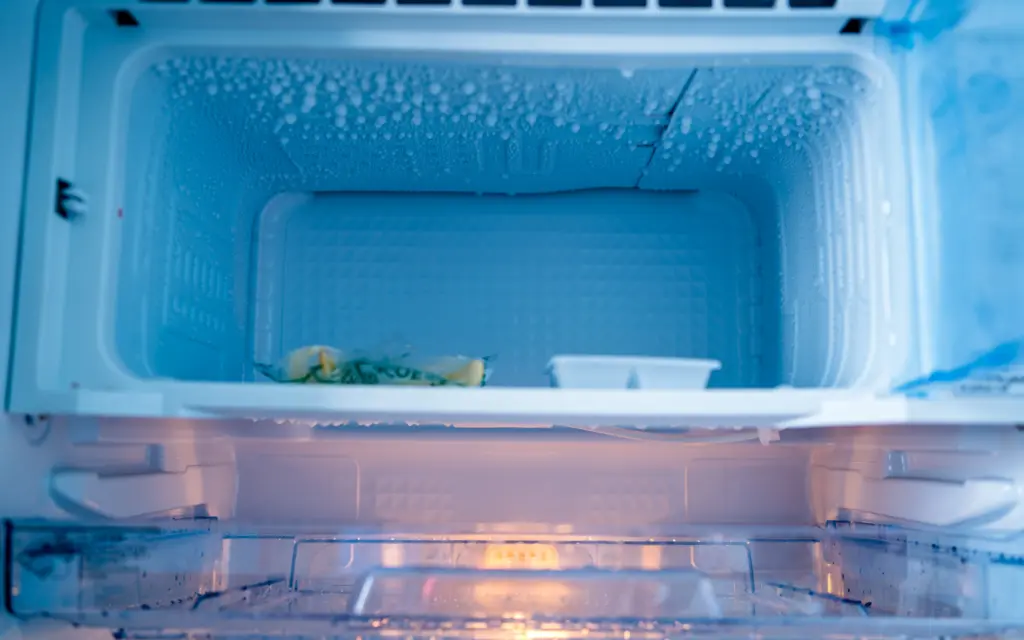
Excessive frost accumulation inside the freezer often indicates a problem with the automatic defrost system. Modern refrigerators periodically activate a defrost heater that melts frost from the evaporator coils. If the heater, defrost thermostat, or control board fails, frost continues building until airflow becomes restricted. This eventually causes both the freezer and refrigerator sections to warm up.
Visible frost covering vents or rear freezer panels is a common warning sign. Manually defrosting the refrigerator may provide temporary relief, but the underlying issue must be repaired to prevent recurrence. Understanding the defrost system is an important part of learning how to repair refrigerator cooling issues because frost buildup can mimic several other problems.

Repair Water Leaks And Drainage Issues
Water leaks are among the most common refrigerator complaints. In many cases, a clogged defrost drain is responsible. During normal operation, melted frost drains through a small tube into a collection pan beneath the appliance. If the drain becomes blocked by food particles or ice, water can overflow into the refrigerator compartment or onto the floor.
Inspecting and clearing the drain line often resolves the problem. A small amount of warm water can help melt obstructions and restore drainage. Homeowners should also check water supply lines connected to ice makers and water dispensers. Loose fittings or damaged tubing may create leaks that appear to originate from elsewhere in the appliance.
Prevent Future Refrigerator Problems
Regular maintenance is one of the most effective ways to avoid costly repairs. Cleaning condenser coils every six months, checking door seals, monitoring temperatures, and avoiding blocked vents all help maintain performance. Homeowners should also avoid overloading the refrigerator because excessive weight and restricted airflow place additional strain on the cooling system. Routine maintenance not only improves efficiency but also extends appliance lifespan. Preventive care is often easier and less expensive than major repairs after a breakdown occurs.
When Professional Refrigerator Repair Is Needed
Some refrigerator problems involve electrical systems, sealed refrigerant components, or complex mechanical failures that require professional service. If the refrigerator continues to struggle after basic troubleshooting, or if the compressor, control board, or refrigerant system appears to be involved, professional diagnosis is recommended. Attempting advanced repairs without proper tools and training can create additional problems and safety risks.
Homeowners in Northeast Ohio who need help diagnosing or repairing refrigerator problems can visit My Appliance Guy Refrigerator Service or call (440) 409-4541 for professional appliance repair. Experienced technicians can identify the source of the issue and recommend the most cost-effective solution.
Final Thoughts
Understanding how to repair refrigerator problems starts with identifying the symptoms and performing basic troubleshooting. Issues such as dirty condenser coils, faulty door gaskets, blocked airflow, frost buildup, and drainage problems are often responsible for poor performance. Addressing these issues early can restore cooling, improve efficiency, and extend appliance life. When more complex mechanical or electrical problems develop, professional service ensures the refrigerator continues operating safely and reliably.