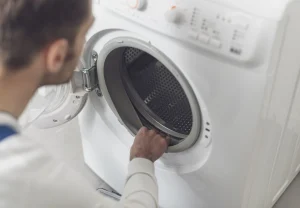
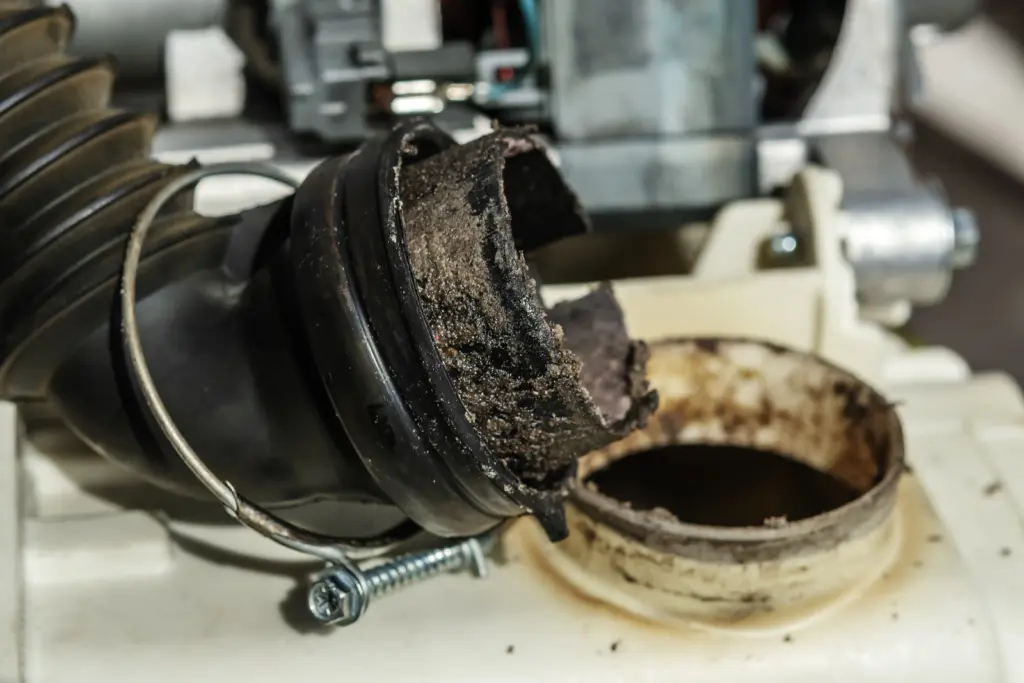
A clogged washing machine drain pipe can cause slow drainage, standing water, unpleasant odors, and even water backups in the laundry room. To answer how to clean clogged washing machine drain pipe issues, homeowners should identify the location of the blockage, inspect the drain hose and standpipe, remove debris, flush the line, and verify that water flows freely before running another wash cycle. Drain pipe clogs often develop gradually as detergent residue, lint, dirt, fabric fibers, and other debris accumulate inside the plumbing system.
Many people assume the washing machine itself is malfunctioning when water backs up during a cycle. In reality, the problem is often found in the drain pipe connected to the washer rather than the appliance itself. Understanding how the washing machine drainage system works can make it easier to locate and remove blockages before they cause water damage or expensive plumbing repairs.
Recognizing The Signs Of A Clogged Drain Pipe
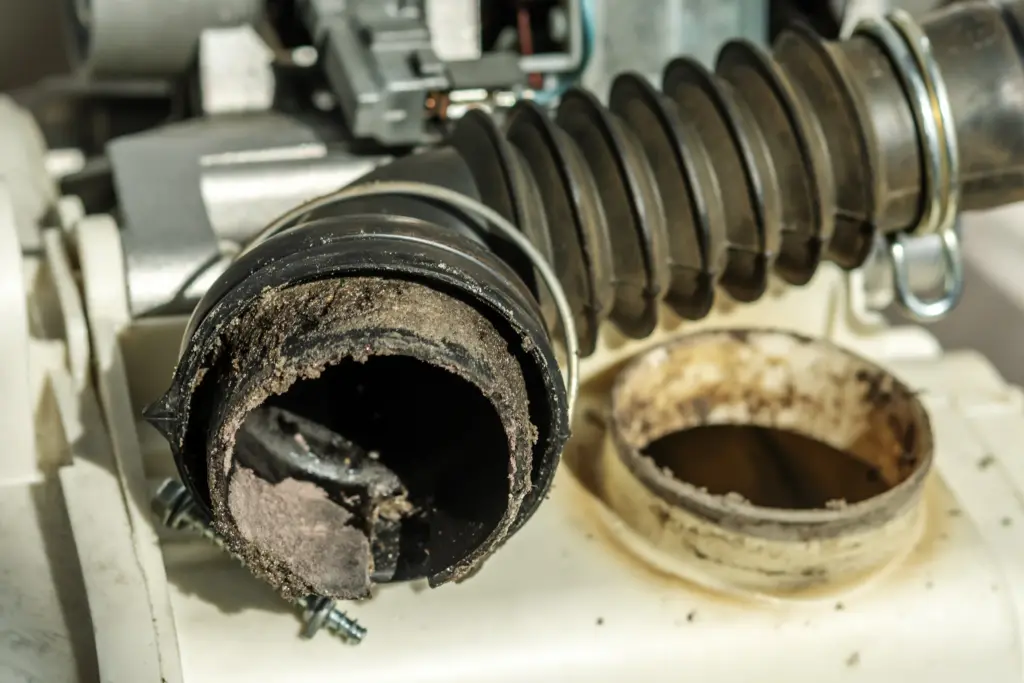
The first step in learning how to clean clogged washing machine drain pipe problems is recognizing the warning signs. One of the most common symptoms is water backing up from the standpipe while the washer drains. Homeowners may also notice slow drainage, gurgling sounds coming from nearby plumbing fixtures, unpleasant odors near the drain area, or water pooling around the washing machine after a cycle finishes. In more severe cases, wastewater may overflow from the standpipe and spread across the laundry room floor. These symptoms usually indicate that water is struggling to move through the drain line due to a partial or complete blockage.
Addressing these signs early can prevent larger plumbing issues. A small restriction may initially cause only slow drainage, but continued buildup can eventually block the pipe entirely and create significant water damage.
What Causes Drain Pipe Clogs
Several materials contribute to washing machine drain pipe blockages. Lint is one of the most common culprits because tiny fibers escape from clothing during wash cycles and gradually collect inside the plumbing. Detergent residue can also accumulate over time, especially when excessive amounts of soap are used regularly. Dirt, pet hair, fabric softener residue, and mineral deposits from hard water can combine with lint to form stubborn clogs.
Unlike kitchen drains, which often clog because of grease and food debris, laundry drain lines typically become restricted due to fabric-related materials. Because these substances accumulate slowly, homeowners may not notice a problem until drainage performance declines significantly. Understanding the source of the blockage helps determine the most effective cleaning approach.
Inspect The Drain Hose Before Cleaning The Pipe
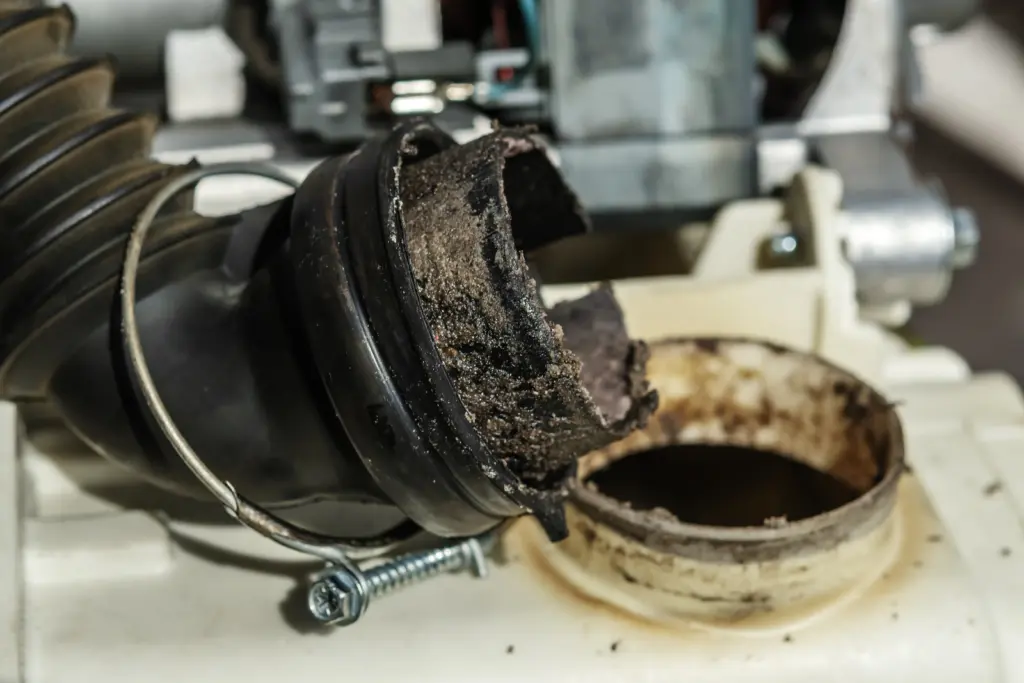
Before assuming the drain pipe is clogged, inspect the washing machine drain hose carefully. The hose carries wastewater from the appliance into the household drain system. If the hose becomes kinked, crushed, or partially blocked, it can create symptoms similar to a clogged drain pipe. Pull the washer away from the wall and examine the hose along its entire length.
Look for sharp bends, visible damage, or buildup inside the hose opening. Disconnecting the hose and flushing it with water can help determine whether the restriction is inside the hose or farther down the drain line. This simple inspection often saves time and helps narrow down the actual source of the drainage problem.
Removing Debris From The Standpipe
The standpipe is the vertical pipe where the washing machine drain hose empties wastewater. Because it serves as the connection point between the appliance and the home’s plumbing system, it is often one of the first areas where debris accumulates. Shine a flashlight into the standpipe and look for visible lint, residue, or obstructions near the opening.
If debris is accessible, remove it carefully using gloves or a suitable tool. Avoid forcing objects deeper into the pipe because this can make the blockage more difficult to remove. Clearing visible debris may restore proper drainage if the clog is located near the top of the standpipe.
Flushing The Drain Pipe Safely
Once obvious obstructions have been removed, flushing the drain pipe can help clear smaller accumulations further down the line. Hot water is often effective for loosening detergent residue and minor buildup. Slowly pouring water into the standpipe allows you to observe how quickly the drain accepts water. If the pipe drains slowly, a deeper blockage may still be present.
Some homeowners use a drain snake to break apart stubborn clogs. This tool can help remove lint and debris located farther inside the pipe. When using any cleaning method, avoid excessive force that could damage plumbing components. The goal is to restore normal flow without creating additional problems.
Preventing Future Washing Machine Drain Clogs
Preventive maintenance is the best defense against recurring drain pipe issues. Using the correct amount of detergent helps reduce soap residue inside plumbing lines. Periodically inspecting the drain hose and standpipe can identify small accumulations before they become major blockages. Some homeowners also install lint-catching devices designed to reduce the amount of fabric debris entering the drain system.
The Environmental Protection Agency’s WaterSense program emphasizes efficient water use and proper maintenance of household plumbing systems. Small maintenance habits performed consistently can significantly reduce the likelihood of future drainage problems while improving overall laundry room performance.
Protecting Other Laundry Appliances From Related Issues
Drainage problems often affect the entire laundry room environment. Water backups, excess humidity, and poor maintenance can contribute to problems with nearby appliances as well. A laundry room that experiences repeated drainage issues may also place additional strain on dryers due to increased moisture levels and poor airflow conditions.
Homeowners who are experiencing multiple laundry appliance concerns can review how fix dryer to learn about common dryer performance issues and repair options. Maintaining both the washer and dryer helps improve efficiency while reducing the likelihood of unexpected breakdowns.
When Professional Service Becomes Necessary
Some drain pipe clogs are too severe to remove using basic cleaning methods. If water continues backing up after flushing the line, removing visible debris, and inspecting the hose, the blockage may be deeper within the plumbing system. Tree roots, heavy buildup, or plumbing defects can create restrictions that require specialized equipment to diagnose and remove.
Professional service may also be necessary when recurring clogs develop despite regular maintenance. Repeated drainage problems often indicate a larger issue that needs to be addressed rather than simply cleaned. Early professional intervention can help prevent water damage and protect both appliances and plumbing components.
Final Thoughts
Learning how to clean clogged washing machine drain pipe blockages starts with identifying the symptoms, inspecting the drain hose, clearing the standpipe, and removing debris that restricts water flow. Regular maintenance can prevent many drainage issues before they become serious problems. Homeowners throughout Northeast Ohio who need appliance service or laundry room troubleshooting can visit My Appliance Guy or call (440) 409-4541 for professional assistance and reliable repair solutions.