Finding a puddle beneath your refrigerator is never something to ignore. To answer why is my fridge leaking water, the most common causes include a clogged defrost drain, a blocked drain tube, a damaged water supply line, excessive condensation, a cracked drain pan, or worn door seals that allow warm air into the refrigerator. Some leaks are simple maintenance issues that homeowners can resolve themselves, while others point to cooling or plumbing problems that require professional attention. Identifying the source of the leak early helps prevent damage to your flooring, reduces the risk of mold growth, and keeps your refrigerator operating efficiently.
Modern refrigerators constantly manage moisture as part of the cooling process. During automatic defrost cycles, frost melts into water and travels through a drainage system before evaporating underneath the appliance. When that drainage path becomes blocked or another component fails, water begins collecting where it should not. Although a leak may seem like a small inconvenience, it often serves as an early warning that the refrigerator needs maintenance. Understanding why refrigerators leak and knowing what to inspect first can save homeowners both time and expensive repair costs.

A Clogged Defrost Drain Is The Most Common Cause
The most frequent answer to why is my fridge leaking water is a clogged defrost drain. Every modern frost-free refrigerator includes an automatic defrost system that melts frost from the evaporator coils several times each day. The melted water should flow through a small drain opening, travel down a drain tube, and collect inside a drain pan beneath the refrigerator where it gradually evaporates. When food particles, dust, ice, or mineral deposits block the drain opening, the water has nowhere to go. Instead, it backs up into the refrigerator compartment or freezer before eventually leaking onto the kitchen floor.
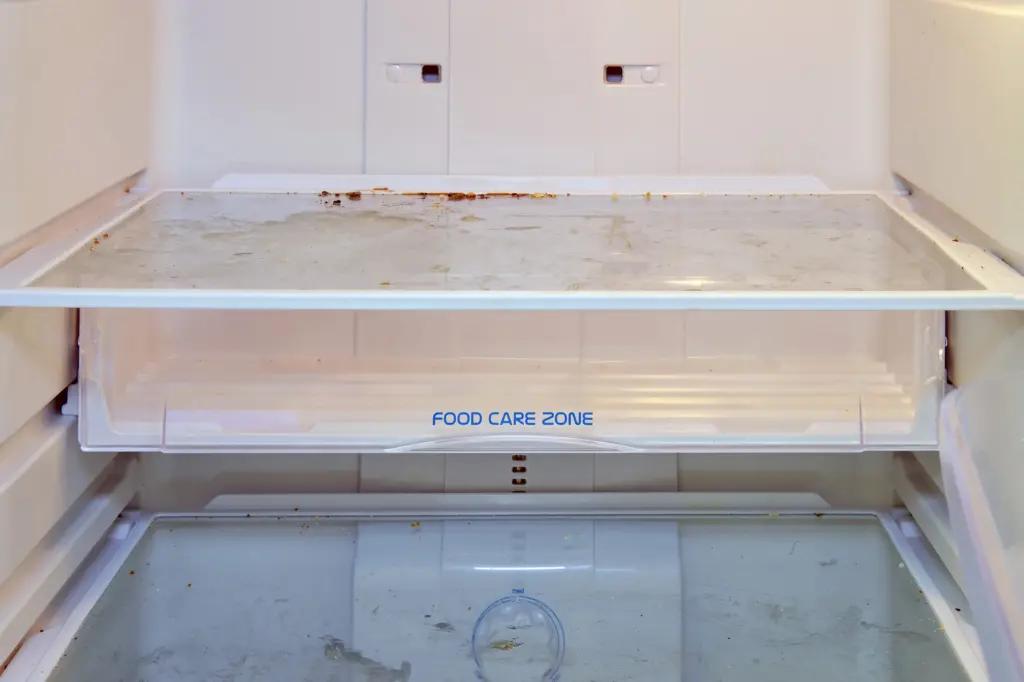
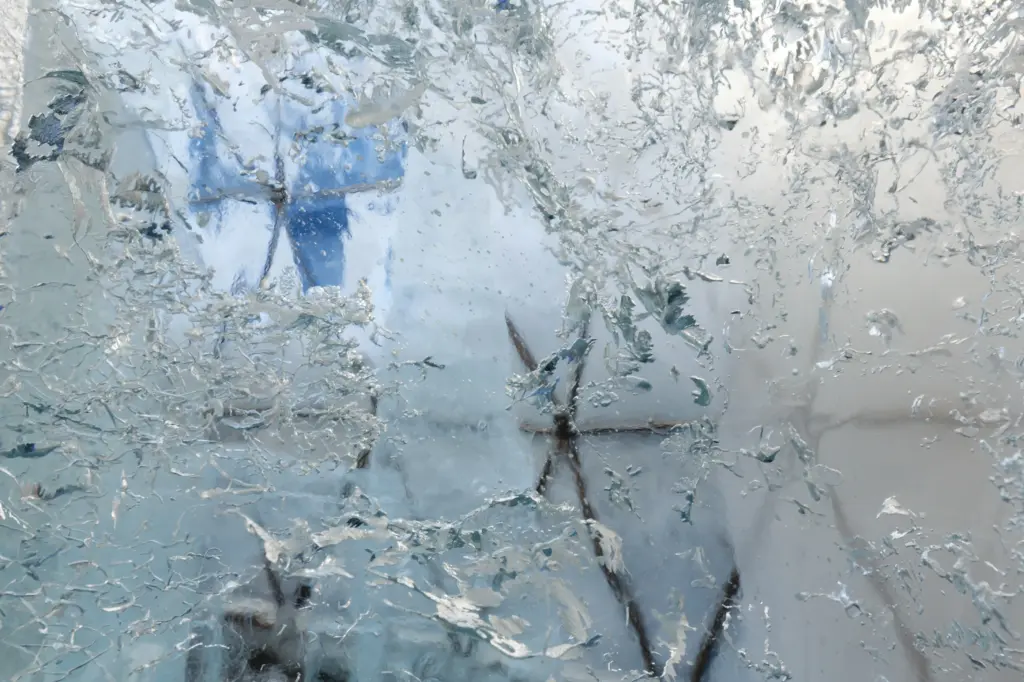
Many homeowners first notice water collecting beneath the crisper drawers or forming thin sheets of ice inside the freezer. Others discover puddles beneath the front of the appliance without realizing the blockage actually began inside the refrigerator. The clog often develops slowly over several months as small amounts of debris accumulate with each defrost cycle. Cleaning the drain opening and restoring proper water flow is usually enough to eliminate the leak completely. However, if the drain freezes repeatedly, there may be a deeper issue affecting airflow or the defrost system that requires additional inspection.
Problems With The Drain Tube And Drain Pan
Even if the defrost drain itself is clear, the drain tube beneath it can still become partially blocked. The drain tube carries water from the refrigerator compartment to the drain pan underneath the appliance. Dust, mold, algae, mineral deposits, or even insects can restrict the tube over time, causing water to overflow before reaching the collection pan. Because most drain tubes are hidden behind rear panels, many homeowners are unaware they even exist until a leak develops.
The drain pan should also be inspected whenever water appears beneath a refrigerator. This pan is designed to collect water during defrost cycles so it can evaporate naturally. Although the pan is durable, it can become cracked after years of use or during appliance movement. A damaged pan allows water to drip directly onto the floor even when the rest of the drainage system is functioning correctly. Cleaning the drain tube and examining the pan together provides a more complete diagnosis than checking only one component. These inspections are especially worthwhile if the refrigerator has recently been moved, cleaned, or relocated during a kitchen renovation.
Leaking Water Supply Lines Behind The Refrigerator
Refrigerators equipped with automatic ice makers or built-in water dispensers depend on a dedicated water supply line connected to the home’s plumbing system. These lines remain under pressure continuously, meaning even a tiny crack or loose fitting can release water around the clock. Unlike defrost drain leaks that usually appear after cooling cycles, water supply leaks may continue regardless of whether the refrigerator is actively running.
Homeowners should carefully pull the refrigerator away from the wall and inspect the water line, compression fittings, and shutoff valve. Moisture, corrosion, or mineral deposits around fittings often indicate a slow leak that has existed for some time. Plastic tubing used in older installations may become brittle with age, while copper or braided stainless-steel lines generally last much longer. Replacing damaged supply tubing is usually straightforward and can prevent significant water damage. Since these leaks occur behind the refrigerator, they often remain hidden until flooring begins to warp or mold develops behind the appliance.
Cooling Problems Can Lead To Water Leaks
Sometimes the answer to why is my fridge leaking water has less to do with drainage and more to do with cooling performance. A refrigerator that cannot maintain consistent temperatures may produce excessive frost on the evaporator coils. During defrost cycles, that extra frost melts into larger amounts of water than the drainage system normally handles. Weak evaporator fans, restricted airflow, dirty condenser coils, or thermostat problems can all contribute to abnormal frost formation.
Homeowners who notice both water leaks and inconsistent cooling should investigate the appliance’s cooling performance instead of focusing only on the visible water. Warm food, longer compressor run times, excessive frost, and fluctuating temperatures often appear alongside drainage issues because both systems work together. Understanding these warning signs makes troubleshooting much easier. If your refrigerator is also struggling to stay cold, this guide explaining why refrigerator not cooling provides additional information about cooling problems that may contribute to moisture buildup and recurring leaks.
Damaged Door Seals And Excess Condensation
Refrigerator door gaskets play a much bigger role than many homeowners realize. These flexible rubber seals create an airtight barrier that keeps cold air inside while preventing warm, humid air from entering. When a gasket becomes cracked, loose, dirty, or worn, outside air continually enters the refrigerator. That warm air contains moisture, which condenses when it meets the cold interior surfaces. Over time, the excess moisture can collect beneath drawers, drip onto shelves, or eventually leak onto the floor. The refrigerator also has to work harder to maintain its temperature, increasing energy consumption and placing additional strain on the compressor. This combination of moisture and longer cooling cycles often causes homeowners to believe they have a plumbing issue when the real problem is simply a failing door seal.
Inspecting the gasket is simple and only takes a few minutes. Look carefully for cracks, tears, hardened rubber, or areas where the seal has pulled away from the door frame. Dirt and food residue trapped on the gasket can also prevent a proper seal, so cleaning it regularly with warm water and mild dish soap is recommended. A simple paper test can also help identify worn seals. Close the refrigerator door on a piece of paper and gently pull it outward. If the paper slides out with little resistance, the gasket may no longer be sealing correctly. Replacing worn door seals promptly can improve cooling performance while eliminating unnecessary condensation that contributes to refrigerator leaks.
Improper Temperature Settings And Everyday Habits
Sometimes the reason homeowners ask why is my fridge leaking water is not because something is broken, but because of everyday habits that increase moisture inside the appliance. Setting the refrigerator temperature too warm forces the cooling system to work longer, while opening the door repeatedly throughout the day allows humid air to enter. Storing hot leftovers before they cool completely also introduces additional moisture that eventually condenses on interior surfaces. Even overfilling shelves can restrict airflow, creating cold and warm zones where condensation develops more easily.
Keeping the refrigerator at approximately 37°F and the freezer at 0°F provides the best balance between food safety and efficient operation. Allowing enough space between food containers helps cold air circulate properly throughout the cabinet. Checking that doors close completely after each use is equally important because a door left slightly open for several hours can introduce enough humidity to create noticeable water accumulation. These simple adjustments often reduce moisture problems without requiring any replacement parts or complicated repairs.
Regular Maintenance Helps Prevent Future Leaks
The best way to avoid recurring refrigerator leaks is through consistent preventive maintenance. Cleaning condenser coils every six months helps the refrigerator cool more efficiently, while inspecting the drain opening and drain tube prevents debris from accumulating unnoticed. Water supply connections should also be checked periodically for corrosion or slow leaks, especially on refrigerators equipped with ice makers or water dispensers. Small maintenance tasks like wiping door gaskets, cleaning spills promptly, and replacing water filters according to manufacturer recommendations contribute to better overall appliance performance.
Food safety and refrigerator maintenance go hand in hand because temperature fluctuations caused by cooling problems can shorten the life of perishable foods. The U.S. Food and Drug Administration provides practical guidance on safe food storage temperatures and refrigerator maintenance through FDA.gov. Homeowners can also learn about energy-efficient refrigerator operation through the ENERGY STAR Refrigerator Program, which explains how proper maintenance helps improve appliance efficiency and longevity.
When A Refrigerator Leak Requires Professional Diagnosis
Although many refrigerator leaks can be traced to clogged drains or worn seals, not every problem has an obvious solution. Hidden leaks inside the cabinet, damaged evaporator components, cooling system failures, cracked internal water reservoirs, or defective ice maker assemblies often require specialized tools to diagnose correctly. Continuing to operate the refrigerator while water collects beneath it can eventually damage hardwood flooring, laminate, cabinetry, or even the subfloor beneath the appliance. Moisture that remains hidden for long periods may also encourage mold growth, creating additional cleanup and repair costs.
Professional diagnosis becomes especially valuable when cleaning the drain, inspecting the water line, and checking the door gasket fail to solve the problem. A trained technician can identify the exact source of the leak without unnecessary part replacement and verify that the refrigerator is cooling properly at the same time. Addressing the root cause instead of treating only the visible symptoms often saves homeowners money and helps extend the life of the appliance.
Final Thoughts
Refrigerator leaks rarely disappear on their own, and even a small amount of water can lead to larger problems if left unattended. Whether the cause is a clogged defrost drain, a leaking water line, excessive condensation, or a cooling issue, identifying the source early helps protect both your appliance and your home. Homeowners throughout Northeast Ohio who need expert refrigerator diagnosis or repair can rely on My Appliance Guy for dependable service or call at (440) 409-4541 to schedule an inspection and restore your refrigerator’s performance before a minor leak becomes a costly repair.