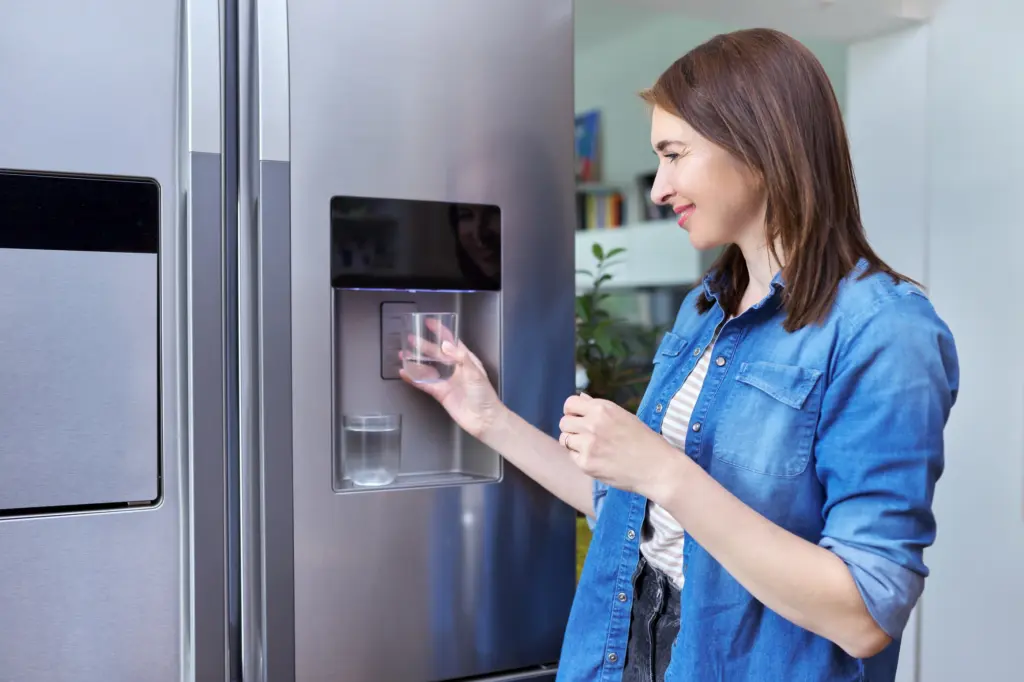
A refrigerator water dispenser provides convenient access to drinking water, but it can easily collect bacteria, mold, and mineral buildup over time if not maintained properly. To answer how to clean refrigerator water dispenser, you need to clean the nozzle, flush the internal water lines, sanitize with a vinegar solution, and replace the filter regularly to ensure safe and fresh water. Many homeowners assume that because the water is filtered, the system stays clean, but internal moisture and residue can build up slowly without being visible.
The water dispenser system includes small tubes, valves, and a nozzle that stay damp between uses. This creates an environment where buildup can form if not cleaned regularly. Ignoring this part of the refrigerator can lead to unpleasant taste, odors, and even reduced water flow. Learning how to clean refrigerator water dispenser systems properly helps maintain both hygiene and appliance performance over time.
Why Cleaning The Water Dispenser Is Important
Cleaning the water dispenser is important because it directly affects the quality of the water you drink every day. Over time, minerals from water and small particles from the filtration process can accumulate inside the system. Even clean water sources can leave residue behind, especially in areas where water sits for long periods. Bacteria and mold may develop in hidden areas if the dispenser is not cleaned regularly. This can lead to changes in taste and potential health concerns. Regular cleaning helps ensure that water remains safe, fresh, and free from contamination while also keeping the dispenser working efficiently.
Signs The Water Dispenser Needs Cleaning
There are several clear signs that indicate when it is time to clean the dispenser. One of the most noticeable is a change in water taste, which may become metallic, stale, or slightly sour. Another common sign is a slow or reduced water flow, which often indicates buildup inside the lines or filter. Homeowners may also notice visible residue around the nozzle or drip tray. In some cases, water may appear cloudy or leave a film on glass surfaces. These signs should not be ignored because they indicate that the system needs immediate cleaning to restore proper performance.

Supplies Needed For Safe Cleaning
Cleaning a refrigerator water dispenser can be done using simple household items without the need for specialized tools. White vinegar is one of the most effective cleaning agents because it breaks down mineral deposits and helps eliminate bacteria. Warm water is used to dilute the vinegar and rinse the system after cleaning. A soft cloth or sponge works well for wiping surfaces, while a small brush or toothbrush can help clean tight spaces around the nozzle. Using safe and non toxic cleaning materials is important because the dispenser is connected directly to drinking water.
How To Clean The Dispenser Nozzle And Exterior
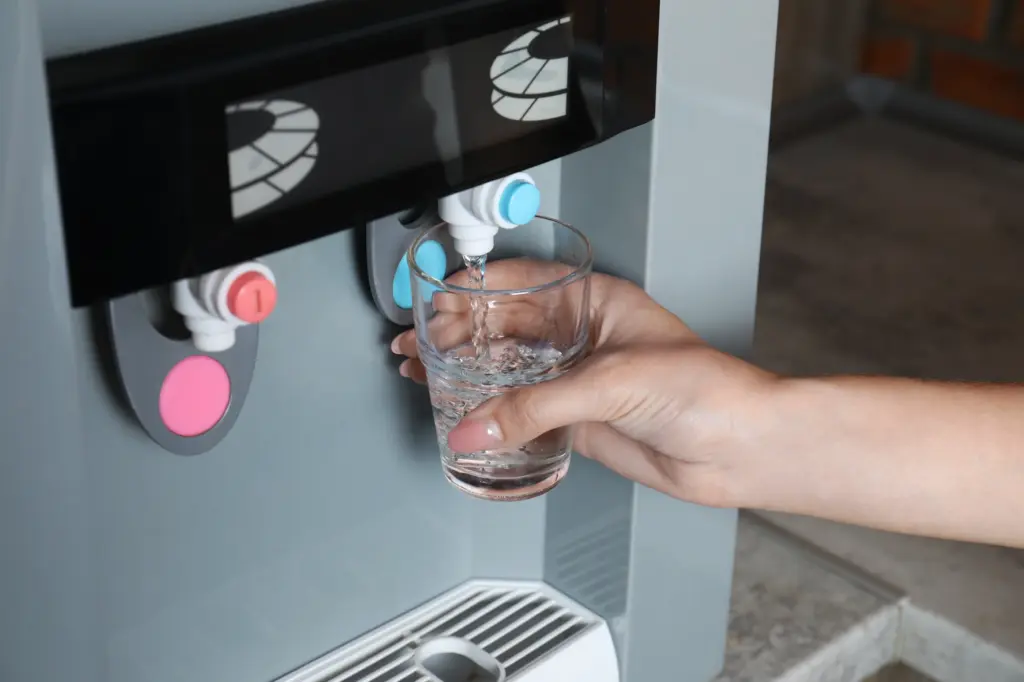
The nozzle is the part of the dispenser that comes into direct contact with cups and hands, making it one of the most important areas to clean. To begin, dip a cloth or brush into a mixture of vinegar and warm water and gently scrub the nozzle and surrounding area. Pay attention to small crevices where residue may collect. Wipe the surface thoroughly and remove any buildup that has formed. After cleaning, use a clean cloth to dry the area. Regular cleaning of the nozzle helps prevent bacteria buildup and keeps the dispenser hygienic for everyday use.
Flushing And Cleaning The Internal Water Lines
Flushing the internal water lines is a key step when learning how to clean refrigerator water dispenser systems. After cleaning the external parts, run several glasses of water through the dispenser to remove any loose debris. For deeper cleaning, some homeowners use a diluted vinegar solution to sanitize the internal lines, followed by multiple rinses with fresh water. This process helps remove buildup that cannot be seen from the outside. Flushing ensures that the water flowing through the system remains clean and free from any lingering residue.
Replacing The Water Filter On Schedule
The water filter plays an important role in keeping the dispenser clean and effective. Over time, filters become clogged with contaminants and lose their ability to remove impurities. Most manufacturers recommend replacing the filter every six months, although this may vary depending on usage and water quality. A dirty filter can affect both water taste and flow while allowing buildup inside the system. Replacing the filter regularly is one of the most important steps in maintaining a clean and efficient water dispenser.
How To Prevent Future Buildup
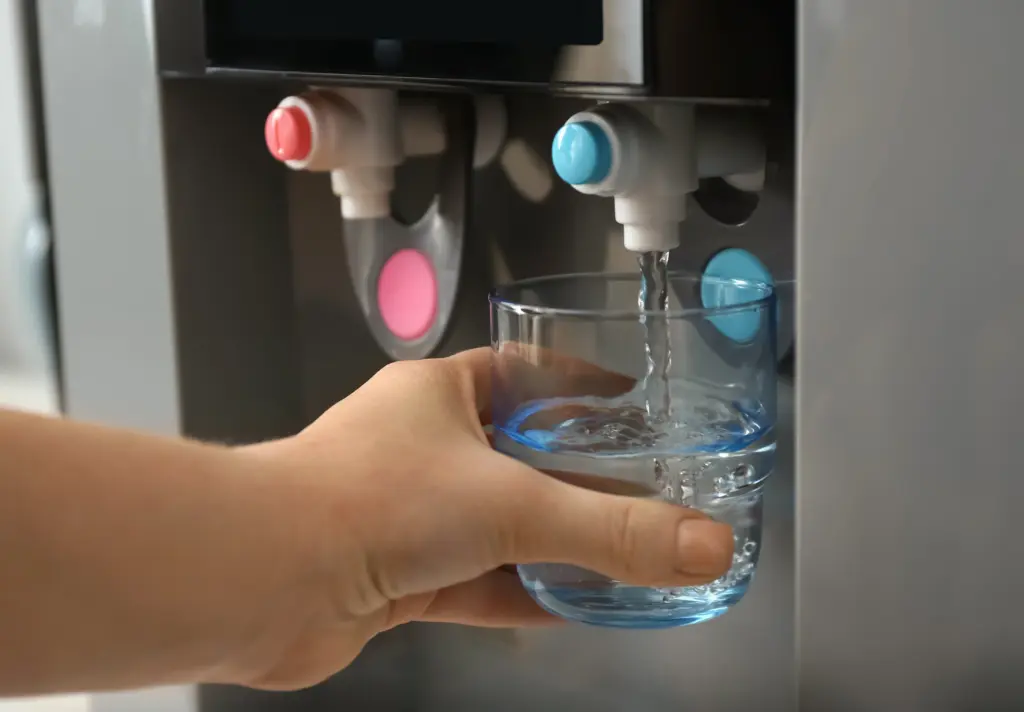
Preventing buildup is easier than removing it once it becomes severe. Cleaning the nozzle regularly, flushing the system occasionally, and replacing filters on time all help maintain a clean dispenser. According to the Centers for Disease Control and Prevention, maintaining household water systems is important for ensuring safe drinking water. Simple habits such as wiping down the dispenser area and monitoring water quality can make a significant difference in long term performance.
When Professional Refrigerator Service Is Needed
If cleaning does not improve water quality or flow, there may be a deeper issue within the system. Internal tubing, valves, or reservoirs can develop problems that require professional tools to diagnose and repair. Persistent odors, unusual taste, or low water pressure may indicate that the system needs professional attention. Homeowners in Northeast Ohio can visit My Appliance Guy Refrigerator Service or call (440) 409-4541 for professional inspection and repair.
Final Thoughts
Understanding how to clean refrigerator water dispenser systems helps maintain safe drinking water and improve appliance performance. Regular cleaning, proper flushing, and timely filter replacement prevent buildup and ensure consistent operation. By following these steps, homeowners can keep their water dispenser clean, extend the life of their refrigerator, and enjoy fresh water every day without concern.