
A dishwasher is designed to clean dishes, but it also needs regular cleaning to work properly and avoid odors. To answer how to clean dishwasher, you should remove debris, clean the filter, wipe the interior, run a cleaning cycle with vinegar, and maintain it regularly to keep it efficient and fresh. Over time, grease, food particles, soap residue, and mineral deposits build up inside the appliance, which can affect performance and leave dishes less clean.
Many homeowners assume dishwashers clean themselves during cycles, but that is not the case. The appliance continuously collects residue from dirty dishes, and without proper maintenance, this buildup can lead to unpleasant smells, clogged parts, and reduced cleaning power. Understanding how to clean dishwasher systems correctly helps maintain hygiene and extend the life of the appliance.

Why Cleaning Your Dishwasher Is Important
Dishwashers handle grease, food waste, and soap during every cycle, which means residue gradually accumulates inside the appliance. Over time, this buildup can clog spray arms, block filters, and create an environment for bacteria growth. A dirty dishwasher may leave spots on dishes, produce unpleasant odors, and even reduce water drainage efficiency. Regular cleaning prevents these issues and ensures the appliance continues to clean dishes effectively. Keeping the dishwasher clean also helps maintain proper water flow and prevents long term damage to internal components.
Signs Your Dishwasher Needs Cleaning
There are several warning signs that indicate it is time to clean your dishwasher. A bad smell coming from the appliance is one of the most common indicators. Dishes may come out with residue, spots, or a greasy film even after a full wash cycle. Water pooling at the bottom of the dishwasher can also signal a clogged filter or drainage issue. In some cases, visible buildup may appear around the door seal or spray arms. Recognizing these signs early helps prevent more serious problems and keeps the appliance running efficiently.
Supplies Needed To Clean Dishwasher
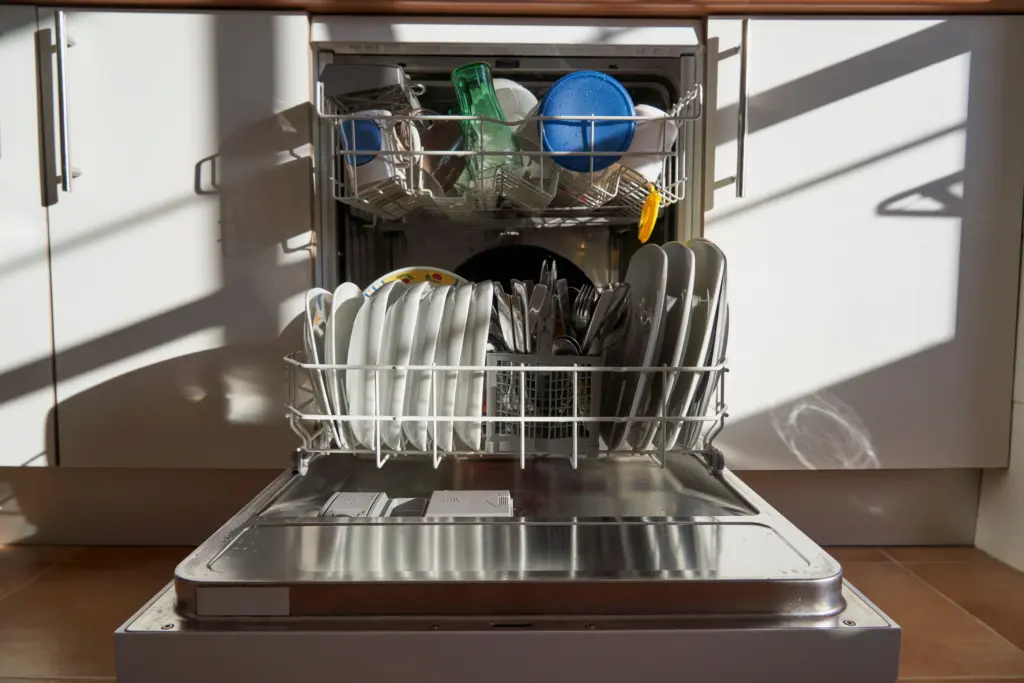
Cleaning a dishwasher does not require complicated tools or expensive products. Most homeowners can complete the process using white vinegar, baking soda, a soft cloth, and a small brush. Vinegar is effective for breaking down grease and mineral deposits, while baking soda helps remove odors and freshen the interior. A brush is useful for cleaning tight areas such as spray arm holes and filter components. Using simple and safe cleaning materials ensures the dishwasher remains free from harmful residue.
How To Clean Dishwasher Interior Surfaces
The interior of the dishwasher should be wiped down regularly to remove grease and buildup. Start by removing the racks to access all surfaces inside the appliance. Use a cloth soaked in warm water and vinegar to wipe the walls, door, and bottom of the dishwasher. Pay special attention to corners and edges where residue may collect. Cleaning the interior helps prevent odor buildup and ensures water flows freely during wash cycles. This step is essential for maintaining a clean and hygienic appliance.
Cleaning The Dishwasher Filter Properly
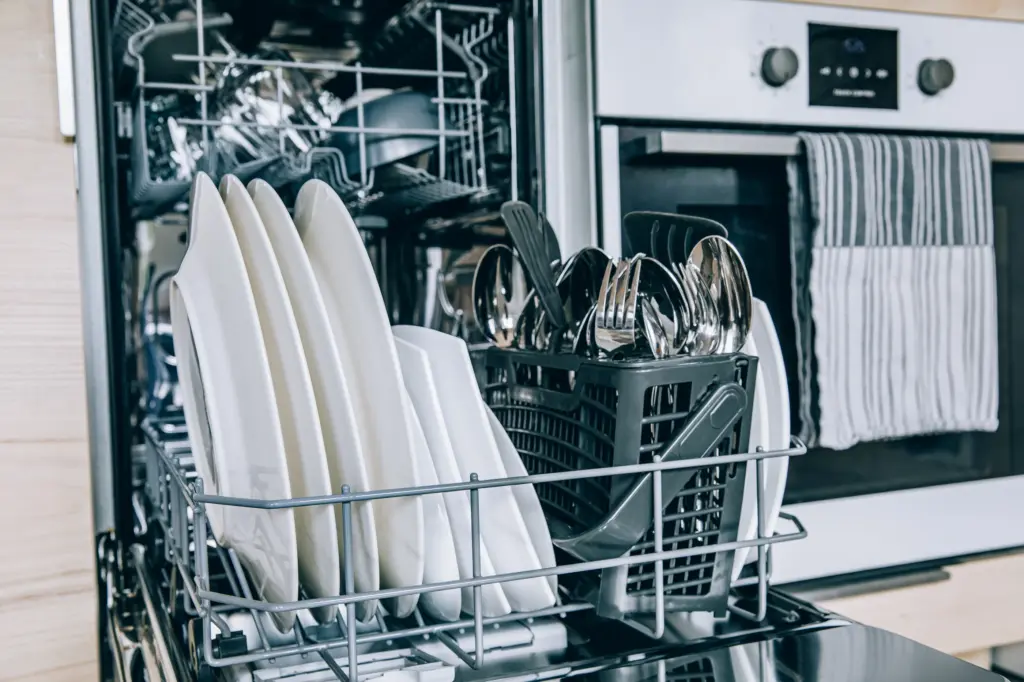
The filter is one of the most important parts of the dishwasher because it traps food particles and debris during wash cycles. Over time, the filter can become clogged, which reduces cleaning performance and may cause drainage problems. To clean it, remove the filter according to the manufacturer’s instructions and rinse it under warm water. Use a soft brush to remove stubborn debris. Cleaning the filter regularly is a key step in learning how to clean dishwasher systems effectively and maintaining strong performance.
Running A Cleaning Cycle With Vinegar
Running a cleaning cycle with vinegar is one of the most effective ways to remove buildup inside the dishwasher. Place a cup of white vinegar in a dishwasher safe container on the top rack and run a hot water cycle without dishes. The vinegar helps break down grease, soap residue, and mineral deposits throughout the appliance. According to the Environmental Protection Agency, using simple cleaning solutions like vinegar can be effective for maintaining household appliances without harsh chemicals. This process should be done regularly to keep the dishwasher clean.
Using Baking Soda To Remove Odors
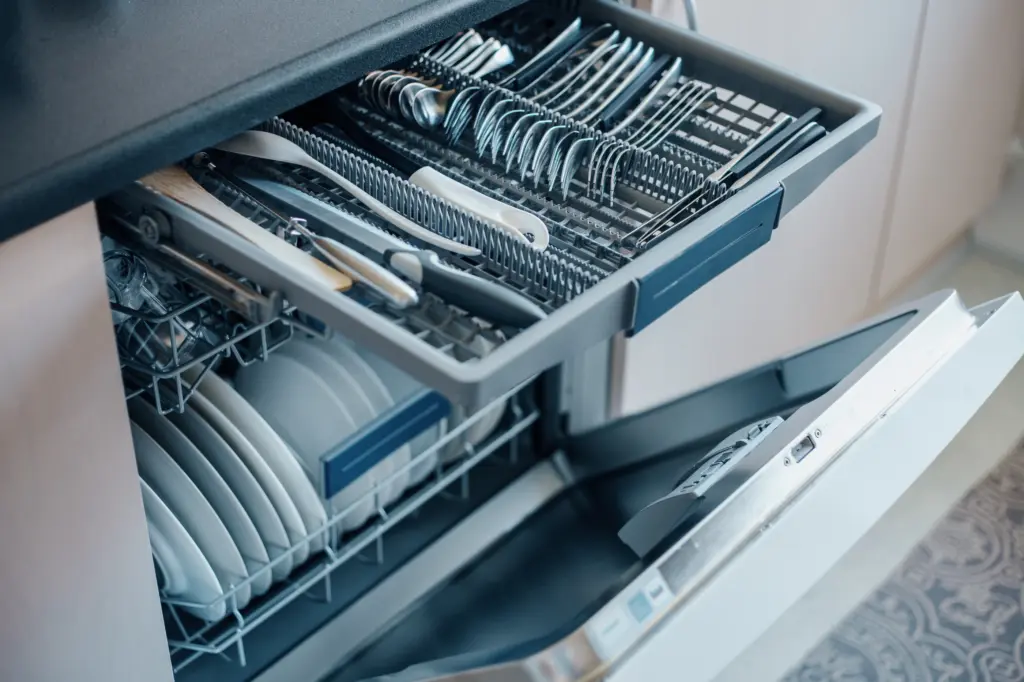
After running a vinegar cycle, baking soda can be used to eliminate any remaining odors and freshen the dishwasher. Sprinkle a small amount of baking soda on the bottom of the appliance and run a short hot water cycle. Baking soda neutralizes odors and helps remove stains from the interior. This step enhances the overall cleaning process and leaves the dishwasher smelling clean and fresh.
Preventing Future Dishwasher Buildup
Preventing buildup is easier than deep cleaning a heavily soiled dishwasher. Scraping food off dishes before loading them, running regular cleaning cycles, and cleaning the filter frequently all help maintain performance. Avoid using excessive detergent, as this can leave residue inside the appliance. According to the U.S. Department of Energy, proper dishwasher use and maintenance improve efficiency and extend appliance lifespan. Simple habits can significantly reduce the need for frequent deep cleaning.
When Professional Dishwasher Service Is Needed
If the dishwasher continues to have drainage issues, poor cleaning performance, or unusual noises after cleaning, there may be a deeper mechanical problem. Issues with pumps, motors, or internal components require professional diagnosis and repair. Homeowners in Northeast Ohio can visit My Appliance Guy Dishwasher Repair or call (440) 409-4541 for professional inspection and service.
Final Thoughts
Learning how to clean dishwasher systems properly helps maintain clean dishes, prevent odors, and extend the life of the appliance. Regular cleaning, proper filter maintenance, and occasional deep cleaning cycles keep the dishwasher working efficiently. With simple maintenance habits, homeowners can ensure their dishwasher continues to deliver strong cleaning performance for years to come.