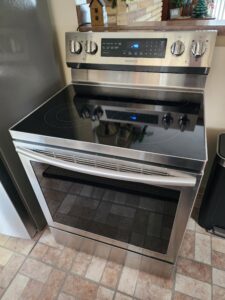
Appliances play a central role in everyday life, from storing food to cooking meals and cleaning clothes. Many people want to know where the appliances in their kitchen and laundry room are manufactured. The answer to what appliances are made in the USA is that several major household appliances including refrigerators, ovens, dishwashers, washing machines, and dryers are still assembled in American factories, although some components may come from international suppliers. Domestic appliance manufacturing remains an important part of the American economy and continues to support thousands of manufacturing jobs.
Over the past several decades, global supply chains have influenced how appliances are produced. While some smaller electronics and components may be manufactured overseas, many large appliances continue to be assembled in the United States due to shipping costs, quality control requirements, and strong consumer demand for domestically produced products. Understanding how appliance manufacturing works today provides a clearer picture of what appliances are made in the USA and why many manufacturers continue to maintain production facilities in the country.
How Appliance Manufacturing Works Today
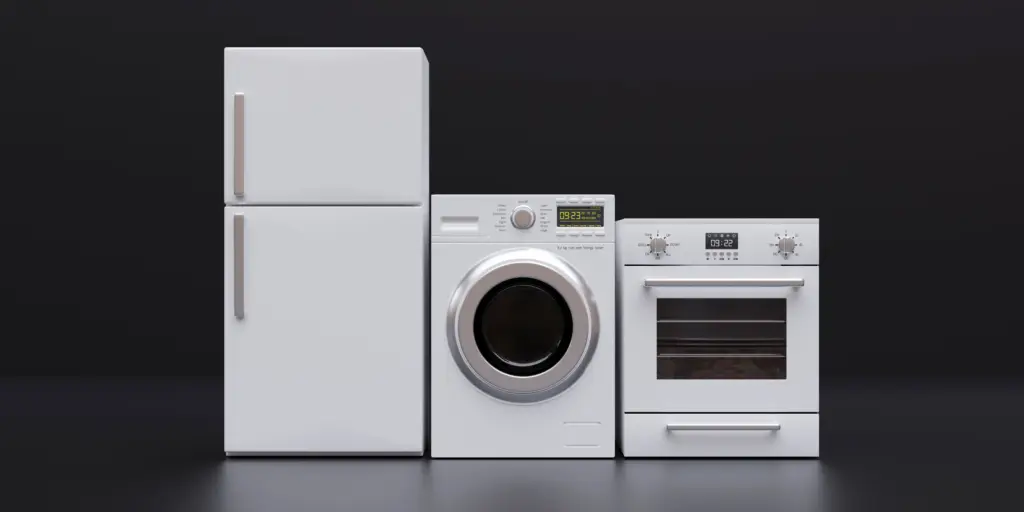
Modern appliance manufacturing often involves a combination of domestic production and global sourcing. Even when a product carries a label indicating it was made in the United States, certain components such as electronic controls, sensors, or motors may originate from international suppliers. However, final assembly, testing, and quality inspection frequently occur inside American factories. Large appliances like refrigerators, washers, and ovens are often assembled domestically because transporting them long distances is expensive and inefficient. By assembling appliances closer to where they will be sold, manufacturers can control costs and maintain consistent quality standards.
Major Appliances Still Produced In The United States
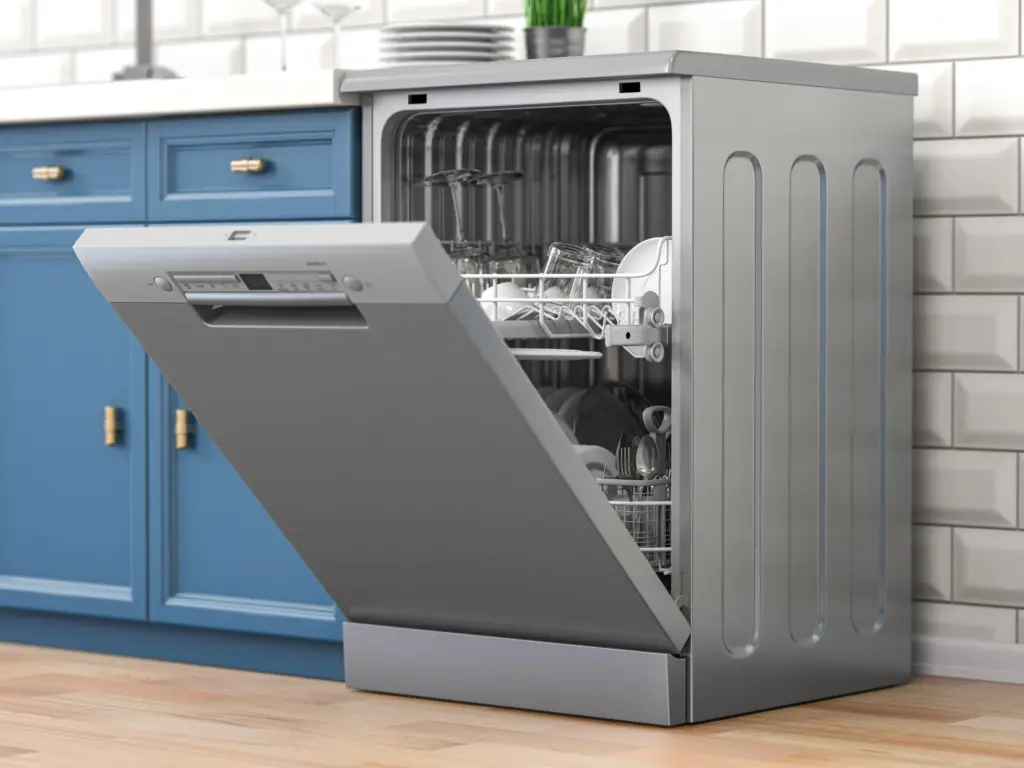
Large household appliances are the products most commonly assembled in American manufacturing plants. Refrigerators, dishwashers, ovens, ranges, washing machines, and dryers are frequently built in U.S. facilities. These appliances require complex assembly lines and specialized equipment, which makes domestic production practical when manufacturers want to maintain tight quality control. In addition, producing appliances closer to the North American market helps companies respond more quickly to consumer demand and reduces transportation expenses associated with international shipping.
Why Some Appliances Are Manufactured Domestically
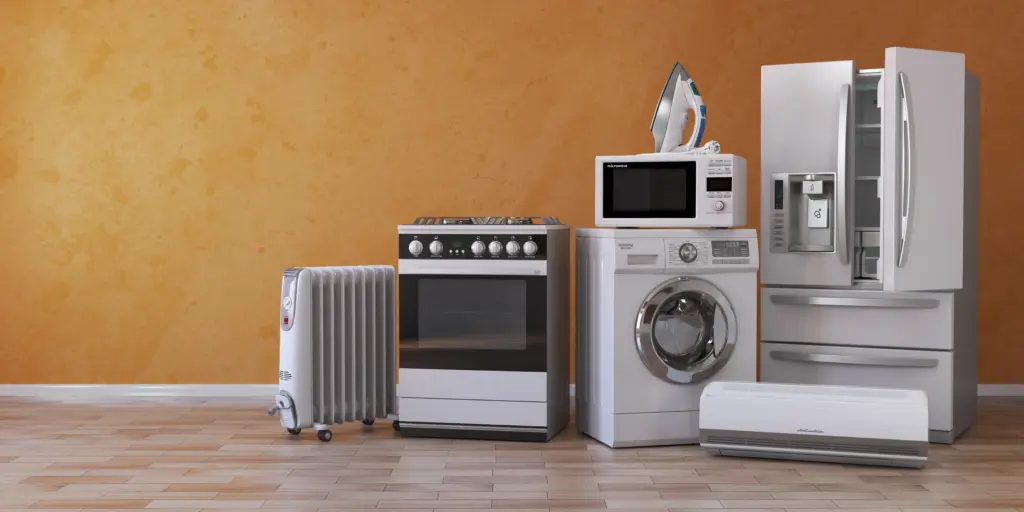
There are several reasons manufacturers continue to assemble appliances in the United States. Transportation costs play a major role because large appliances are bulky and expensive to ship across oceans. Domestic production also allows manufacturers to maintain higher quality control standards during assembly and testing. Another advantage is the ability to respond quickly to changing market demand or design updates. These factors explain why the question what appliances are made in the USA still has meaningful answers despite global manufacturing trends.
The Role Of American Manufacturing Standards
Appliances assembled in the United States are subject to strict manufacturing and safety regulations. Production facilities must follow national safety standards and undergo inspections that ensure appliances meet performance requirements. These regulations help ensure that appliances operate safely in kitchens and laundry rooms. Many manufacturing plants also use advanced robotics and automated testing equipment to verify the durability of each appliance before it reaches consumers. This combination of regulation and technology helps maintain the reliability expected from appliances produced in American facilities.
Energy Efficiency And Appliance Production
Energy efficiency has become a major focus in modern appliance manufacturing. Many appliances assembled in the United States are designed to meet strict energy efficiency guidelines that reduce electricity consumption while maintaining performance. Refrigerators, washing machines, and dishwashers produced today use advanced insulation, sensors, and motor technologies that help reduce energy usage. According to the U.S. Department of Energy, energy efficient appliances can significantly reduce household energy costs while also lowering environmental impact.
Challenges Facing Domestic Appliance Manufacturing
Although many appliances are still assembled domestically, the industry faces several challenges. Global competition, rising material costs, and supply chain disruptions can influence where manufacturers choose to produce components. In some cases it may be more economical to manufacture certain parts overseas while performing final assembly in the United States. Labor costs and economic conditions can also affect manufacturing decisions. Despite these challenges, many companies continue to invest in American factories because domestic assembly provides advantages in quality control and distribution efficiency.

How To Identify Appliances Made In The USA
Consumers interested in purchasing domestically assembled appliances can often find manufacturing information on product labels, packaging, or manufacturer websites. Some appliances may carry labels indicating they are assembled in the United States using domestic and imported parts. The Federal Trade Commission Made in USA guidelines explain how manufacturers are allowed to label products produced in the country and what requirements must be met before a product can be marketed as made in the United States.
Appliance Lifespan And Maintenance
No matter where an appliance is manufactured, proper maintenance plays a major role in determining how long it will operate efficiently. Cleaning refrigerator condenser coils, maintaining dryer vents, and ensuring proper airflow around appliances all help extend appliance life. Regular maintenance prevents mechanical strain and helps appliances perform at their best. Appliances that receive consistent care often last significantly longer than those that are neglected or poorly maintained.
When Appliance Repair Becomes Necessary
Even high quality appliances eventually require repair as components experience natural wear over time. Refrigerators may lose cooling efficiency, dryers may stop heating, and washing machines may develop drainage problems. Diagnosing these issues early can prevent further damage and extend appliance life. For appliances that stop working properly, professional service helps identify the cause and restore performance.
Professional Appliance Service
When appliance problems appear, professional repair technicians can inspect electrical components, motors, sensors, and cooling systems to determine the exact cause of the issue. Reliable repair services help extend appliance lifespan and restore proper function without requiring immediate replacement. Those in Northeast Ohio who need professional appliance inspection or repair can visit My Appliance Guy for assistance with refrigerators, dryers, washers, and other household appliances.

Final Thoughts
Understanding what appliances are made in the USA helps clarify how modern appliance manufacturing works. Many major appliances used in kitchens and laundry rooms are still assembled in American factories, even though some internal components may come from global suppliers. Domestic assembly provides advantages in quality control, transportation efficiency, and manufacturing standards. As appliance technology continues to evolve, American production facilities remain an important part of the appliance industry.