Learning how to repair gas stove igniter problems starts with identifying exactly what the burner is doing. A gas stove may click without lighting, fail to click at all, spark continuously, or ignite only after several attempts. These symptoms can point to moisture, food debris, a dirty burner cap, a blocked ignition area, a damaged electrode, wiring trouble, or a failed ignition switch. Before touching any part of the stove, turn the burner controls off and allow the cooktop to cool completely.
If you smell gas, do not continue troubleshooting how to repair gas stove igniter components. Turn the appliance off, avoid creating sparks or flames, leave the area, and follow your gas utility’s emergency instructions. Do not operate electrical switches near a suspected gas leak. Basic cleaning and inspection can be reasonable for homeowners, but gas valves, supply lines, regulators, and internal ignition wiring should be handled by a qualified technician.
Clean The Burner Cap And Ignition Area
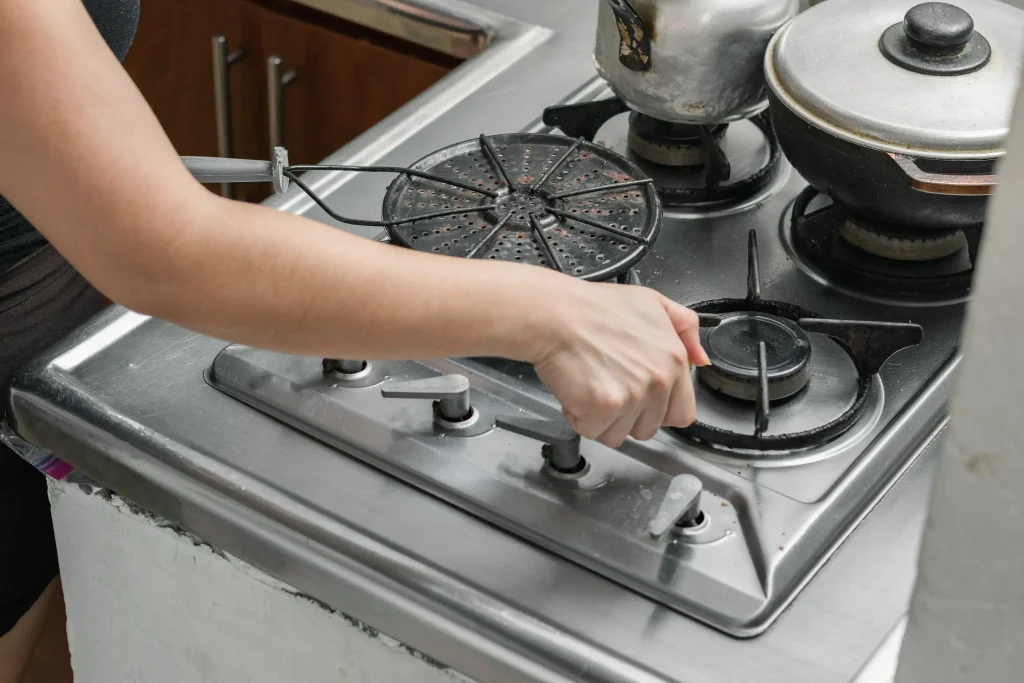
One of the safest first steps in how to repair gas stove igniter trouble is cleaning the burner area. Food spills, grease, crumbs, and cleaning residue can interfere with the spark path. Remove the burner grate and burner cap only after the stove has cooled. Wipe away loose debris with a soft cloth and clean the cap according to the manufacturer’s instructions. Avoid soaking electrical ignition parts or spraying cleaner directly into the electrode area.
After cleaning, make sure the burner cap sits flat and correctly aligned. A cap that is off-center can prevent gas from flowing toward the spark properly. The igniter electrode should remain clean and dry. Use a dry cloth or soft brush around it rather than scraping aggressively. This basic cleaning step often solves how to repair gas stove igniter issues caused by residue rather than a failed component.
Dry The Igniter If It Keeps Clicking
Moisture is a common reason a stove igniter keeps clicking after cleaning or after a spill. When learning how to repair gas stove igniter problems, consider whether water may have entered the burner area. Turn all burner controls off and let the cooktop dry completely. Remove the grates and burner caps if your model allows it, then allow air to circulate around the ignition area. Do not use an open flame or excessive heat to speed up drying.
Continuous clicking can happen because moisture creates an unintended electrical path around the ignition switch or electrode. Once the area dries, normal operation may return. If the clicking continues for hours or happens even when every burner knob is off, disconnect electrical power to the appliance if you can do so safely and arrange service. Persistent sparking may involve a switch, spark module, wiring, or another internal component rather than surface moisture.
Check The Burner Ports For Blockages
Blocked burner ports can make it look like the igniter has failed even when the electrode is producing a strong spark. Another useful step in how to repair gas stove igniter problems is checking the small openings around the burner head. Food residue and grease can prevent gas from reaching the ignition point. When the burner is cool and the gas controls are off, inspect the openings and remove visible residue using the cleaning method recommended for your stove.
Do not enlarge burner holes with drills, knives, or other sharp tools. Changing the size or shape of the ports can affect the flame pattern and create unsafe operation. The Wikipedia overview of gas stoves explains the basic way gas burners and ignition systems work. If cleaning does not restore reliable ignition, professional cooktop service can determine whether the burner assembly, electrode, switch, or spark system needs repair.
Inspect The Igniter Electrode For Damage
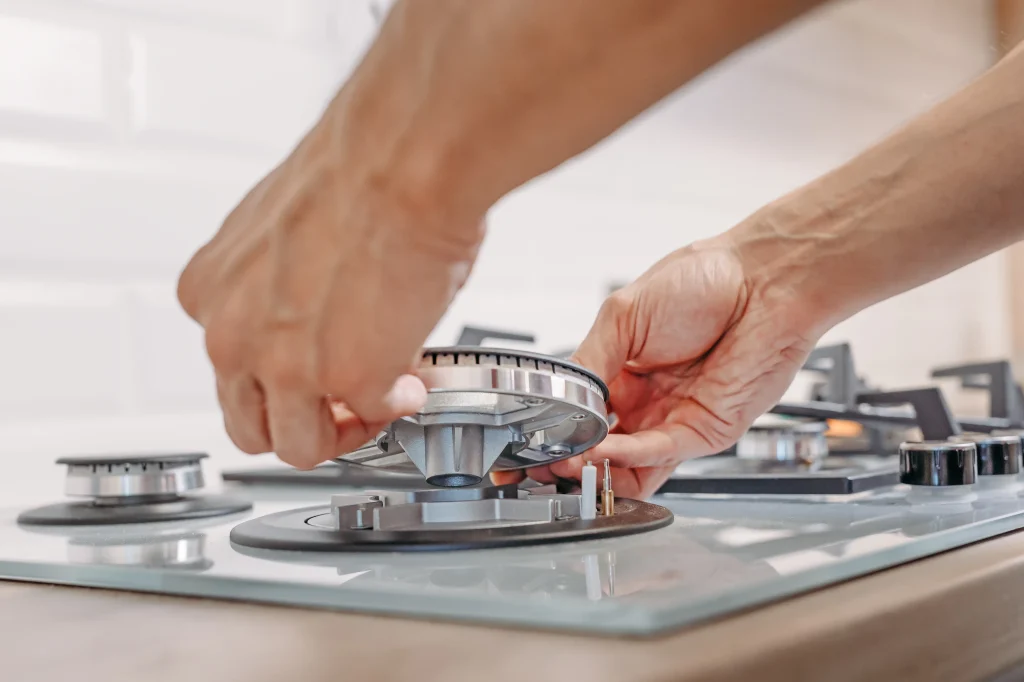
A visible crack or damaged tip can explain how to repair gas stove igniter problems that do not improve after cleaning. The electrode is usually positioned near the burner so its spark can ignite the gas. Inspect it carefully while the stove is cool and disconnected from electrical power when appropriate. Look for obvious cracks in the ceramic, a loose mounting point, heavy corrosion, or a tip that appears bent away from the burner.
Do not attempt to reshape or bypass a damaged electrode while the appliance is connected to gas and power. Replacing the electrode may require removing cooktop panels and accessing ignition wiring. That work varies greatly by model. When how to repair gas stove igniter troubleshooting reaches internal electrical components, professional diagnosis is the safer option. My Appliance Guy provides range service for ignition, burner, heating, control, and other cooking appliance problems.
Understand Why The Stove Clicks But Will Not Light
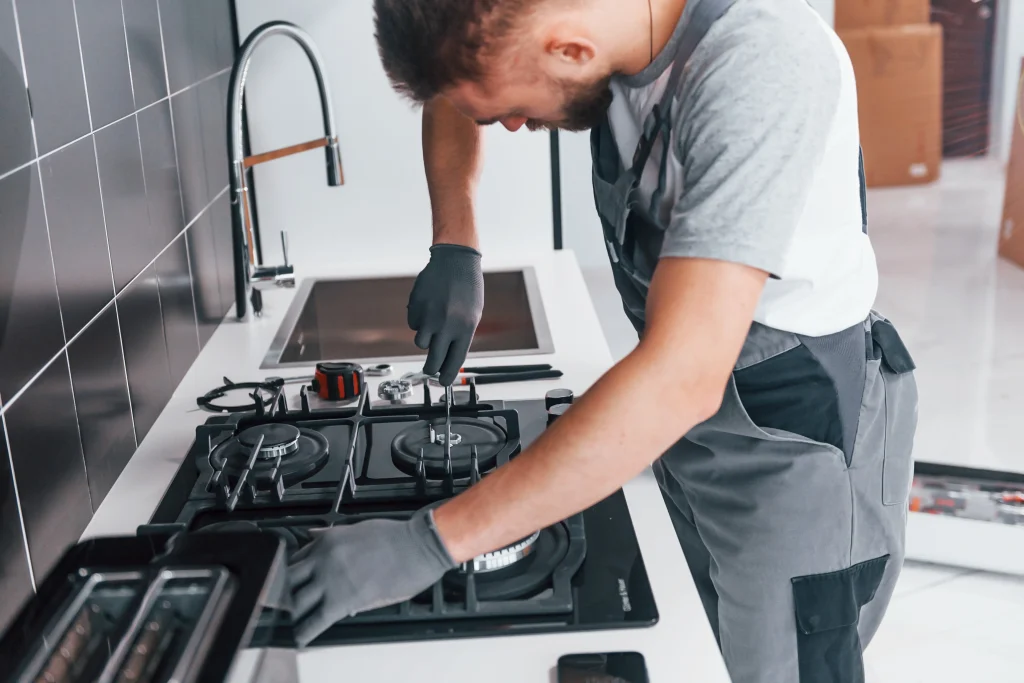
A stove that clicks but does not ignite is one of the most common reasons people search how to repair gas stove igniter issues. If you can see or hear a strong spark, the problem may not be the igniter itself. The burner cap may be misaligned, the burner ports may be blocked, or gas may not be reaching the ignition point correctly. A weak or poorly positioned spark can also fail to light the burner consistently.
Gas flow problems should not be treated as a DIY repair. Do not adjust regulators, valves, or supply fittings to make the burner light faster. If several burners stop working at once, the issue could involve the gas supply or shared ignition system. If only one burner fails, the problem may be localized. When how to repair gas stove igniter troubleshooting does not reveal a simple cleaning or alignment issue, stop and have the appliance tested professionally.
Know When The Spark Module Or Switch May Be Faulty
The spark module generates the electrical pulses that create the clicking spark at the burners. Ignition switches behind the control knobs tell the module when to spark. If the stove clicks continuously, does not click at all, or several burners stop sparking together, one of these components may be involved. Understanding this system helps with how to repair gas stove igniter problems, but replacing these parts usually requires opening the appliance and working around electrical connections.
Do not bypass a switch or spark module to force ignition. These components are part of the appliance’s safety and control system. A technician can test whether the module is receiving power and whether the switches respond correctly. My Appliance Guy’s appliance repair services cover cooking appliances and other household equipment when a problem goes beyond safe cleaning and inspection. Internal testing is especially important when several burners develop the same ignition problem at once.
Repair The Cause Instead Of Repeatedly Relighting The Burner
The most important lesson in how to repair gas stove igniter problems is to correct the underlying cause rather than repeatedly trying to light the burner. A dirty burner cap or wet ignition area may be easy to fix, but recurring clicking, weak sparks, delayed ignition, or repeated failures can indicate a damaged electrode, switch, spark module, wiring problem, or gas-related issue. Continuing to use a burner that lights unpredictably can make the problem more serious.
So, how to repair gas stove igniter issues safely starts with cleaning, drying, checking burner alignment, and inspecting visible parts. Stop there if the problem involves internal wiring, gas components, persistent sparking, or any gas odor. Do not open gas valves or bypass ignition components as a shortcut. For professional stove and cooking appliance repair throughout Northeast Ohio, contact My Appliance Guy for diagnosis and service.