An unwanted refrigerator cannot simply be placed with ordinary household trash. Its refrigerant, compressor oil, insulation, and other components require controlled handling. Its weight also makes moving it difficult and potentially dangerous. Learning how to get rid of an old refrigerator helps you choose a safe option while following local disposal rules.
A working refrigerator may qualify for donation, resale, or a utility collection program. A broken or inefficient unit usually belongs with an approved appliance recycler. Retailer haul-away services, municipal collections, and scrap recyclers may also accept it. However, each provider has different requirements, fees, and pickup procedures.
This guide explains how to assess the refrigerator, arrange proper collection, prepare it for removal, and avoid unsafe disposal practices. Never cut a refrigerant line, remove the compressor, or dismantle the appliance yourself. Confirm all requirements with the selected organization before moving the refrigerator.

Assess the Condition of Your Refrigerator
Before deciding how to dispose of your old refrigerator, assess its condition to determine whether it can still be used or if it needs to be discarded. If the appliance is still functional or can be repaired, consider donating it or selling it secondhand. Many people are looking for affordable appliances, and donating or selling can extend the refrigerator’s life and benefit someone else.
Donating: If your refrigerator is in good working condition, consider donating it to a local charity, shelter, or community center. Organizations like Habitat for Humanity, Goodwill, and the Salvation Army often accept used appliances in good condition. Be sure to check the organization’s specific donation guidelines before bringing in your appliance.
Selling: Online marketplaces like Craigslist, Facebook Marketplace, and eBay are great platforms for selling used appliances. Take clear pictures, provide detailed descriptions, and set a reasonable price to attract potential buyers. This option not only helps you get rid of the refrigerator but also allows you to recoup some of its value.
Recycling the Refrigerator
For many broken appliances, recycling provides the clearest answer to how to get rid of an old refrigerator responsibly. If your refrigerator is no longer functional or if repairs are not cost-effective, recycling is a responsible and environmentally friendly option. Refrigerators contain various recyclable materials, including metals, plastics, and glass. However, due to the presence of harmful refrigerants and insulation materials, proper recycling is essential.
Certified Appliance Recycling Centers: Many areas have certified appliance recycling centers that specialize in safely dismantling and recycling refrigerators. These centers have the necessary equipment and expertise to handle refrigerants, insulation, and other potentially hazardous materials. You can search online for a certified recycler in your area or contact your local waste management authority for recommendations.
Retailer Take-Back Programs: Many retailers offer take-back programs when you purchase a new refrigerator. As part of this service, they will deliver the new appliance and haul away the old one for recycling. This option is convenient, especially if you are replacing your old refrigerator. Check with the retailer about their take-back policy and any associated fees.
Municipal Recycling Programs: Some municipalities offer curbside pickup for large appliances, including refrigerators, as part of their waste management services. This service may be free or require a nominal fee. Contact your local waste management department to inquire about their appliance recycling program and schedule a pickup if available.

Proper Handling of Refrigerants and Hazardous Materials
Refrigerators contain refrigerants, such as CFCs, HCFCs, or HFCs, which can be harmful to the environment if released into the atmosphere. These substances contribute to ozone depletion and global warming. Additionally, refrigerators may contain oil, mercury, and other hazardous materials that require special handling.
Professional Removal of Refrigerants: It is crucial to have a certified technician remove the refrigerants from your old refrigerator before disposal. The U.S. Environmental Protection Agency (EPA) requires that refrigerants be recovered and disposed of properly to prevent environmental harm. Certified technicians have the training and equipment to safely recover and recycle or dispose of these substances.
Disposal of Hazardous Components: In addition to refrigerants, refrigerators may contain components like mercury-containing switches and capacitors. These components should be removed and disposed of according to local hazardous waste disposal regulations. Certified recycling centers and waste management services can handle these materials safely.
Exploring Additional Disposal Options
Your location, the appliance’s condition, and available pickup services will determine how to get rid of an old refrigerator conveniently. In addition to recycling, there are other options for disposing of an old refrigerator, depending on your location and circumstances.
Junk Removal Services: If you are unable to transport your old refrigerator to a recycling center or donation site, consider hiring a junk removal service. These companies will come to your home, pick up the appliance, and ensure it is disposed of properly. Be sure to choose a reputable company that follows proper disposal practices.
Local Utility Programs: Some utility companies offer appliance recycling programs as part of their energy efficiency initiatives. These programs often provide incentives, such as cash rebates or bill credits, for recycling old, energy-inefficient refrigerators. Contact your local utility provider to see if they offer such a program and if you qualify for any incentives.
Scrap Metal Dealers: If your refrigerator is beyond repair and not suitable for donation, you can contact local scrap metal dealers who may be interested in purchasing it for its metal content. While this option may not provide a significant financial return, it ensures that the metal components are recycled.
Preparing Your Refrigerator for Disposal
Preparation is an important part of how to get rid of an old refrigerator without damaging the home or delaying collection. Before disposing of your refrigerator, there are a few steps you should take to prepare it:
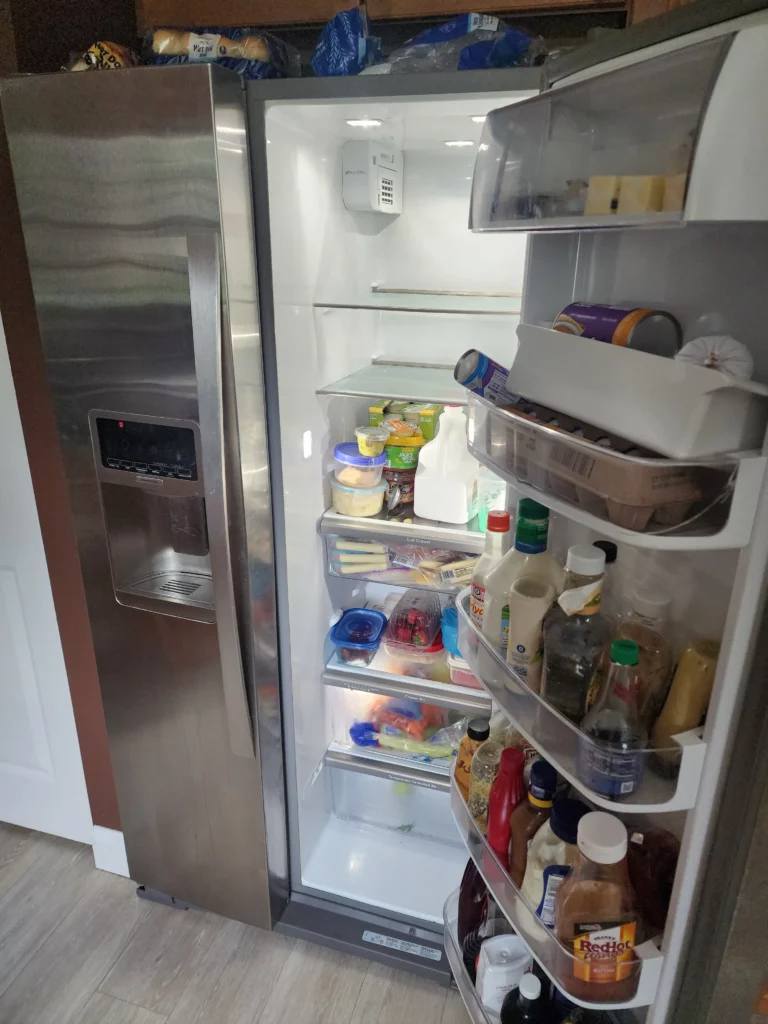
- Disconnect and Clean: Unplug the refrigerator and remove all food and perishable items. Thoroughly clean the interior to prevent odors and pests. Plan where refrigerated and frozen food will go before unplugging the unit. Move usable food into another refrigerator, freezer, or insulated cooler. Discard spoiled food according to local waste instructions. Remove shelves, bins, loose ice, and standing water before transportation.
- Secure Doors: Ask the collector whether the doors should remain attached during transportation. If the refrigerator will sit unattended before pickup, protect children from entrapment. Keep children away from the appliance throughout storage and collection.
- Schedule Pickup or Drop-off: If you are using a recycling service, junk removal, or retailer take-back program, schedule a pickup time. If you are taking the refrigerator to a recycling center, ensure you have the appropriate vehicle and equipment for transport.
- A refrigerator is heavy and difficult to control on stairs. Measure doorways and clear the route before moving it. Protect flooring and use an appliance dolly with suitable straps. Do not attempt to lift the refrigerator alone. Keep it upright whenever possible, and follow the manufacturer’s transportation instructions if temporary tilting becomes necessary.
- Disconnect the water-supply line carefully if the refrigerator has an ice maker or dispenser. Close the supply valve first and keep a towel nearby for remaining water. Cap or secure the line so it does not leak after removal.
Legal and Environmental Considerations
Proper disposal of refrigerators is not only a matter of convenience but also a legal and environmental responsibility. Many countries have regulations governing the disposal of appliances, particularly those containing refrigerants and hazardous materials.Federal, state, and local requirements affect how refrigerated appliances are collected and processed. Requirements for homeowners, haulers, and final disposal facilities are not always identical. Contact the local waste authority before placing a refrigerator at the curb or transporting it to a facility.
Environmental Impact: Improper disposal of refrigerators can have severe environmental consequences. Refrigerants released into the atmosphere contribute to ozone depletion and climate change. Additionally, materials like foam insulation and mercury can contaminate soil and water if not handled correctly.
Legal Requirements: In the United States, the EPA enforces regulations related to the safe disposal of refrigerants and hazardous materials. The Clean Air Act requires the proper recovery and disposal of refrigerants. Federal rules require proper refrigerant recovery before the refrigerator is dismantled or finally disposed of. Additional requirements apply to components such as mercury, PCBs, compressor oil, and certain other materials. Local authorities may impose additional collection or documentation rules.

Conclusion
Understanding how to get rid of an old refrigerator starts with checking its condition and local collection rules. A working unit may qualify for repair, donation, or resale. A broken or inefficient refrigerator usually belongs with a utility program, retailer, municipality, or appliance recycler that manages refrigerant correctly.
Confirm fees and preparation requirements before pickup. Remove food, clean the interior, secure loose parts, and protect children from possible entrapment. Never cut refrigerant lines or dismantle the compressor yourself. If you are unsure whether replacement is necessary, contact My Appliance Guy or call (440) 409-4541 for refrigerator diagnosis in Northeast Ohio.