Cooking corn on the cob does not have to involve a large pot of boiling water or an outdoor grill. To answer how to cook corn on the cob in the microwave, you place the corn in the microwave with the husk on or wrapped to hold in moisture, cook it for a few minutes depending on the number of ears, and let it rest briefly so the steam finishes the job. This method is one of the easiest ways to prepare corn because it is fast, convenient, and keeps the kernels tender while preserving much of their natural sweetness. For busy households, it is often the quickest path from fresh produce to the dinner table.
Many people are surprised at how effective microwave cooking can be for corn because they assume good corn needs boiling or grilling to turn out properly. In reality, the microwave creates a steaming effect that works especially well for corn on the cob. Since corn already contains moisture, heating it in a mostly enclosed state allows that moisture to circulate around the kernels and soften them evenly. When done correctly, the result is juicy corn with very little cleanup and almost no waiting time compared with other cooking methods.
Why The Microwave Works So Well For Corn
The microwave works well because corn on the cob benefits more from steaming than from aggressive direct heat in its early cooking stage. When you microwave corn, the water inside the kernels and the moisture trapped by the husk or a damp covering produce steam. That steam cooks the cob from the outside while the microwave energy heats the inside at the same time. This creates a balanced cooking effect that helps prevent the corn from drying out. Unlike boiling, where some flavor can leach into the water, microwaving keeps most of the flavor inside the corn itself. That is one reason why people looking up how to cook corn on the cob in the microwave often stick with the method once they try it.
Choosing And Preparing Corn Before Cooking
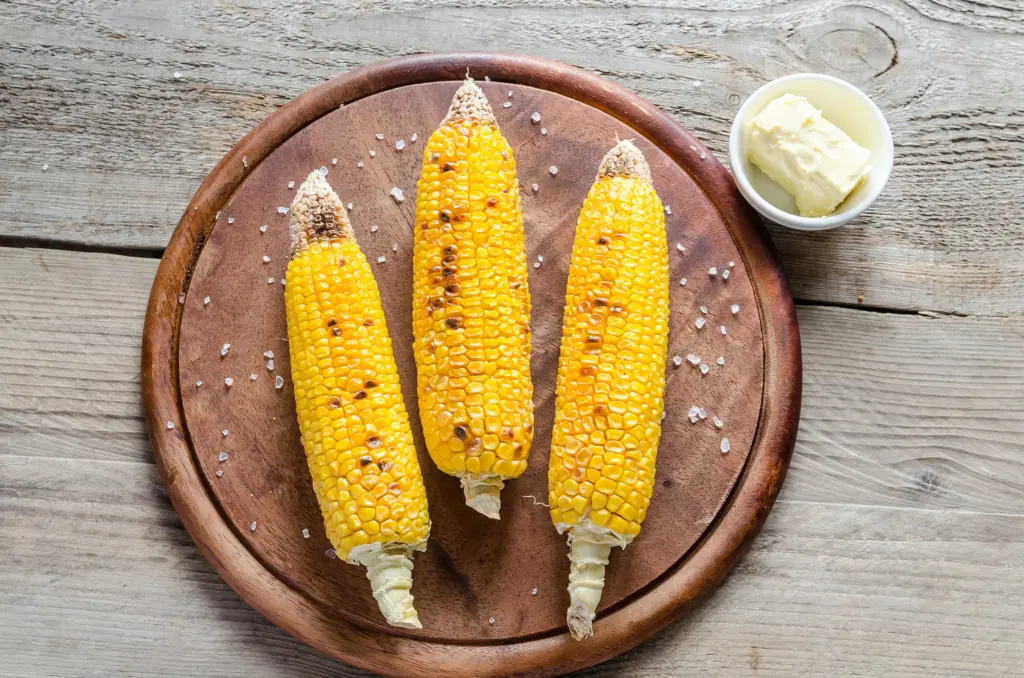
The quality of the corn matters before it ever reaches the microwave. Fresh ears with bright green husks, moist silk, and plump kernels usually produce the best results. If the husk is dry and brittle or the kernels look shrunken, the corn may already be losing sweetness and moisture. Before cooking, you can either leave the husk on or remove it depending on your preference. Leaving the husk on is popular because it naturally traps steam and helps reduce prep work. If the corn is already shucked, wrapping it in a damp paper towel can create a similar steaming effect. Either way, the goal is to keep enough moisture around the ear so that the kernels cook evenly and stay tender.
How Long To Cook Corn On The Cob In The Microwave
Cooking time depends mostly on how many ears you are preparing and how powerful your microwave is. In many home microwaves, one ear of corn takes about 3 to 5 minutes on high power, two ears usually need around 5 to 7 minutes, and three to four ears may take 8 to 12 minutes. It is usually better to start on the lower side of the range and then add a little more time if needed rather than overcook the corn from the start. Overcooked corn can become chewy or dry, especially if the husk has been removed. Since microwave power varies, small adjustments are normal. Learning how to cook corn on the cob in the microwave well often comes down to testing your appliance once and then repeating the timing that works best in your kitchen.
Husk On Versus Husk Off Cooking
There are two common ways to microwave corn, and each has its advantages. Cooking with the husk on is often the easiest because the husk acts like a natural wrapper that holds in steam and protects the kernels from drying out. After cooking, the silk usually comes off more easily, and the kernels tend to stay juicy. Cooking with the husk off is more practical when the corn has already been cleaned or when you want to season it before heating. In that case, wrapping the ear in a damp paper towel helps mimic the steaming effect. Both methods work, but the husk-on approach is often favored for people who want the simplest answer to how to cook corn on the cob in the microwave without worrying much about texture or moisture loss.
How To Tell When The Corn Is Done
Corn is done when the kernels feel tender and heated through but still have a slight snap when bitten. After the cooking time ends, let the corn rest for 1 to 2 minutes before checking it. This rest time is important because the trapped steam continues cooking the cob briefly after the microwave stops. If the kernels still feel firm or only partially warm, return the corn to the microwave for 30 to 60 second intervals. It helps to avoid guessing based only on time because fresh corn, older corn, and larger ears can all behave differently. One of the easiest ways to improve your results is to check the texture directly rather than assuming every ear cooks identically.
Seasoning And Serving Ideas After Cooking
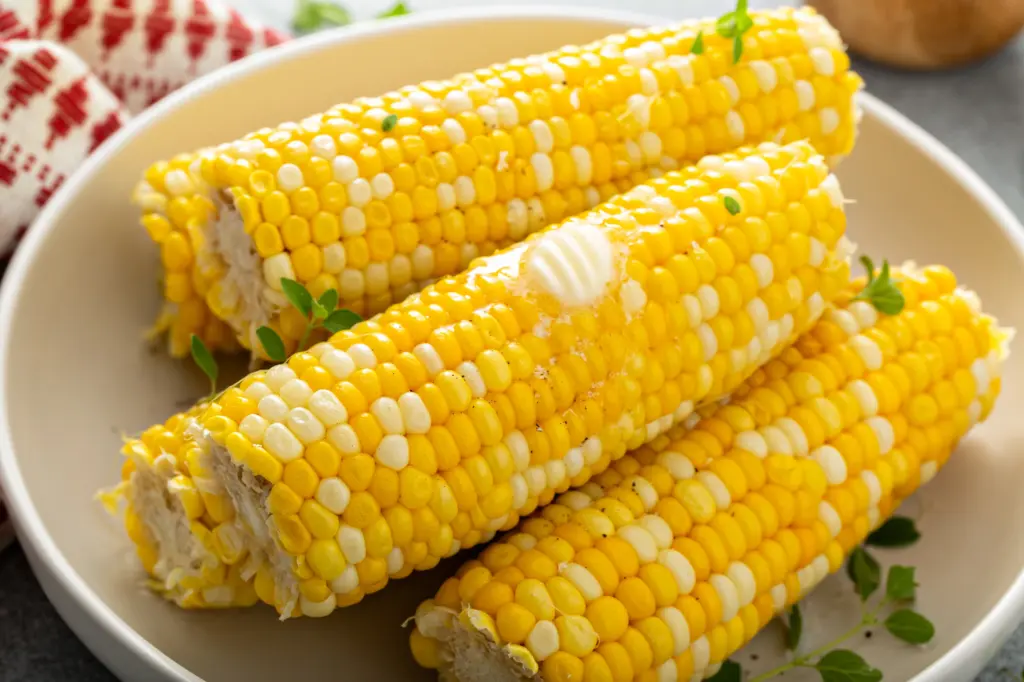
Once the corn is cooked, you can keep the flavor simple or build on it depending on the meal. Butter, salt, and black pepper are the classic finish because they highlight the natural sweetness without overpowering it. Some households like to brush the corn with melted butter and sprinkle garlic powder, paprika, or parmesan cheese for extra flavor. Others go with lime juice, chili powder, or fresh herbs. Since microwave cooking tends to preserve moisture and sweetness, the corn usually needs very little to taste good. That is another reason this method is so useful for quick meals. You are not spending a long time cooking, and you do not need complicated ingredients afterward to make the final dish feel complete.
Common Mistakes That Ruin Microwave Corn
The biggest mistake is overcooking the corn. When it stays in the microwave too long, the kernels can become tough and lose the juicy bite that makes fresh corn enjoyable. Another mistake is cooking shucked corn without enough moisture, which causes dry or uneven heating. Some people also remove the corn immediately and try to peel it barehanded, only to get burned by trapped steam. Letting it rest briefly solves that problem and improves the final texture. Using too many ears at once can also lead to uneven cooking if the microwave does not heat consistently. If you are making a larger batch, it is sometimes better to cook in smaller groups than to crowd the microwave and hope for uniform results.
Microwave Safety And Food Handling Tips
Any time you cook with trapped steam, safety matters. The corn, husk, plate, and any wrapping material can become very hot, so use tongs or a towel when removing it from the microwave. Be careful when peeling back the husk or opening a wrapped ear because a burst of steam can escape quickly. Microwave-safe dishes and coverings should always be used, especially if you are not using the husk. Food safety guidance from the USDA Food Safety and Inspection Service is a helpful reminder that safe handling, clean surfaces, and proper cooking practices are important in every kitchen. General kitchen guidance from the U.S. Food and Drug Administration also supports careful handling of hot foods and surfaces to prevent burns or contamination.
When Microwave Performance Affects Cooking Results
If corn takes unusually long to cook, heats unevenly, or repeatedly comes out with cold spots even when the method is correct, the microwave itself may not be performing well. Weak heating can point to internal wear, electrical issues, or failing components. This becomes noticeable first in foods like corn because they should cook quickly and fairly evenly. If your microwave has become unreliable, homeowners in Northeast Ohio can visit My Appliance Guy Microwave Service or call (440) 409-4541 for professional microwave inspection and repair. A properly working microwave makes a big difference in simple recipes like this one.
Final Thoughts
Learning how to cook corn on the cob in the microwave gives you a simple, fast, and dependable option for preparing one of the most popular side dishes at home. The method works because the microwave traps and uses the corn’s own moisture to steam the kernels until they are tender. With the right timing, a short rest period, and a little attention to moisture, microwave corn can turn out sweet, juicy, and ready in minutes. For busy weeknights, small family meals, or quick side dishes, this is one of the easiest cooking methods to keep in regular use.