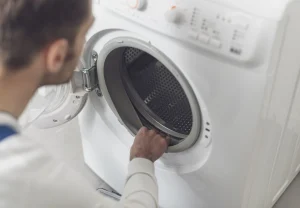
A dishwasher is designed to clean dishes every day, but the appliance itself also needs regular cleaning to continue performing efficiently. To answer how to clean your dishwasher, start by removing food debris, cleaning the filter, wiping the door seals, clearing the spray arms, and running a cleaning cycle to remove grease, detergent residue, and mineral buildup. Regular maintenance helps improve cleaning performance, eliminates unpleasant odors, prevents drainage problems, and extends the life of the dishwasher.
Many homeowners assume the combination of hot water and detergent keeps the dishwasher clean automatically. In reality, grease, food particles, soap residue, and hard water minerals gradually build up inside the appliance. This hidden buildup reduces water circulation, affects washing performance, and creates unpleasant smells that transfer to dishes. Spending a small amount of time cleaning the dishwasher every month can prevent many common appliance problems while helping it operate more efficiently for years.
Why Every Dishwasher Needs Regular Cleaning
Although a dishwasher handles dirty dishes every day, it cannot remove every food particle that enters the appliance. Tiny pieces of food become trapped inside the filter, spray arms, drain area, and door seals after each wash cycle. Grease gradually coats interior surfaces, while hard water minerals leave deposits that reduce water flow through spray arm openings. As these materials accumulate, the dishwasher must work harder to achieve the same cleaning results. Dishes may begin coming out with cloudy residue, unpleasant odors may develop, and drainage performance may decline.
Cleaning the dishwasher regularly removes these hidden deposits before they become serious problems. It also helps improve water circulation throughout the appliance, allowing detergent to work more effectively during every cycle. Homeowners who include dishwasher cleaning in their monthly maintenance routine often experience fewer repairs, lower operating costs, and consistently cleaner dishes. Preventive care is almost always easier and less expensive than correcting problems after heavy buildup has already developed.
Start By Cleaning The Dishwasher Filter
The dishwasher filter is one of the most important components to clean because it captures food particles before they enter the drainage system. As grease, food residue, paper labels, and debris collect inside the filter, water circulation becomes restricted and drainage slows down. This often leads to unpleasant odors, standing water at the bottom of the dishwasher, and poor cleaning performance. Most modern dishwashers include removable filters that can be cleaned with only warm water, mild dish soap, and a soft brush.
Remove the lower dish rack to access the filter, then twist or lift it according to the manufacturer’s instructions. Rinse away loose debris under warm running water before gently scrubbing away grease and stubborn residue. Avoid using abrasive scrubbers because they may damage the fine filter mesh. Once cleaned, inspect the filter for tears or cracks before reinstalling it securely. A clean filter restores proper water flow and allows the dishwasher to clean dishes much more effectively.
Clean The Spray Arms And Interior Surfaces
Spray arms distribute water throughout the dishwasher during every wash cycle. Over time, food particles, mineral deposits, and detergent residue can block the small holes that allow water to spray onto dishes. When these openings become partially clogged, water pressure decreases and cleaning performance suffers. Some dishes may remain dirty simply because water cannot reach them properly. Many spray arms can be removed easily for inspection, making it possible to clean blocked openings using a soft brush or wooden toothpick.
After cleaning the spray arms, wipe the interior walls, racks, and door using a damp microfiber cloth. Pay particular attention to corners and edges where grease often collects unnoticed. Removing visible residue improves appearance while reducing odors that develop as food particles decompose inside the appliance. Regular cleaning of interior surfaces also helps maintain proper airflow and prevents buildup from becoming increasingly difficult to remove.
Don’t Forget The Door Seal And Drain Area
The rubber gasket surrounding the dishwasher door creates a watertight seal that prevents leaks during operation. Because this area remains damp after every cycle, grease, soap residue, mold, and food particles often accumulate along the folds of the seal. If left untreated, this buildup may eventually affect the seal’s ability to close properly while creating unpleasant odors inside the appliance. Cleaning the gasket with warm water and a soft cloth removes residue without damaging the rubber material.
The drain area beneath the filter should also be inspected carefully. Small pieces of food, broken glass, labels, and other debris frequently collect around the drain opening where they can restrict drainage if ignored. Removing visible debris before reinstalling the filter helps keep water flowing freely while reducing the likelihood of future clogs. Taking a few extra minutes to clean these often-overlooked areas can significantly improve dishwasher performance and reliability.
Run A Cleaning Cycle To Remove Hidden Buildup
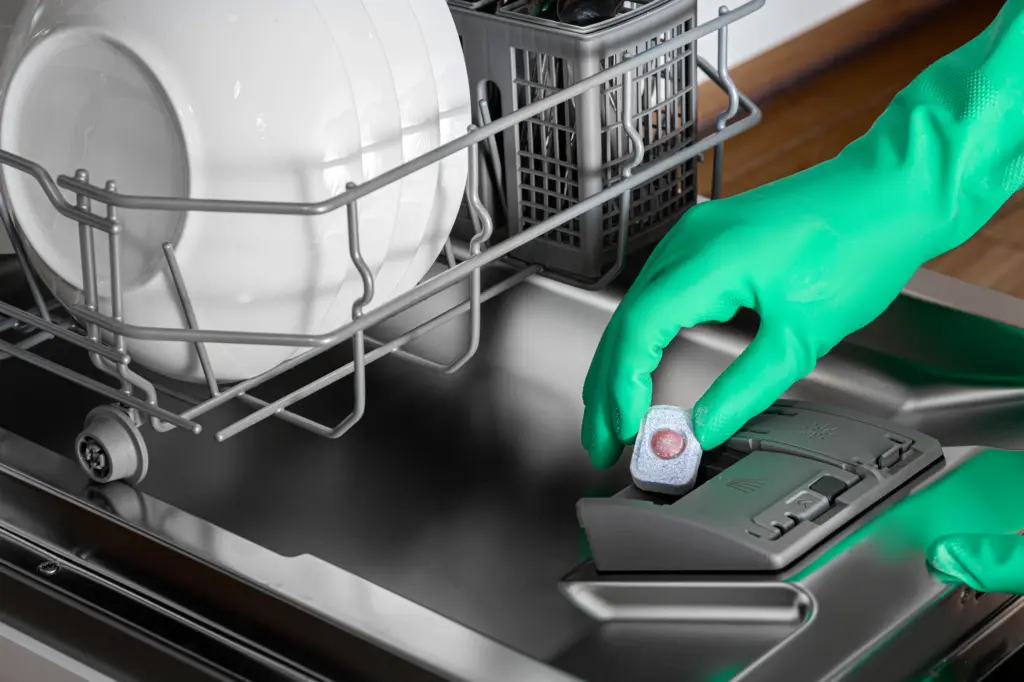
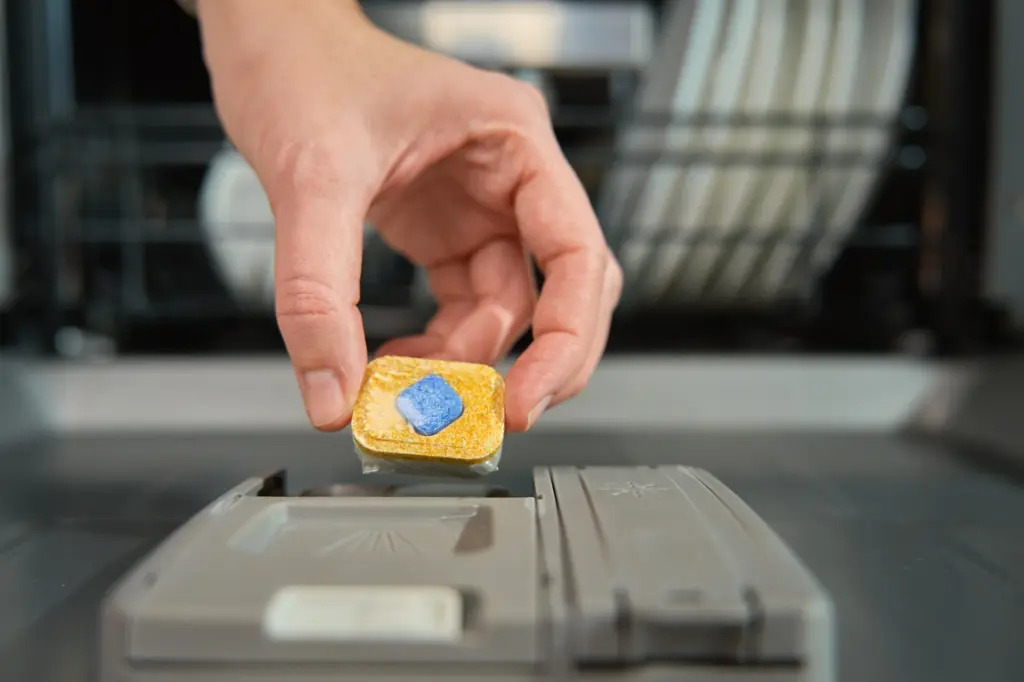
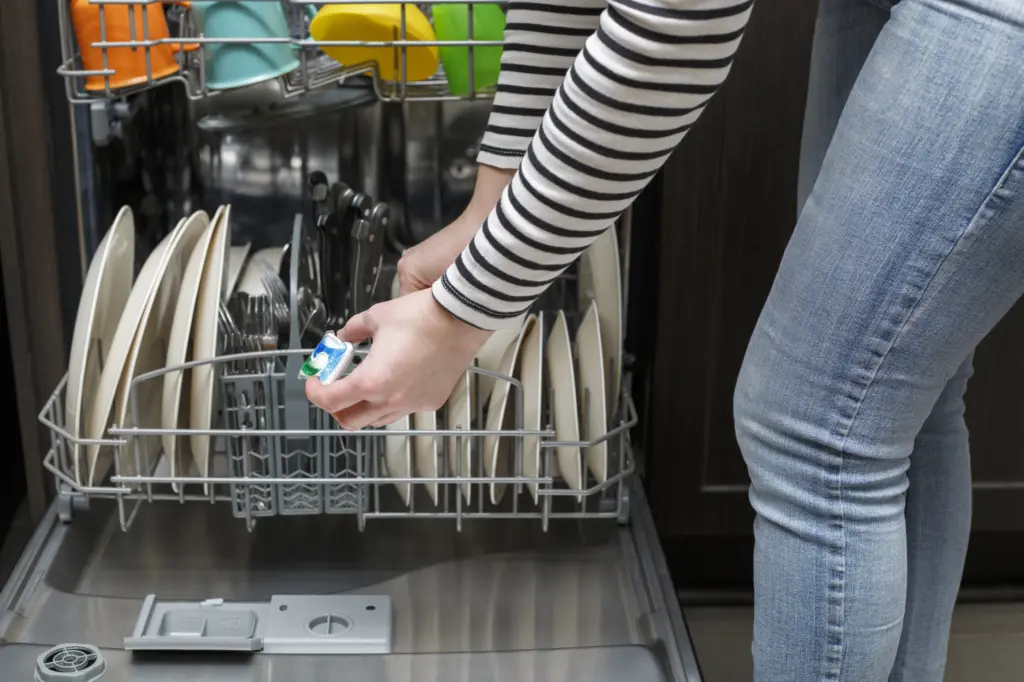
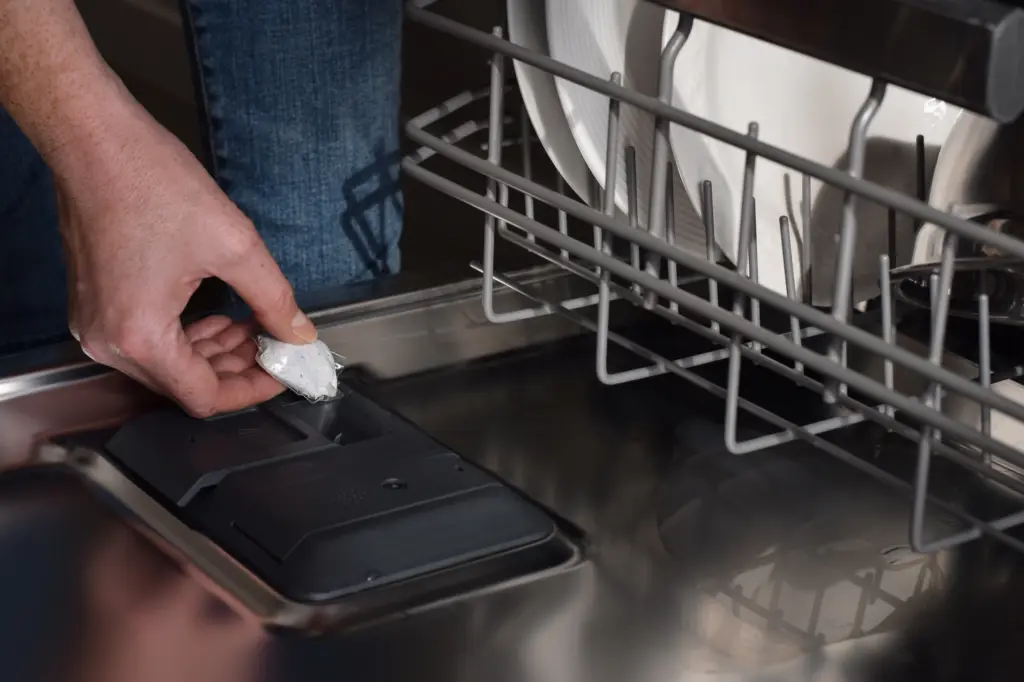
After the filter, spray arms, and interior surfaces have been cleaned, the next step is running a dishwasher cleaning cycle. This process removes grease, detergent residue, mineral deposits, and bacteria that remain inside areas that cannot be reached by hand. Start with an empty dishwasher and use a dishwasher cleaner that is approved by the manufacturer. Follow the instructions on the product label and run the recommended cycle. The hot water circulates throughout the appliance, breaking down hidden residue inside the circulation system, drain passages, and spray arms. This deep cleaning helps restore washing performance while reducing unpleasant odors that may linger after normal wash cycles.
Homes with hard water may notice mineral deposits accumulating more quickly than those with softer water. In these situations, running a cleaning cycle more frequently can help maintain proper water flow and prevent white deposits from forming inside the dishwasher. Consistent deep cleaning also reduces strain on internal components and helps the appliance operate more efficiently over the long term.
Create A Monthly Dishwasher Maintenance Routine
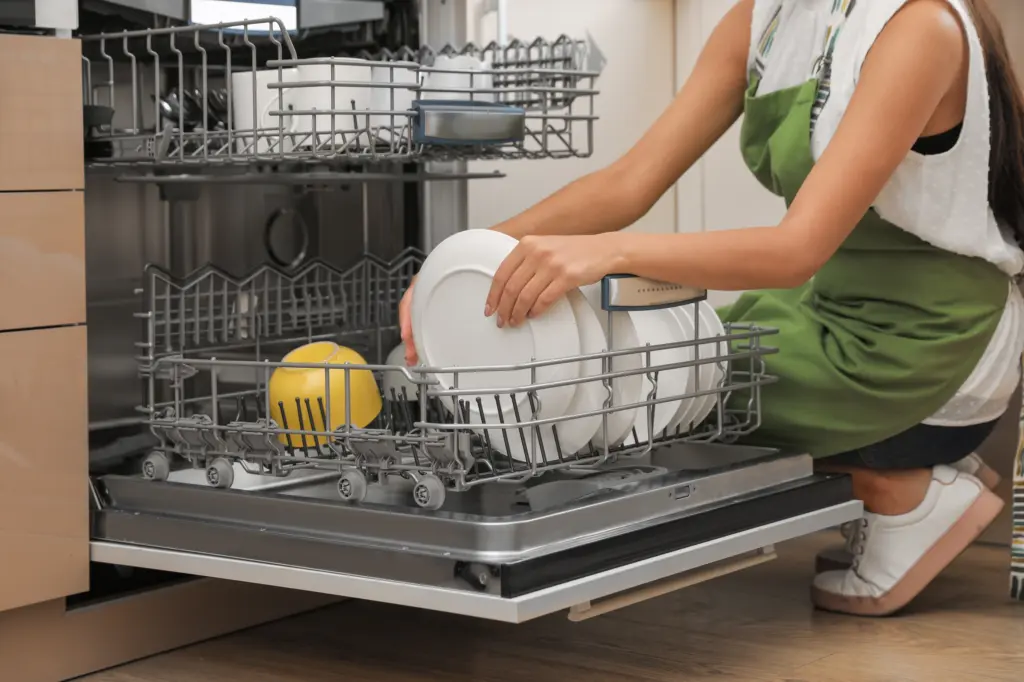
Cleaning the dishwasher becomes much easier when it is part of a regular maintenance schedule instead of waiting until problems develop. A quick inspection once each month allows homeowners to clean the filter, wipe the door gasket, check the spray arms, and inspect the drain area before significant buildup occurs. Small maintenance tasks take only a few minutes but can prevent poor cleaning performance, unpleasant smells, and costly repairs later. Households that use the dishwasher every day may benefit from inspecting the filter every two or three weeks, while lighter use generally requires less frequent attention.
Simple habits also make a noticeable difference. Scraping large food particles from dishes before loading them reduces debris entering the dishwasher, while avoiding excessive detergent helps prevent soap residue from building up inside the appliance. Keeping these habits consistent allows the dishwasher to perform at its best throughout the year while extending the life of important components such as the circulation pump and drainage system.
Common Cleaning Mistakes To Avoid
Some homeowners accidentally reduce dishwasher performance by using the wrong cleaning methods. Harsh chemicals, abrasive scrubbers, or steel wool can damage plastic components, rubber seals, and stainless steel finishes. Ignoring the filter while focusing only on the interior walls is another common mistake because a clogged filter often causes more performance problems than visible dirt inside the tub. Overloading the dishwasher also reduces water circulation, making it more difficult for the appliance to clean effectively even after maintenance has been completed.
The EPA Safer Choice Program provides information about household cleaning products that contain safer ingredients for routine maintenance. FoodSafety.gov also offers useful guidance on maintaining clean kitchen environments through proper sanitation practices at FoodSafety.gov. Following trusted recommendations helps homeowners maintain both their appliances and overall kitchen hygiene.
When Cleaning Isn’t Enough To Fix The Problem
Routine cleaning solves many dishwasher performance issues, but it cannot repair worn or damaged components. If the dishwasher still leaves dishes dirty, drains slowly, leaks, or produces unusual noises after a thorough cleaning, there may be a mechanical problem that requires professional attention. A blocked drain hose, faulty circulation pump, damaged spray arm, or malfunctioning control system can all reduce cleaning performance even when the appliance is spotless inside.
Homeowners experiencing ongoing dishwasher problems after completing routine maintenance can learn more by visiting who fixes dishwasher. Knowing when to move from maintenance to professional repair helps prevent additional damage while restoring the dishwasher’s performance as quickly as possible.
Final Thoughts
Knowing how to clean your dishwasher is one of the simplest ways to improve cleaning performance, eliminate odors, and extend the life of the appliance. Regularly cleaning the filter, spray arms, drain area, and interior surfaces keeps water flowing properly and helps prevent costly repairs. Homeowners throughout Northeast Ohio who need expert dishwasher maintenance or repair can visit My Appliance Guy or call at (440) 409-4541 for dependable appliance service and professional support.