How does a washing machine work? A washer cleans clothes by combining water, detergent, controlled movement, rinsing, and high-speed spinning. The machine first fills with water, either to a preset level or according to sensors that estimate the load size. Detergent mixes with the water and begins loosening dirt, oils, and stains from fabric. The drum or wash basket then moves the clothing through the detergent solution. Front-load machines tumble clothes, while many top-load washers use an agitator or impeller to create movement inside the tub.
After the wash stage, the machine drains the dirty water and begins one or more rinse cycles. Fresh water removes detergent and loosened soil from the clothing. Finally, the washer spins the drum or basket at high speed to remove as much water as possible before the clothes go into the dryer. Understanding how does a washing machine work also helps explain why problems with filling, draining, spinning, or sensing can interrupt the entire cycle even when the rest of the appliance appears normal.
How The Washer Fills With Water
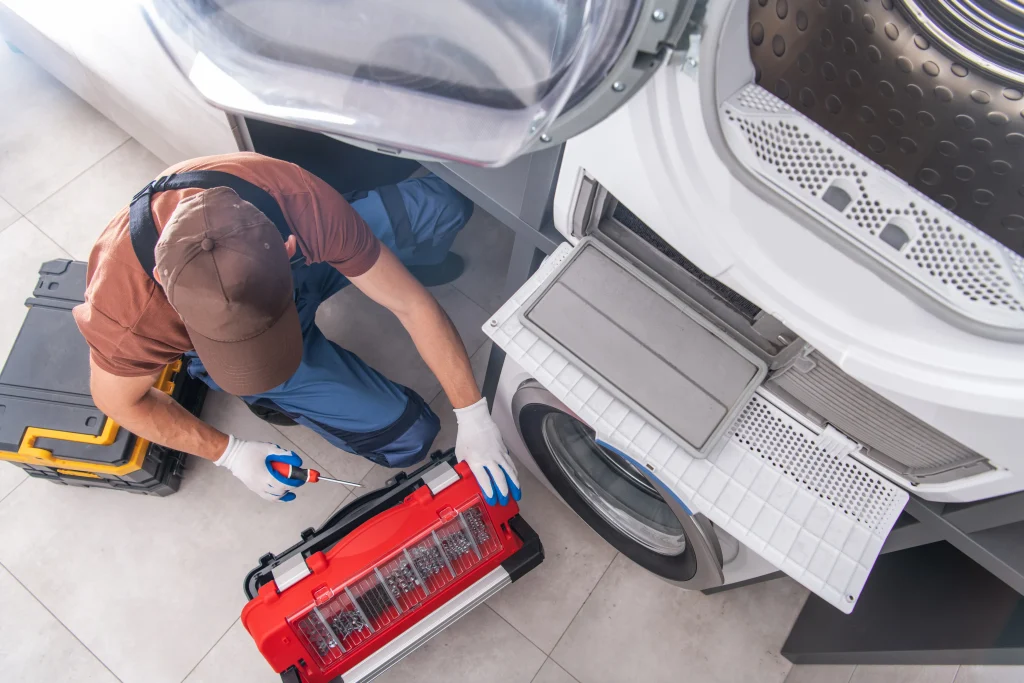
The first major stage begins when the washer opens its water inlet valves. These electrically controlled valves connect to the home’s hot and cold water supply. Depending on the selected temperature, the machine may open one valve, both valves, or switch between them during the cycle. Modern washers often use sensors to determine how much water the load needs. Older machines may depend more heavily on a mechanical pressure switch or user-selected water level. This filling system is a key part of how does a washing machine work efficiently.
The washer must also know when to stop filling. A pressure sensor, water-level sensor, or related control monitors the amount of water inside the tub. Once the correct level is reached, the machine closes the inlet valves and moves to the next stage. If this system fails, the washer may underfill, overfill, or continue filling when it should stop. My Appliance Guy provides professional washing machine service for washers that fill incorrectly, leak, stop during cycles, or display water-level errors.
How Detergent And Water Clean Clothes
Another important part of how does a washing machine work involves detergent. Detergent contains cleaning agents that help loosen oils, dirt, and other substances from fabric. Water carries the detergent through the load while the washer’s movement repeatedly exposes different areas of clothing to the cleaning solution. High-efficiency machines use less water than older washers, so they depend heavily on proper detergent concentration and controlled fabric movement. This is why HE washers generally require low-sudsing detergent specifically designed for efficient machines.
Using too much detergent does not necessarily make clothes cleaner. Excessive suds can reduce washing efficiency, interfere with rinsing, and leave residue on clothing or inside the machine. Modern washers may also adjust cycle time based on load conditions. The Wikipedia overview of washing machines explains the basic development and operation of different washer designs, including front-load and top-load systems. Knowing how does a washing machine work makes it easier to understand why detergent type, dosage, and water level all affect cleaning performance.
How The Drum, Agitator, Or Impeller Moves Clothes
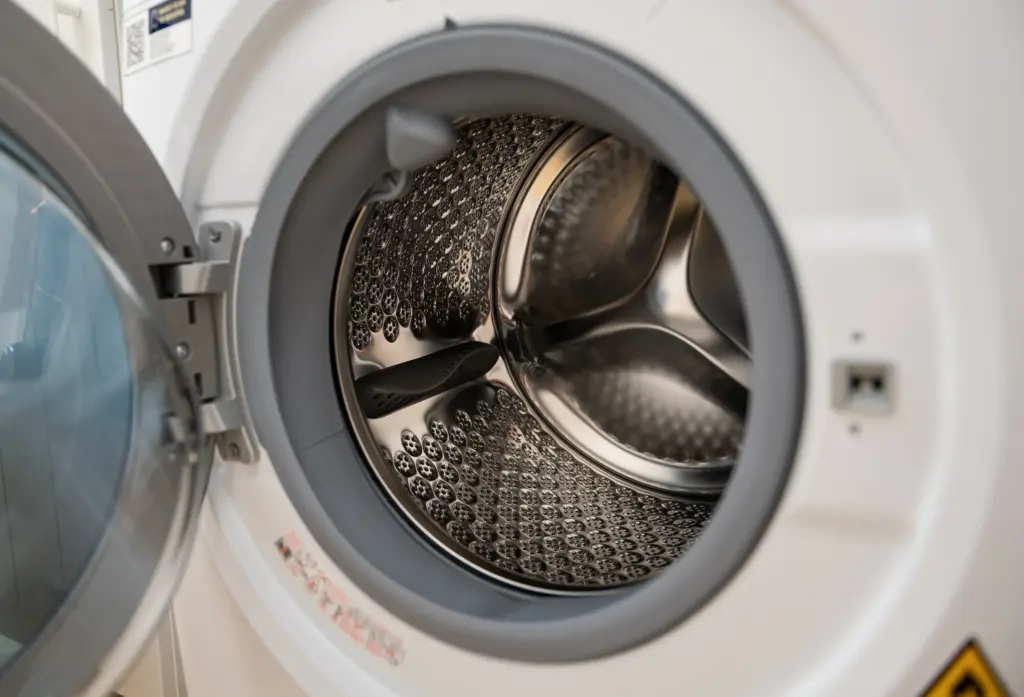
Mechanical movement is what physically works water and detergent through the fabric. In a front-load washer, the drum rotates slowly during the wash stage and lifts clothing before letting it fall through the water. This tumbling action cleans without requiring the drum to fill completely. Traditional top-load washers often use a central agitator that moves back and forth, pulling clothing through the wash water. High-efficiency top-load machines may use a low-profile impeller instead. These different designs explain why how does a washing machine work can vary from one model to another.
The motor powers this movement either directly or through belts, pulleys, or transmission components. Sensors and electronic controls regulate speed and direction. If the motor, belt, clutch, drive system, or related component fails, the washer may fill normally but refuse to agitate or tumble. A machine that makes grinding, squealing, or repeated clicking sounds may also have a mechanical problem. My Appliance Guy’s appliance repair projects include examples of laundry appliance problems where proper diagnosis was needed to identify the failed component rather than guessing from the symptom alone.
How A Washing Machine Drains Dirty Water
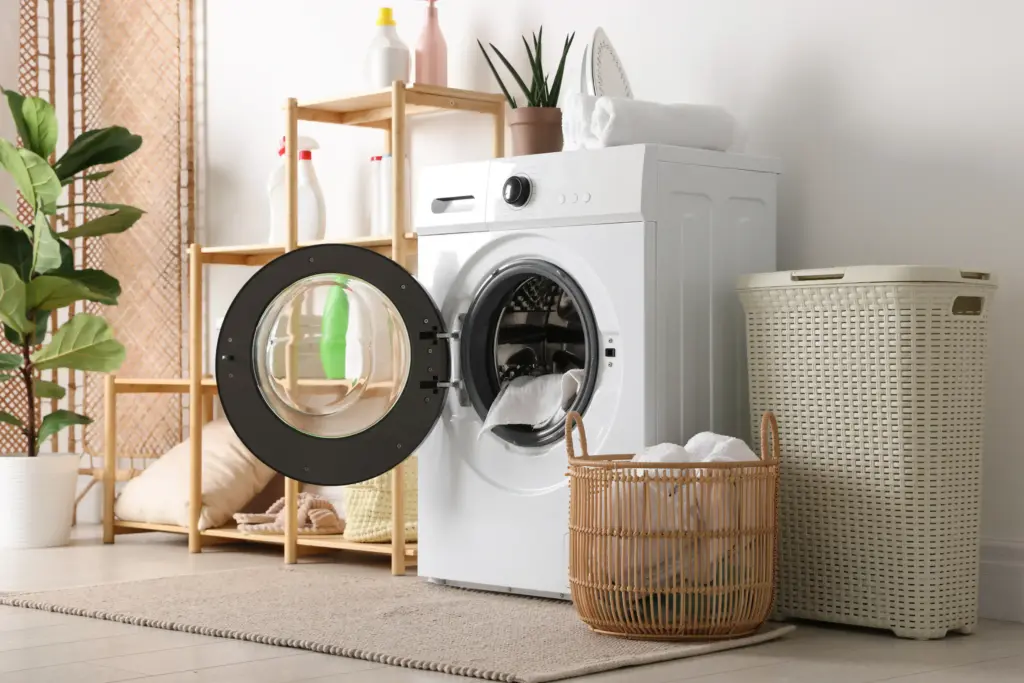
Drainage is another essential stage in how does a washing machine work. Once the wash portion ends, the control system activates the drain pump. The pump pushes dirty water from the tub through the drain hose and into the household drainage system. Some washers drain completely before rinsing, while others coordinate draining and spinning in stages. Filters or debris traps may help protect the pump from lint, coins, buttons, and other small objects, depending on the machine’s design.
A blocked hose, clogged pump filter, damaged drain pump, or control problem can leave standing water inside the drum. If the washer cannot drain properly, it may refuse to enter the high-speed spin stage. This is a safety feature because spinning a tub full of water could create excessive weight and vibration. Our guide on how to drain water from washing machine explains safe methods for removing standing water when the normal drain cycle fails. Understanding drainage makes how does a washing machine work much easier to follow as a complete process.
How The Rinse And Spin Cycles Work
After dirty water leaves the tub, the washer adds fresh water for rinsing. The clothing moves again so clean water can remove remaining detergent and loosened soil. Some cycles use one rinse, while others add extra rinses based on the selected settings. Fabric softener may also enter during this stage if the washer has a dispenser. Efficient rinsing depends on proper water flow, correct detergent amount, and enough movement to carry residue away from the fabric.
The final high-speed spin removes water from clothing through centrifugal force. As the drum or basket rotates rapidly, water moves outward through small openings and is pumped away. This is one of the most important parts of how does a washing machine work because effective spinning reduces drying time afterward. If clothes remain dripping wet, the washer may have an unbalanced load, weak motor, damaged suspension, drain problem, or spin-control issue. A washer that repeatedly refuses to spin normally should be inspected before the problem becomes worse.
How Sensors And Controls Manage The Cycle
Modern washers rely heavily on electronic controls and sensors. These systems monitor water level, temperature, drum speed, door position, balance, and cycle progress. The control board uses this information to decide when to fill, wash, drain, rinse, and spin. Many machines also adjust water and cycle time according to load size. Understanding these controls is an important part of how does a washing machine work because newer washers often make decisions automatically rather than following one fixed mechanical sequence.
Safety systems also play a major role. Front-load washers lock the door during operation, while many top-load machines lock the lid before high-speed spinning. Balance sensors can slow or stop the spin cycle when clothing collects unevenly on one side of the drum. If the washer displays repeated error codes or stops during the same stage every time, the problem may involve a sensor, switch, wiring connection, or control board. Our guide on how to reset a washing machine can help with temporary control issues, but repeated faults usually require diagnosis.
Why Understanding Washer Operation Helps With Troubleshooting
Learning how does a washing machine work makes common problems easier to recognize. A washer that will not fill may have an inlet, sensor, or supply issue. A machine that fills but will not move may have a drive-system problem. Standing water points toward drainage, while soaking-wet clothes can indicate a spin or balance issue. Unusual noises, leaks, repeated errors, or electrical smells can also help narrow the problem. This basic understanding does not replace professional testing, but it can help you describe symptoms more accurately.
So, how does a washing machine work? It follows a coordinated sequence of filling, washing, draining, rinsing, and spinning, with sensors and controls managing each stage. When one part fails, the entire cycle may stop or perform poorly. Keep loads properly sized, use the correct detergent, and pay attention to changes in normal operation. If your washer leaks, refuses to drain, stops spinning, or develops another mechanical problem, contact My Appliance Guy for professional washing machine repair throughout Northeast Ohio.