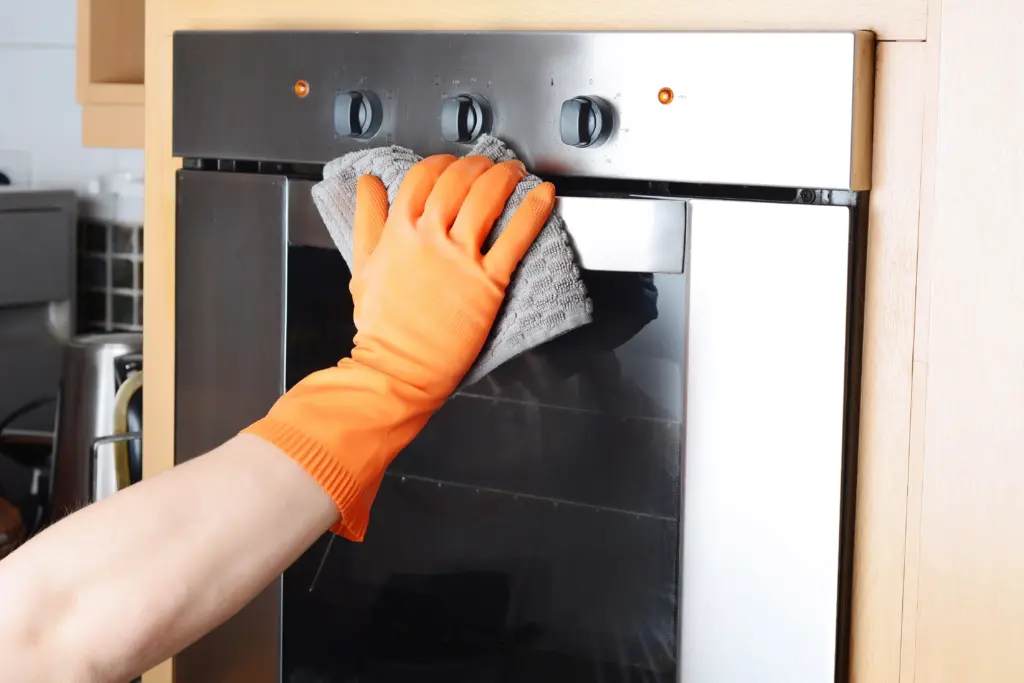
Stainless steel appliances add a modern and professional look to any kitchen, but fingerprints, smudges, grease, and water spots can quickly make them look dirty. To answer how do you clean stainless steel kitchen appliances, the safest method is to wipe the surface with a soft microfiber cloth, use a mild cleaning solution, clean in the direction of the grain, and dry the surface completely to prevent streaks. Regular cleaning helps maintain the appearance of stainless steel while protecting the finish from unnecessary wear and damage.
Many homeowners accidentally damage stainless steel by using abrasive pads, harsh chemicals, or incorrect cleaning techniques. While stainless steel is durable, it still requires proper care to preserve its appearance. Understanding how to clean and maintain these surfaces correctly can keep appliances looking newer for years while reducing the buildup of grease and grime that develops through daily kitchen use.
The Grain Of Stainless Steel
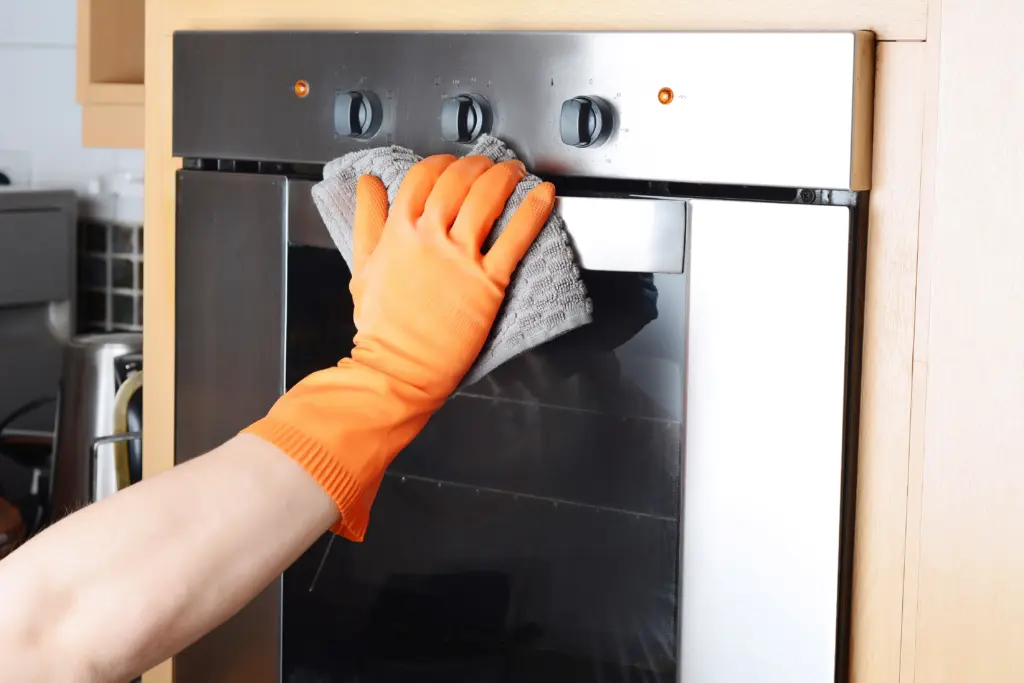
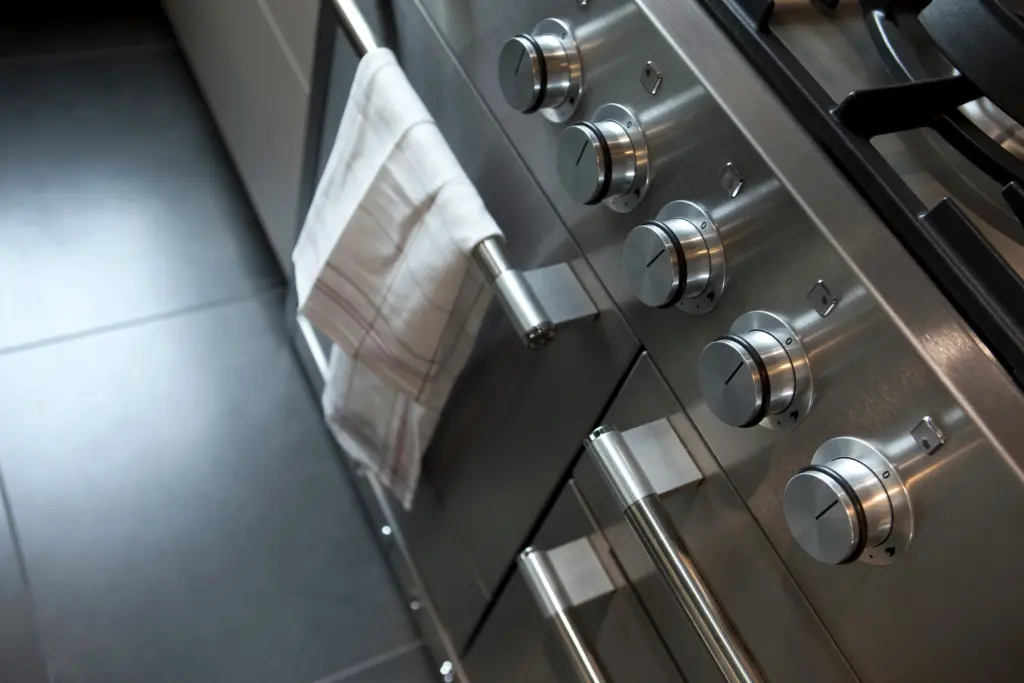
One of the most important aspects of cleaning stainless steel appliances is understanding the grain. Similar to wood, stainless steel has visible lines that run in a specific direction. These lines may run vertically or horizontally depending on the appliance manufacturer. Cleaning against the grain can leave streaks and make fingerprints more noticeable. Before cleaning, take a moment to identify the direction of the grain by examining the surface closely under good lighting. Wiping and polishing in the same direction as the grain helps remove dirt more effectively while maintaining a smooth appearance. Many homeowners who struggle with streaking problems find that simply following the grain dramatically improves results.
Once you know the grain direction, make it part of your routine every time you clean the appliance. This simple habit can make stainless steel surfaces look cleaner with less effort and fewer cleaning products.
Removing Everyday Fingerprints And Smudges
Fingerprints are one of the most common complaints among stainless steel appliance owners. Refrigerators, dishwashers, microwaves, and ovens are touched repeatedly throughout the day, making smudges difficult to avoid. Fortunately, most fingerprints can be removed using nothing more than a damp microfiber cloth followed by a dry cloth. The microfiber material helps lift oils and dirt without scratching the surface.
For heavier fingerprint buildup, a small amount of mild dish soap mixed with warm water can provide additional cleaning power. Apply the solution to the cloth rather than directly onto the appliance. Wipe gently along the grain, then remove any remaining residue with a clean damp cloth. Drying the surface immediately afterward helps prevent streaks and water spots from forming.
How To Remove Grease And Cooking Residue
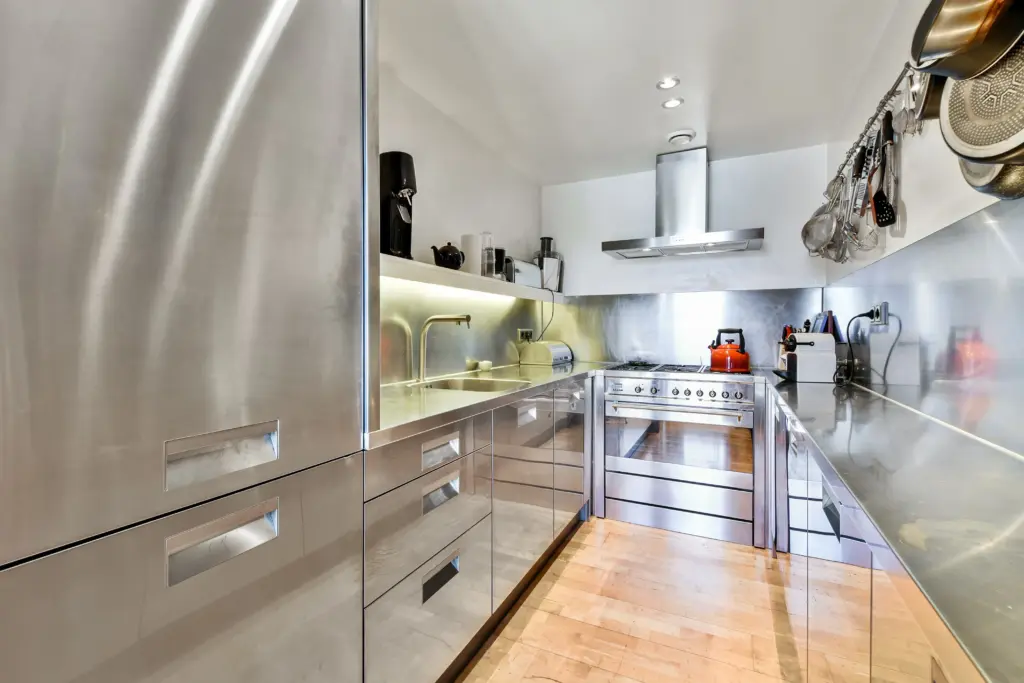
Kitchen appliances located near cooktops and ranges often accumulate grease over time. Airborne cooking oils settle onto surfaces and create a sticky film that attracts dust and dirt. Grease buildup can be especially noticeable on refrigerator doors, microwave exteriors, and range hoods. Removing grease requires more than a quick wipe because oily residue tends to cling to the stainless steel finish.
A mixture of warm water and mild dish detergent is usually effective for cutting through grease without damaging the surface. Use a soft microfiber cloth and work slowly across affected areas. Stubborn spots may require multiple passes, but aggressive scrubbing should be avoided. Cleaning grease regularly prevents thick buildup and keeps appliances looking polished instead of dull.
Choosing Safe Cleaning Products
Many cleaning products claim to work on stainless steel, but not all are equally safe. Abrasive powders, steel wool, chlorine-based cleaners, and harsh chemicals can damage the protective finish and create scratches that become more noticeable over time. When selecting a cleaning product, choose one specifically designed for stainless steel or use simple household solutions that are known to be safe.
The Environmental Protection Agency’s Safer Choice Program provides information about cleaning products that contain safer ingredients for household use. Using appropriate products helps protect both the appliance surface and the indoor environment. In many cases, simple cleaning solutions work just as effectively as expensive specialty products.
Preventing Water Spots And Streaks
Water spots are another common issue that affects stainless steel appliances. These spots develop when water evaporates and leaves behind mineral deposits. Hard water areas are especially prone to this problem. Even after cleaning, an appliance may still appear dirty if water spots remain visible on the surface.
The best way to prevent streaks and spotting is to dry the appliance immediately after cleaning. A clean microfiber cloth works well for this step. Buffing lightly in the direction of the grain creates a more polished appearance and helps remove any remaining moisture. Developing a habit of drying surfaces after cleaning can dramatically improve the overall look of stainless steel appliances.
Maintaining Stainless Steel Refrigerators And Water Dispensers
Refrigerators are often the most visible stainless steel appliance in a kitchen, making proper maintenance especially important. Water dispensers and ice dispensers require additional attention because they frequently collect fingerprints, water spots, and mineral deposits. Homeowners who regularly use refrigerator water dispensers may notice residue developing around the dispensing area.
Cleaning these components regularly helps maintain appearance and hygiene. Those looking for more detailed instructions can review how to clean refrigerator water dispenser. Proper dispenser maintenance complements routine stainless steel cleaning and helps keep the entire appliance looking its best.
Creating A Long-Term Appliance Care Routine
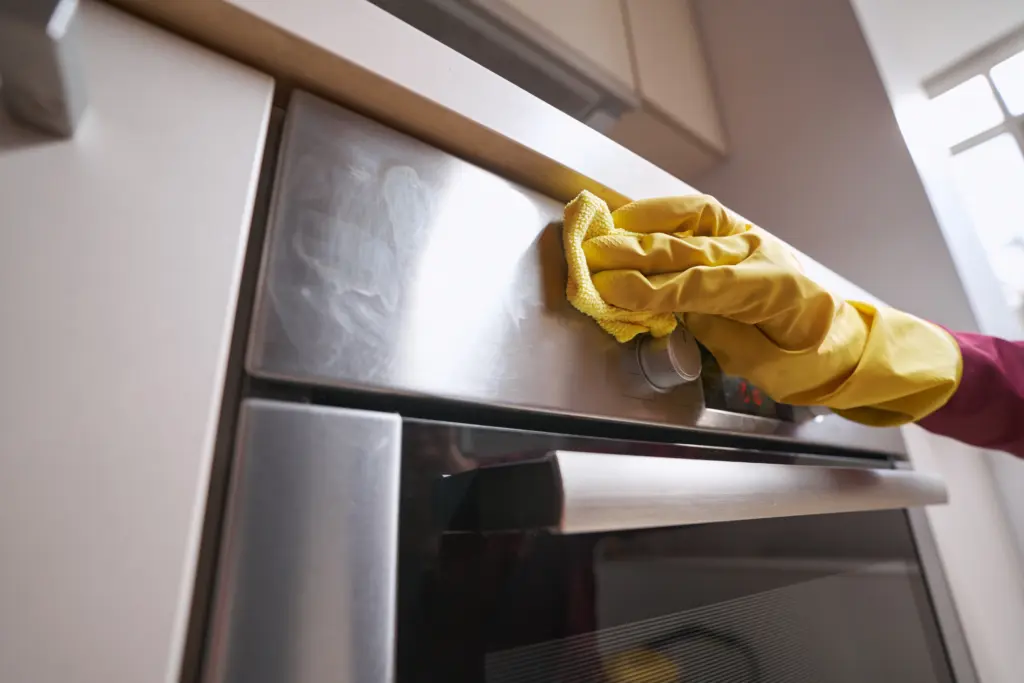
One of the best ways to keep stainless steel appliances looking new is to establish a simple maintenance routine. Waiting until surfaces become heavily soiled often makes cleaning more difficult and time-consuming. A quick wipe-down every few days can prevent fingerprints, grease, and water spots from accumulating.
Appliance manufacturers generally recommend gentle cleaning methods and avoiding abrasive materials. The National Institute of Standards and Technology provides resources related to materials and surface care through its website at NIST.gov. Consistent maintenance not only improves appearance but can also help preserve appliance value and extend the life of exterior finishes.
Common Mistakes To Avoid When Cleaning Stainless Steel
Many cleaning problems result from good intentions combined with the wrong techniques. Using paper towels repeatedly can leave lint behind and sometimes create minor scratches. Applying cleaner directly onto the appliance may cause streaking or leave residue in seams and edges. Harsh scrubbing pads can permanently damage the finish and make fingerprints more noticeable.
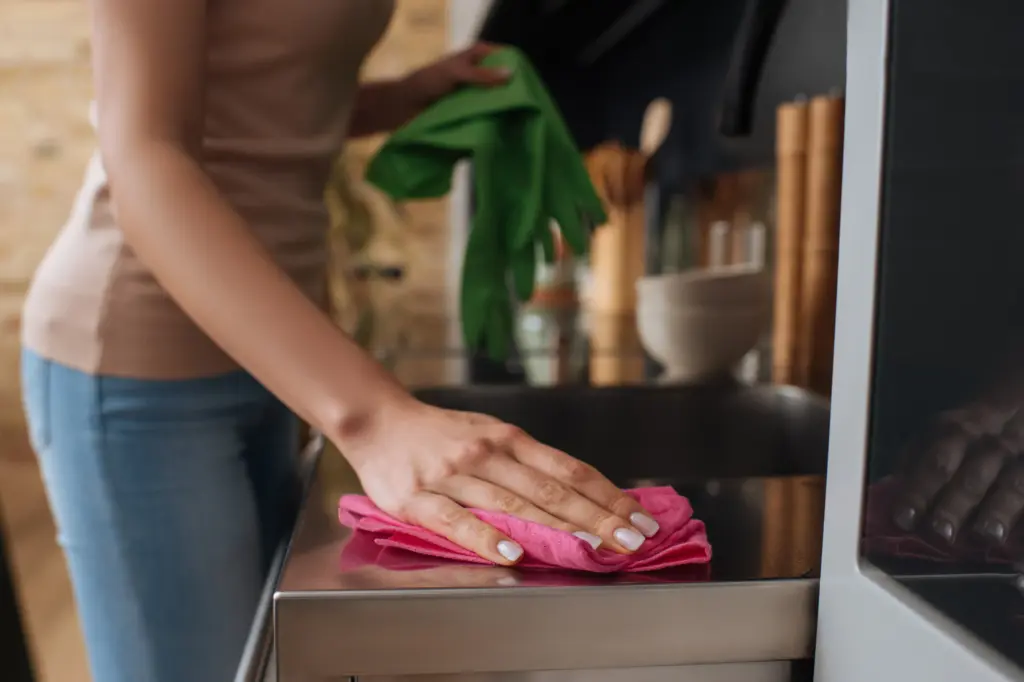
Another common mistake is ignoring spills and splatters for long periods. The longer contaminants remain on the surface, the more difficult they become to remove. Using gentle products, cleaning along the grain, and drying thoroughly afterward are simple practices that prevent most stainless steel maintenance problems.
Final Thoughts
Keeping stainless steel appliances clean helps protect their finish, improve the appearance of your kitchen, and prevent the buildup of grease, fingerprints, and water spots. Regular maintenance using gentle cleaning methods can keep refrigerators, dishwashers, microwaves, and other appliances looking their best for years. Homeowners who need appliance maintenance or repair assistance in Northeast Ohio can turn to My Appliance Guy for professional service and expert support. Call (440) 409-4541 to schedule an appointment and keep your kitchen appliances operating and looking their best.