
Putting dirty footwear into a washer may sound convenient, but not every pair can handle water, detergent, and drum movement. So, can you put shoes in the washing machine? Some canvas, cotton, nylon, and polyester shoes may be machine washable. However, the shoe manufacturer’s care instructions should always guide your decision.
Leather, suede, embellished footwear, structured shoes, and pairs with delicate glued components usually need another cleaning method. Even washable shoes require careful preparation. Removing dirt, laces, and insoles helps protect the footwear and washing machine during the cycle. This guide explains which shoes may be washable, how to prepare them, which settings to use, and how to dry them safely. It also covers common mistakes that can damage shoes or place unnecessary strain on the washer.
Which Shoe Materials Can Go In The Washer?
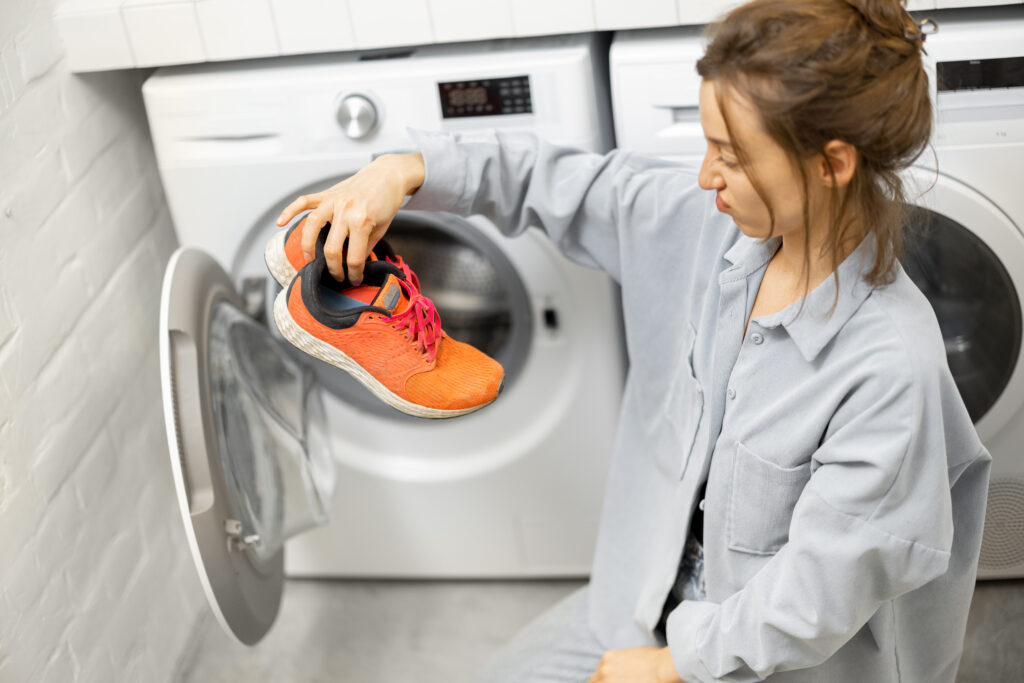
Before tossing your shoes into the washing machine, it’s essential to determine if they’re suitable for machine washing. Shoes made from durable fabrics like canvas, nylon, and polyester are generally safe to wash in a machine. These materials are resilient and can withstand the agitation and spinning of the machine without significant damage.
On the other hand, shoes made of leather, suede, or delicate materials should never go in the washing machine. These materials are sensitive to water and detergents, which can cause discoloration, warping, or even permanent damage. Similarly, shoes with intricate designs, glued soles, or delicate embellishments may not hold up well in the machine. Always check the care label or manufacturer’s instructions for guidance on cleaning your specific type of shoes.
The Risks of Machine Washing Shoes
While washing shoes in the machine can save time, it’s not without risks. First, the agitation and high-speed spinning in the washing machine can cause wear and tear on your shoes, particularly if they’re not designed for machine washing. Loose stitching, broken eyelets, or warped soles are common issues.
The washing machine itself can also suffer damage. The heavy weight of wet shoes can throw the drum off balance during the spin cycle, potentially leading to mechanical issues. Hard soles or metal parts on the shoes can scratch or dent the drum. Moreover, certain detergents may not be suitable for use on shoes and could lead to discoloration or material degradation.
Preparing Shoes for Washing
Proper preparation is crucial to minimize risks and achieve the best results when washing shoes in the machine. Start by removing the laces and insoles. Laces can tangle during the cycle, and insoles, often made of foam or fabric, may absorb excessive water and take longer to dry. Next, use a soft brush or cloth to remove dirt, mud, and debris from the surface of the shoes. This step prevents loose dirt from clogging your machine and ensures a more effective cleaning process.
Placing the shoes in a mesh laundry bag or pillowcase is another essential step. This protects the shoes from excessive agitation and prevents them from damaging the drum. Adding a few towels to the load can help balance the weight and cushion the shoes during the cycle.
Washing Shoes in the Machine
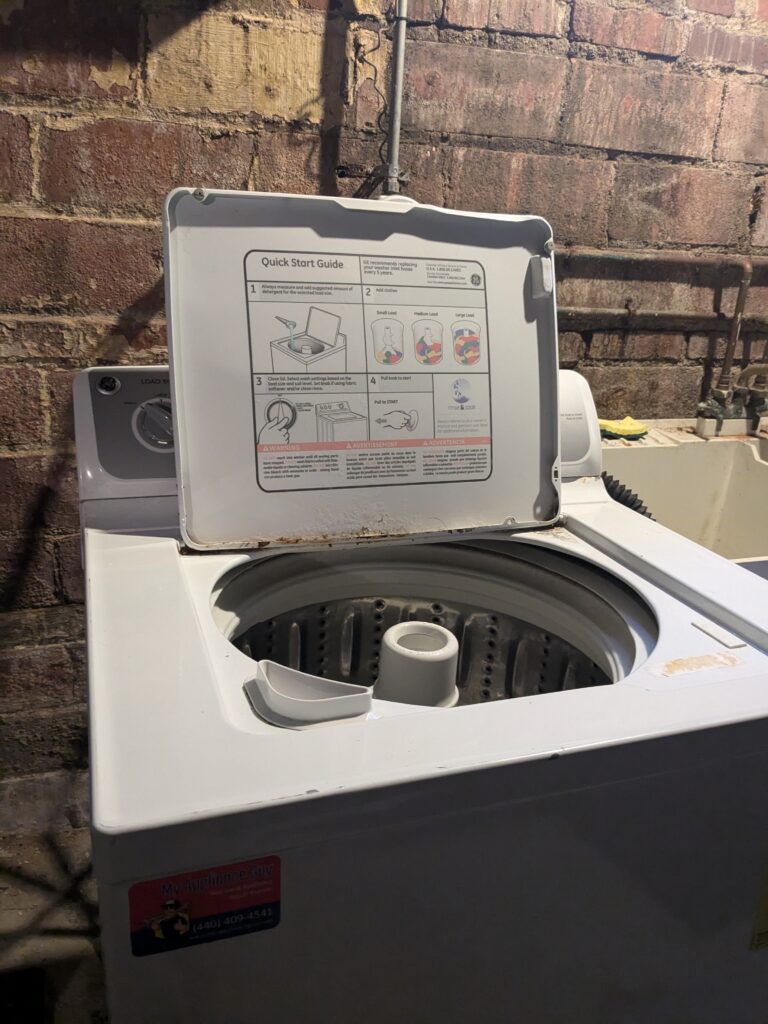
When washing shoes, use a gentle cycle with cold water to minimize wear and tear. Hot water can cause certain materials to shrink or warp, while a high-spin cycle increases the risk of damage. Choose a mild detergent, preferably one designed for delicate fabrics, to prevent harsh chemical reactions.
Avoid overloading the machine. Washing only one or two pairs of shoes at a time is best to ensure even cleaning and reduce strain on the machine. If your washing machine has a specific setting for delicates or hand-wash, use it. These settings are gentler and reduce the risk of damage to both the shoes and the machine.
Drying Shoes After Washing
Drying shoes properly is just as important as washing them. Avoid putting them in the dryer, as the high heat can warp the shape, shrink materials, or weaken adhesives. Instead, air drying is the safest option. Stuff the shoes with paper towels or clean rags to help them retain their shape and absorb excess water. Place them in a well-ventilated area, away from direct sunlight or heat sources, which can cause discoloration or material damage. Depending on the material, drying times may vary. Canvas and nylon shoes typically dry faster than leather or foam-based materials.
Alternatives to Machine Washing
If you’re concerned about the risks of washing shoes in the machine, consider alternative cleaning methods. Hand washing is a gentler option that allows you to clean specific areas without subjecting the entire shoe to water and detergent. To hand wash shoes, mix a small amount of mild detergent with water and use a soft brush or cloth to scrub the surface. Rinse with a damp cloth and let the shoes air dry.
For leather or suede shoes, specialized cleaning products are available. These products are designed to clean without damaging sensitive materials. Always follow the manufacturer’s instructions for the best results.
Maintenance Tips to Keep Shoes Clean
Regular maintenance can help reduce the need for frequent washing. After each use, especially for athletic or outdoor shoes, remove dirt and debris with a brush or damp cloth. Using a shoe deodorizer or odor-absorbing insoles can keep your shoes smelling fresh and reduce the buildup of bacteria. Waterproof sprays can also protect shoes from stains and water damage, making them easier to clean. For heavily soiled shoes, consider spot cleaning instead of washing the entire shoe. This approach targets specific areas and minimizes exposure to water and detergents.
When Not to Machine Wash Shoes
There are times when machine washing is simply not the best option. For valuable or sentimental shoes, professional cleaning services may be a safer alternative. These services use specialized techniques to clean without risking damage. If your shoes have significant wear, such as loose soles or torn fabric, washing them in the machine can worsen the damage. In such cases, repairing or replacing the shoes may be a better choice.
Final Thoughts
So, can you put shoes in the washing machine? Some canvas, cotton, nylon, and polyester footwear may tolerate a cold, gentle cycle. However, approval from the shoe manufacturer remains essential. Material, adhesive, construction, trim, and existing damage all affect whether machine washing is suitable.
Remove loose dirt, laces, and insoles before washing. Use a mesh bag, old towels, liquid detergent, and a slow-spin setting. Air dry the shoes unless their instructions permit another method. Choose hand cleaning for leather, suede, structured, embellished, or uncertain footwear. If the washer develops persistent noise, leaks, or spin trouble, contact My Appliance Guy or call (440) 409-4541.