How much water does laundry machine use during a normal cycle? A modern high-efficiency washing machine may use roughly 12 to 20 gallons of water per load, while older top-load washers can use 30 to 40 gallons or more. The exact amount depends on the washer design, load size, capacity, cycle setting, and age. Front-load washers usually use less water because they tumble clothes through a smaller amount of water instead of filling most of the tub. High-efficiency top-load models can also reduce water use compared with traditional agitator machines.
When estimating how much water does laundry machine use in your home, look at the specific appliance instead of relying on one number for every washer. Two machines with similar capacities can still use different amounts of water because their sensors, wash systems, and cycle programming differ. The selected cycle matters too. A normal cycle may use much less water than a deep-fill or extra-rinse option. Over dozens of loads each month, even a small difference in gallons per cycle can create a noticeable change in total household water consumption.
Front-Load Laundry Machines Usually Use Less Water
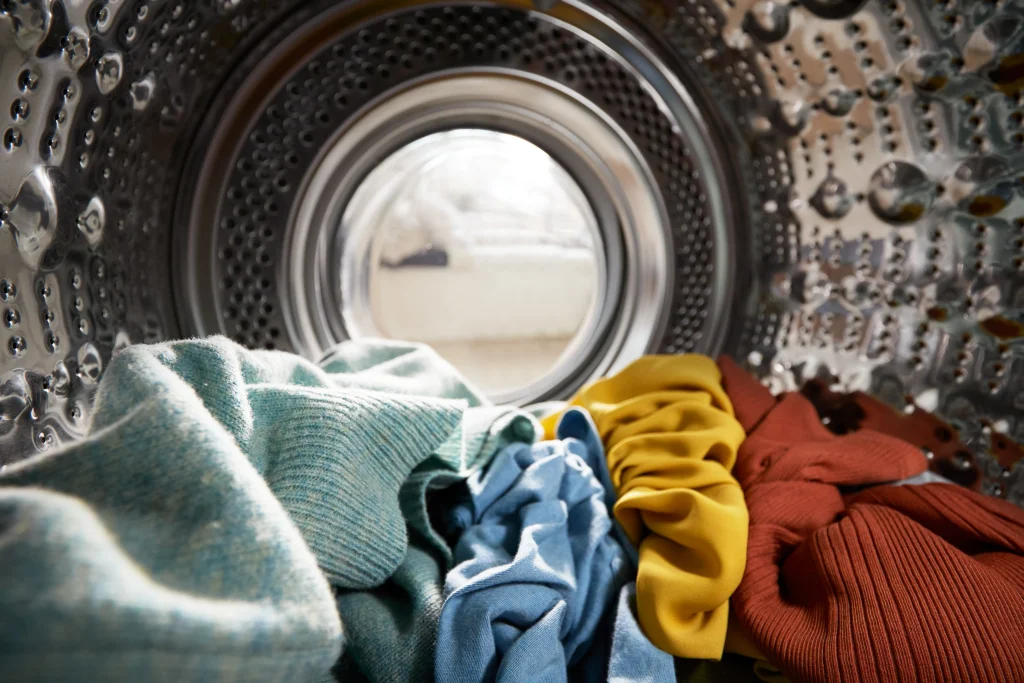
Front-load washers are among the most water-efficient laundry machines available. They rotate the drum horizontally and repeatedly lift clothing before allowing it to fall through a shallow pool of water. Because the clothes do not need to remain fully submerged, the machine can clean effectively without filling a deep tub. This design is one reason how much water does laundry machine use can be much lower with a front-loader than with a traditional top-load model.
Many front-load machines also use sensors to estimate load size and adjust the amount of water automatically. A small load may receive less water than a full load, while heavier items may trigger changes in cycle time or water level. The Wikipedia overview of washing machines explains the differences between front-loading and top-loading designs and how modern washers have evolved. If your front-load washer suddenly begins overfilling, underfilling, or leaking, professional washing machine service can identify whether a valve, sensor, hose, or control problem is affecting normal operation.
Top-Load Washers Can Use More Water
Traditional top-load washers often use more water because they fill a larger portion of the tub and move clothing around a central agitator. Older models can easily use 30 gallons or more during a full cycle. Newer top-load machines with impellers and high-efficiency controls generally use less. Therefore, how much water does laundry machine use depends heavily on whether the washer is a conventional agitator design or a newer high-efficiency model.
Manual water-level controls also affect top-load consumption. Some older machines allow users to select small, medium, large, or extra-large water levels. Choosing the highest setting for every load can waste water when the drum is only partially filled with clothes. Newer washers often handle this automatically with load sensors. If your top-load washer repeatedly fills too high or appears to use much more water than it once did, the problem may involve the water-level sensing system rather than the age of the machine alone.

Load Size Changes Water Consumption
Load size has a direct effect on how much water does laundry machine use, especially in newer models with automatic sensing. A small load may need far less water than a large one. Sensors estimate the amount of laundry in the drum and adjust the fill level accordingly. This system helps prevent the washer from using a full tub of water for only a few shirts. It also allows high-efficiency machines to clean effectively with lower average water consumption.
However, running many very small loads can still increase total water use across the week. Combining compatible clothes into properly sized loads is often more efficient than washing only a few garments at a time. Overloading is not the answer either. Clothes need enough space to move, rinse, and spin correctly. An overloaded washer may leave detergent behind or require another wash cycle. When considering how much water does laundry machine use, both load size and washing frequency should be part of the calculation.
Cycle Settings Can Increase Water Use
Different wash programs can significantly change how much water does laundry machine use. A standard cycle usually balances cleaning performance with water and energy efficiency. Heavy-duty, bedding, bulky-item, deep-water, and extra-rinse settings can use more water because they increase fill levels or add additional rinse stages. These settings are useful when the load actually needs them, but selecting them for everyday clothing can increase water use unnecessarily.
Eco cycles may take longer while still using less water. That can seem counterintuitive because many people assume shorter cycles are always more efficient. In reality, eco programs may rely on longer soaking, slower heating, and controlled movement to reduce resource use. Extra rinses can also add several gallons depending on the washer. If you are trying to reduce how much water does laundry machine use, choose the least intensive cycle that still matches the fabric type and soil level.
Older Laundry Machines Often Use More Water
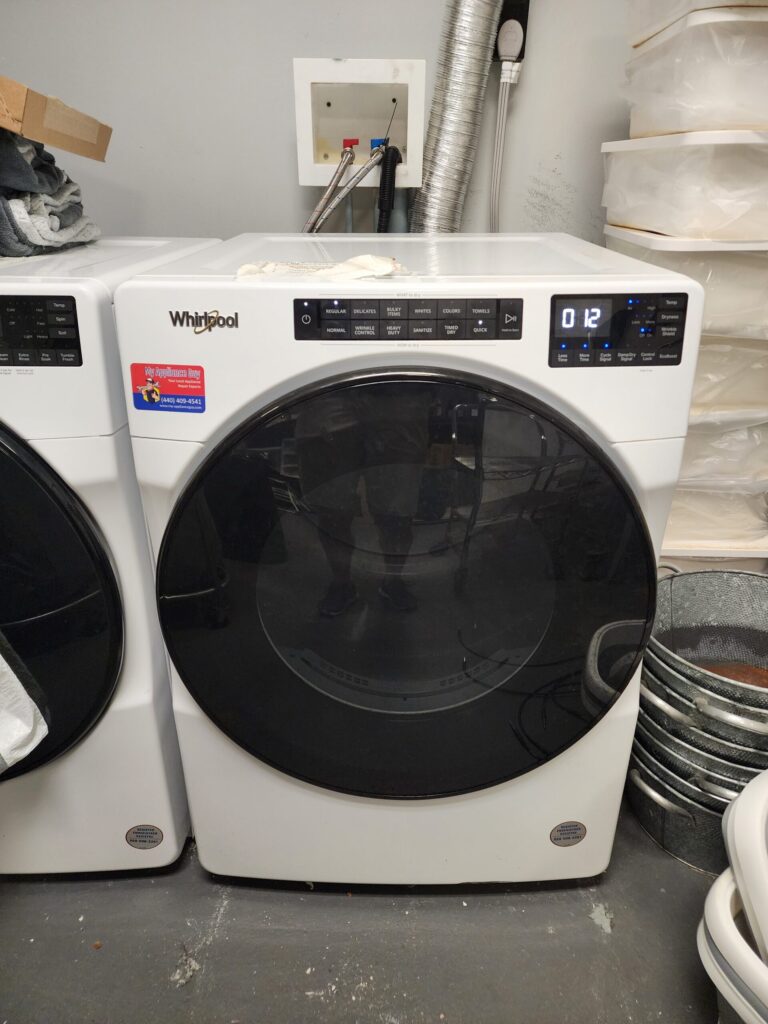
Older washers were generally designed before modern efficiency standards became common. Many traditional machines use a fixed or manually selected water level that fills a large part of the tub regardless of how efficiently that water is used. As a result, how much water does laundry machine use can be much higher with an older appliance. A machine using 35 gallons per load could consume 3,500 gallons after 100 cycles, while a 15-gallon washer would use only 1,500 gallons over the same number of loads.
That difference does not automatically mean every older washer should be replaced. A reliable machine that still cleans well may continue providing useful service. However, water consumption becomes more important when an aging washer also starts needing repeated repairs. My Appliance Guy’s appliance repair projects include examples of washer problems involving drainage, filling, leaks, and other systems. If an older machine suddenly changes its water-use pattern, diagnosis can help determine whether the issue is normal design or a failing component.
Signs Your Laundry Machine May Be Using Too Much Water
A sudden change in how much water does laundry machine use can indicate a malfunction. Watch for a washer that fills higher than usual, continues adding water for too long, repeatedly fills and drains, or overflows. These symptoms can involve the inlet valve, pressure switch, water-level sensor, control board, or related tubing. A washer that uses excessive water can also take longer to complete cycles and may create unusually wet loads.
Leaks can increase water use without immediately affecting the wash cycle. Check around supply hoses, hose connections, the bottom of the cabinet, and the floor near the machine. Moisture appearing during filling or draining should be investigated. If water continues entering the washer even after the appliance is turned off, shut off the supply valves. Our guide on how to drain water from washing machine can help when a drainage problem leaves standing water inside the drum.
Reduce Laundry Water Use Without Sacrificing Cleaning
You can reduce how much water does laundry machine use by choosing properly sized loads, using normal or eco cycles when appropriate, and avoiding unnecessary extra rinses. Use the correct amount of detergent because excess suds can interfere with rinsing and may cause the machine to extend the cycle. High-efficiency washers should use HE detergent so the machine can clean properly with less water. Also check pockets and remove excessive dirt before washing to reduce the need for repeat cycles.
So, how much water does laundry machine use? A modern efficient washer often uses around 12 to 20 gallons per load, while older top-load machines may use 30 to 40 gallons or more. The exact figure depends on washer design, cycle settings, load size, and appliance condition. If your washer suddenly overfills, leaks, drains poorly, or changes its normal water use, contact My Appliance Guy for professional washing machine repair throughout Northeast Ohio.