A dishwasher that will not drain properly can leave standing water at the bottom of the tub, create unpleasant odors, and prevent dishes from coming out clean. To answer how to fix a clogged dishwasher, homeowners should inspect and clean the filter, check the drain area, examine the drain hose, verify the garbage disposal connection, and remove any debris restricting water flow. Most dishwasher clogs develop gradually, and addressing them early can prevent larger repair issues while restoring the appliance’s performance.
Dishwashers depend on a combination of pumps, filters, spray arms, and drainage components to move water through the machine efficiently. When one part becomes blocked by food particles, grease, soap residue, or mineral buildup, the entire drainage process can be affected. Understanding where clogs typically occur and how to address them safely can save time, reduce repair costs, and extend the life of the appliance.
Recognizing The Warning Signs Of A Dishwasher Clog
Before learning how to fix a clogged dishwasher, it helps to recognize the symptoms that indicate a blockage may be present. Standing water in the bottom of the tub after a cycle is one of the most obvious signs. Homeowners may also notice dishes coming out dirty, unpleasant smells inside the appliance, longer cycle times, or unusual sounds during draining. In some cases, water may back up into the sink when the dishwasher attempts to drain. These symptoms often begin gradually and worsen over time as debris continues to accumulate. Paying attention to these warning signs can help prevent a minor drainage restriction from becoming a major repair issue.
Many people assume a dishwasher pump has failed when drainage problems appear, but simple clogs are often the actual cause. Performing a basic inspection before scheduling repairs can sometimes resolve the issue quickly and restore normal operation.
Cleaning The Dishwasher Filter Thoroughly
The dishwasher filter is the most common location for a clog because it is designed to capture food particles before they enter the drainage system. As grease, food residue, and debris collect in the filter, water flow becomes restricted and drainage efficiency decreases. Over time, this buildup can create odors and allow food particles to redeposit onto dishes during wash cycles.
Remove the lower rack and locate the filter at the bottom of the appliance. Most filters twist out easily, although designs vary between manufacturers. Rinse the filter under warm water and use a soft brush to remove stubborn buildup. Pay attention to mesh sections where small particles often become trapped. Cleaning the filter regularly not only helps fix existing drainage problems but also reduces the likelihood of future clogs developing.
Inspecting The Drain Area Beneath The Filter
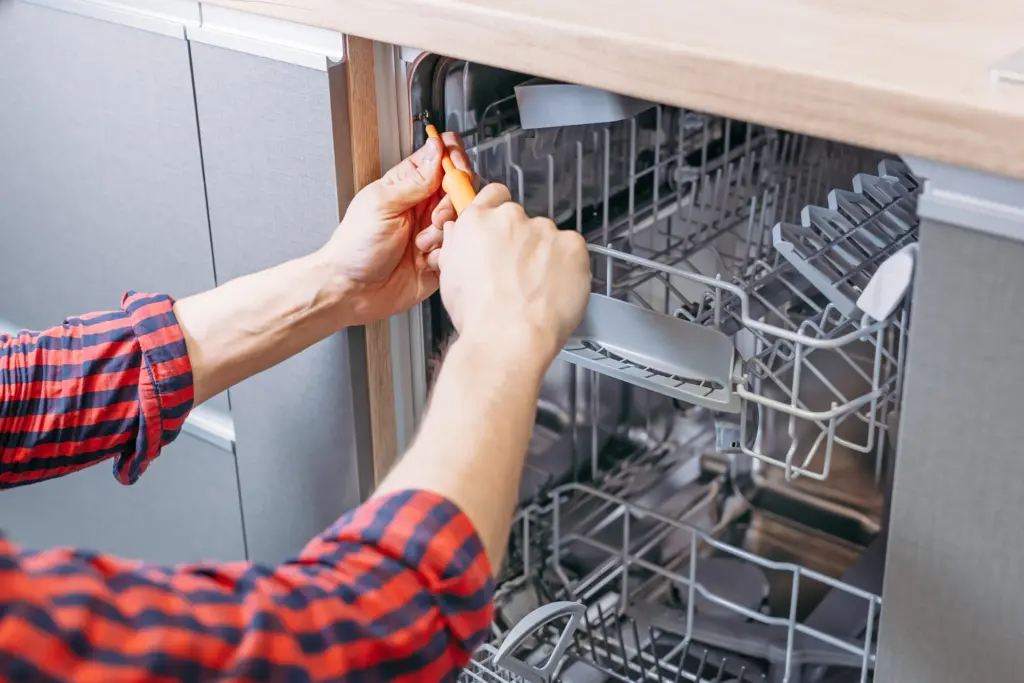
Once the filter has been removed, the drain area beneath it should be inspected carefully. Small pieces of food, broken glass, labels from containers, and other debris often collect around the drain opening. Even a partially blocked drain can slow water movement and create standing water inside the dishwasher.
Use a flashlight to inspect the area thoroughly. If water is present, remove as much as possible with a towel or small container before checking for obstructions. Carefully remove any visible debris and ensure the drain opening is clear. This simple step is frequently overlooked but often solves drainage problems without requiring additional repairs or replacement parts.
Checking The Spray Arms For Restricted Water Flow
Spray arms help circulate water throughout the dishwasher, and blockages in these components can contribute to cleaning and drainage issues. Food particles, mineral deposits, and grease can clog the small holes in the spray arms, reducing water pressure and preventing effective rinsing. When debris remains on dishes, more particles enter the filter and drain system, increasing the likelihood of a clog.
Remove the spray arms if the dishwasher design allows and inspect each opening carefully. A soft brush, toothpick, or similar tool can help remove debris without damaging the spray arm. Restoring proper water circulation improves overall cleaning performance and reduces stress on the drainage system.
Examining The Drain Hose For Blockages
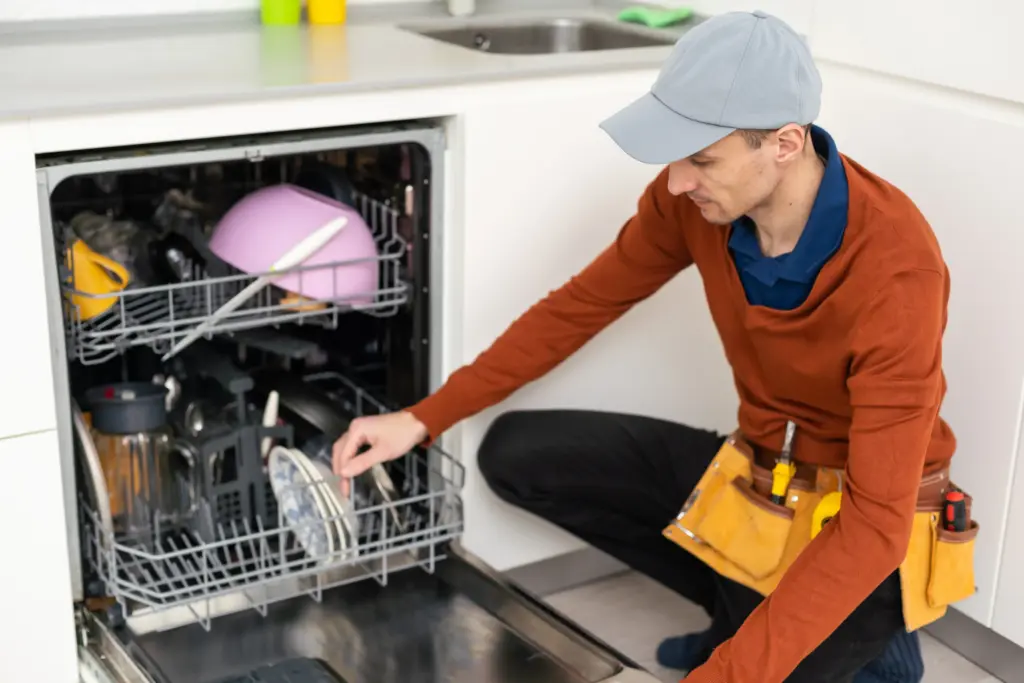
The drain hose carries wastewater from the dishwasher to the household plumbing system. Because it handles grease, soap residue, and food particles, it can develop blockages over time. A kinked or crushed hose can create similar symptoms by restricting water flow even when no physical clog is present.
Disconnect power to the dishwasher before inspecting the hose. Check for sharp bends, visible damage, or accumulated debris. If possible, disconnect the hose and flush it with water to remove buildup. Homeowners researching how to fix a clogged dishwasher are often surprised to discover that a hidden drain hose blockage is responsible for persistent drainage issues that cleaning the filter alone could not resolve.
Checking The Garbage Disposal Connection
Many dishwashers drain through a connection attached to the garbage disposal. If the disposal is clogged or the connection becomes blocked, wastewater cannot leave the dishwasher efficiently. This is particularly common after a new garbage disposal installation when the knockout plug inside the dishwasher inlet has not been removed.
Run the garbage disposal to ensure it is clear and functioning properly. Inspect the dishwasher connection point for obstructions and verify that water can move freely between the two appliances. Problems at this connection often create symptoms that closely resemble a clogged dishwasher even though the actual blockage exists outside the appliance.
Preventing Future Dishwasher Drainage Problems
Once the clog has been removed, preventive maintenance becomes essential. Scraping large food particles from dishes before loading them helps reduce the amount of debris entering the dishwasher. Cleaning the filter regularly and inspecting spray arms periodically can prevent buildup from reaching problematic levels.
The Environmental Protection Agency’s Safer Choice Program provides information about cleaning products that can be used safely around household appliances. In addition, FoodSafety.gov offers guidance on maintaining clean kitchen environments through proper sanitation practices. Consistent maintenance helps improve appliance performance while reducing the risk of recurring drainage issues.
Knowing When A Dishwasher Needs Professional Attention
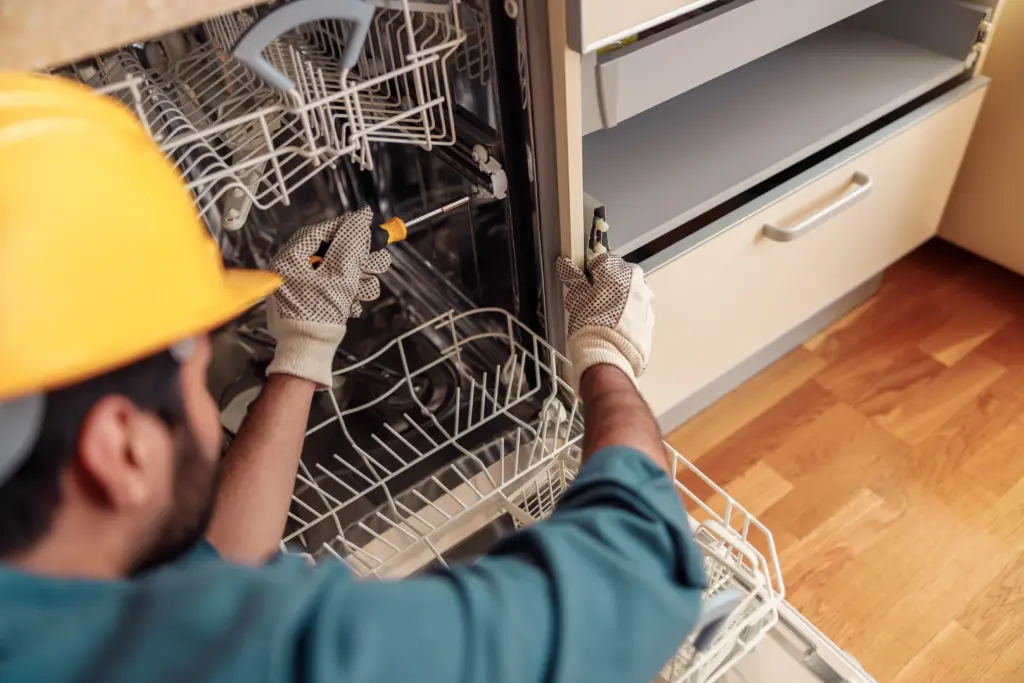
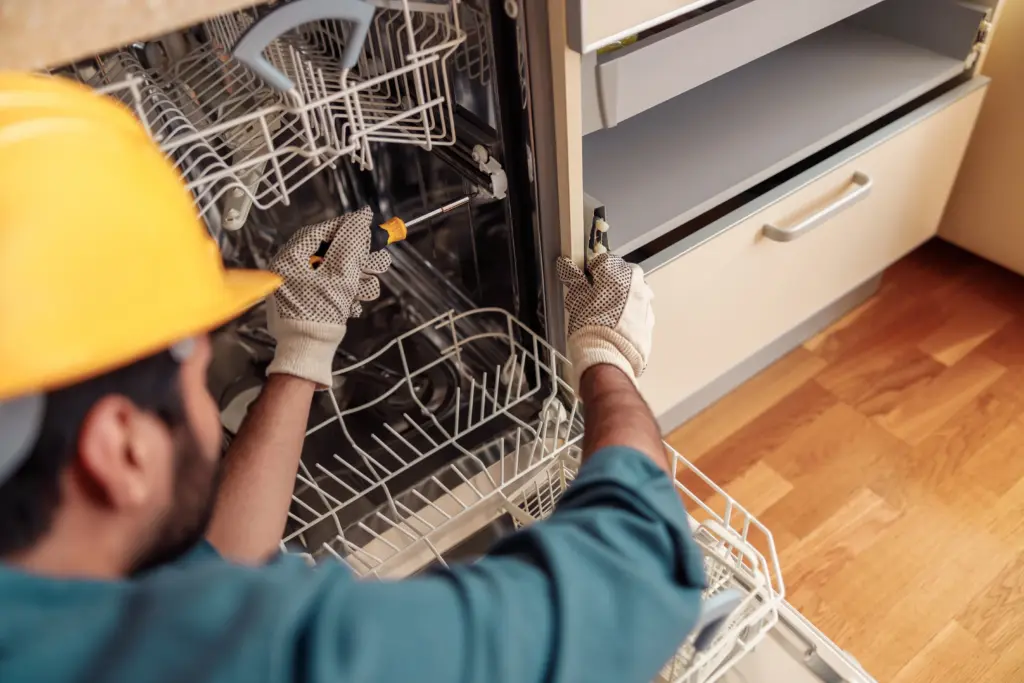
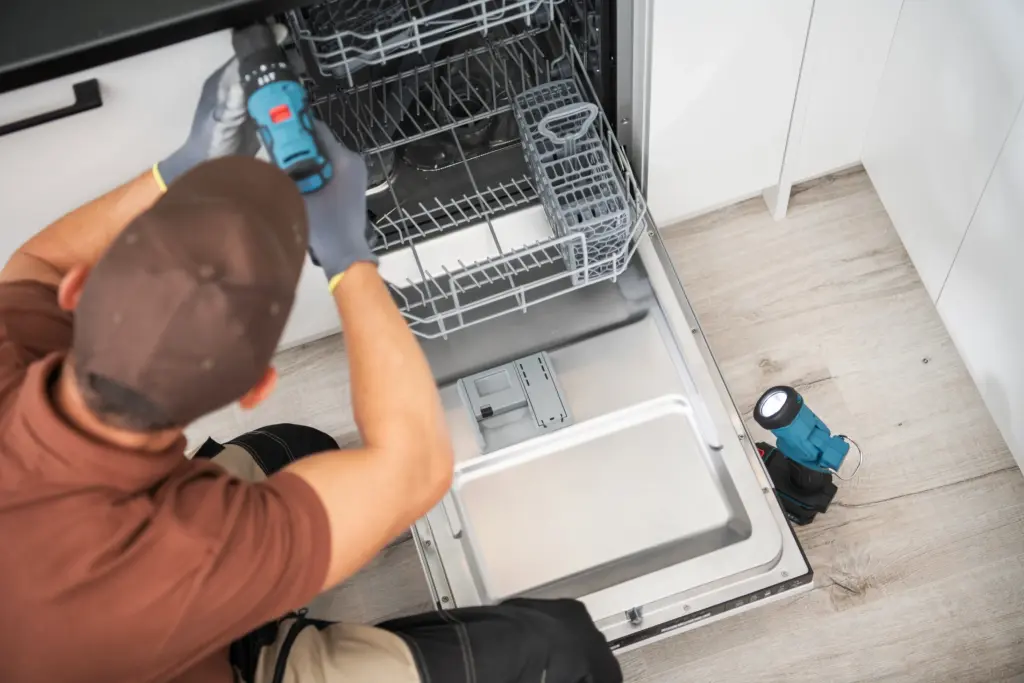
Not every drainage issue can be solved through cleaning and basic maintenance. If standing water remains after the filter, drain, spray arms, hose, and disposal connection have been inspected, a mechanical problem may be present. Issues involving drain pumps, check valves, electrical controls, or internal plumbing components often require specialized tools and diagnostic procedures.
Homeowners who are unsure where to turn for assistance can learn more by visiting who fixes dishwasher. Understanding when to transition from troubleshooting to professional service can prevent unnecessary part replacement and reduce overall repair costs.
Final Thoughts
Learning how to fix a clogged dishwasher starts with identifying where the water flow is being restricted. Filters, drain openings, spray arms, drain hoses, and garbage disposal connections are among the most common sources of blockages. Regular maintenance and early intervention can prevent many drainage problems before they affect cleaning performance. Homeowners throughout Northeast Ohio who need professional dishwasher service can visit My Appliance Guy or call (440) 409-4541 for expert diagnosis and repair assistance.