
Refrigerators are among the most important appliances in any home because they run continuously to keep food safe and fresh. In most homes, the answer to how long should a refrigerator last is typically between 10 and 15 years when the appliance is properly maintained and used under normal conditions. This lifespan can vary depending on several factors such as maintenance habits, the environment where the appliance operates, and the overall build quality of the refrigerator. Some units remain reliable for close to two decades with good care, while others may show signs of failure earlier if maintenance is neglected or usage is extremely heavy.
Because refrigerators run 24 hours a day, they experience more wear than most household appliances. The compressor cycles constantly, fans move air throughout the unit, and electronic controls monitor temperature to maintain safe food storage. Over time these parts naturally experience wear. Understanding the factors that influence refrigerator lifespan helps homeowners make better decisions about maintenance, repairs, and eventual replacement.
Average Lifespan Of A Refrigerator
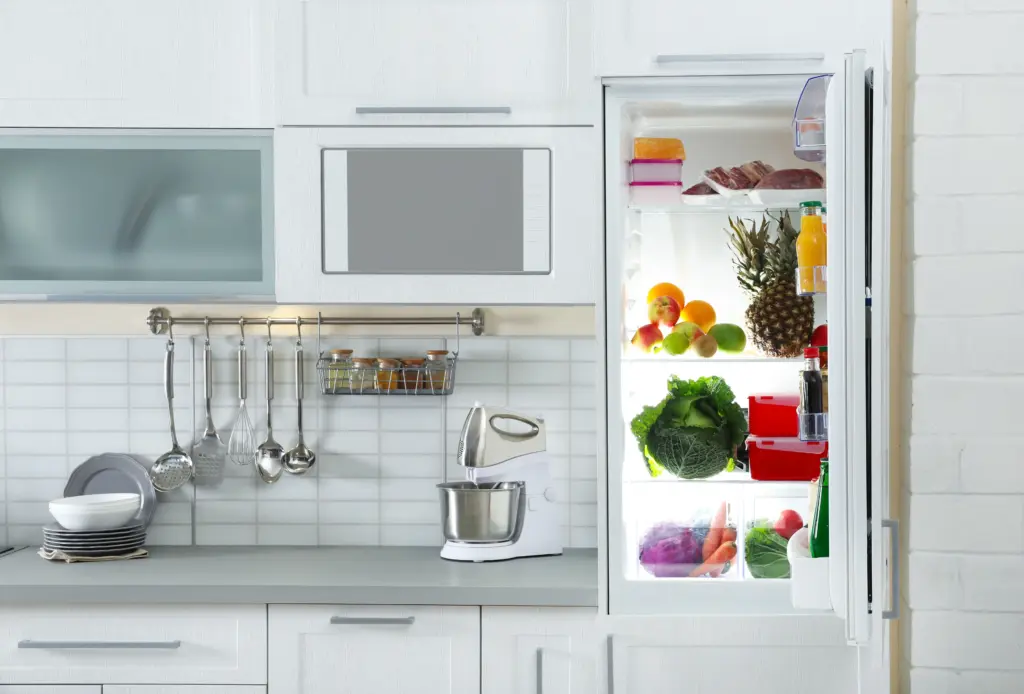
Most modern refrigerators are designed to last about 10 to 15 years before major components begin to wear out. Older refrigerators sometimes lasted longer because they contained fewer electronic parts and simpler mechanical systems. However, many modern refrigerators are designed with improved energy efficiency and better insulation, which helps them operate more efficiently during their lifespan. The compressor, fans, thermostats, and electronic control boards are the parts most likely to determine how long the appliance remains reliable. When these components begin to fail, cooling performance may decline and repairs may become necessary.
How Daily Usage Affects Refrigerator Lifespan
Daily habits inside the kitchen can significantly influence how long should a refrigerator last. Opening the refrigerator door frequently allows warm air to enter the appliance, which forces the compressor to run more often to maintain safe temperatures. Large families or households that cook frequently may place additional demand on the refrigerator compared to homes where the appliance is opened less often. Overloading shelves can also block air vents and prevent proper airflow, making the cooling system work harder. When airflow is restricted, internal components experience greater strain, which can shorten the overall lifespan of the appliance.
The Importance Of Regular Maintenance
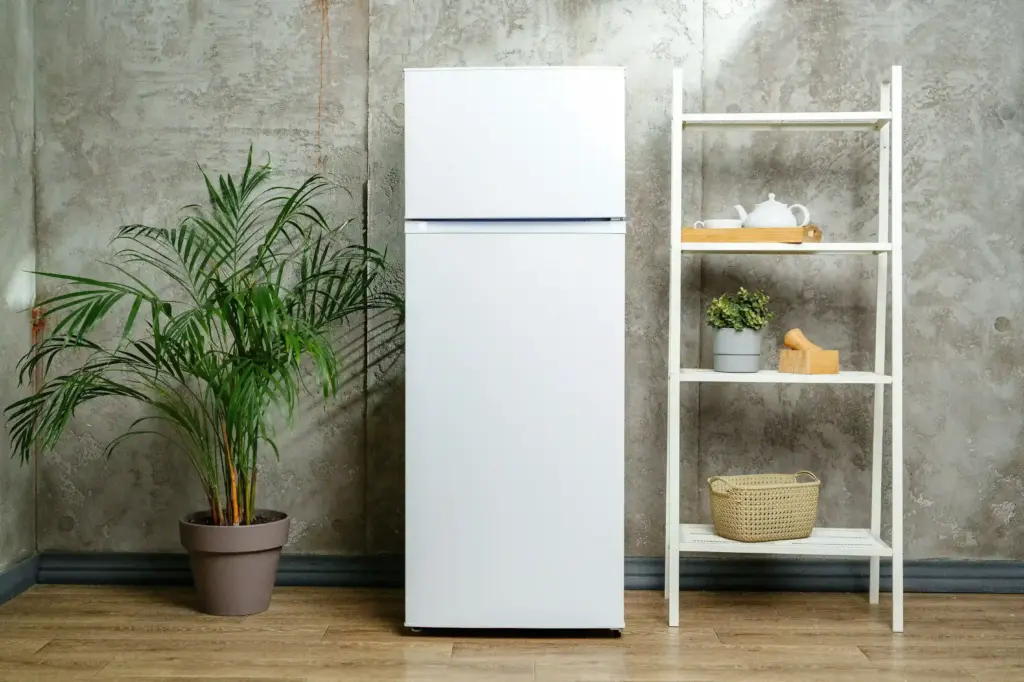
Maintenance plays a critical role in extending refrigerator life. Dust and debris often accumulate on condenser coils located behind or beneath the refrigerator. These coils release heat that is removed from inside the appliance, and when they become dirty the cooling system cannot operate efficiently. Cleaning the coils every six months helps maintain proper airflow and reduces strain on the compressor. Homeowners should also check door seals to ensure they close tightly, keep vents inside the refrigerator clear, and maintain recommended temperature settings. These simple steps help prevent unnecessary wear and improve long term performance.
Warning Signs That A Refrigerator Is Aging
Refrigerators usually show warning signs before they stop working completely. One common sign is inconsistent temperature where some foods freeze while others remain warm. Strange noises coming from the compressor or fans can also indicate mechanical wear. Another warning sign is longer cooling cycles where the refrigerator runs almost constantly to maintain temperature. Homeowners may also notice increased electricity bills if the appliance begins to lose efficiency. Recognizing these symptoms early allows homeowners to address problems before a complete breakdown occurs.
Energy Efficiency Of Older Refrigerators
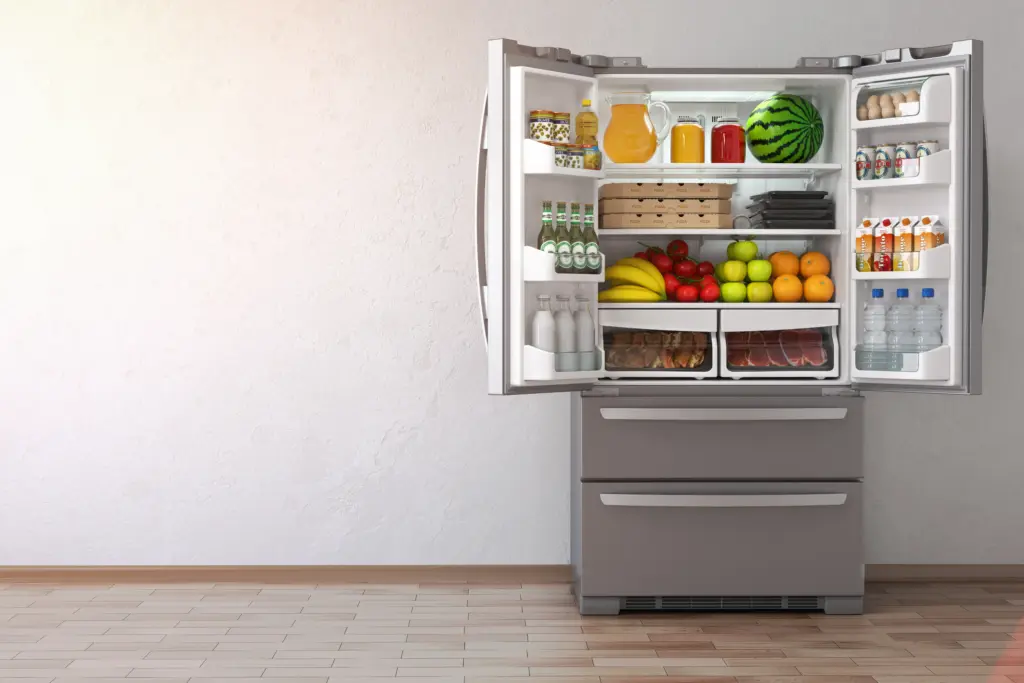
Even when older refrigerators continue to operate, they often use more electricity than modern energy efficient models. Improvements in insulation, compressors, and electronic controls have made newer refrigerators significantly more efficient. According to the U.S. Department of Energy, replacing an outdated refrigerator can reduce energy consumption and lower household utility costs. For homeowners evaluating how long should a refrigerator last, energy efficiency becomes an important factor when deciding whether to repair or replace an older appliance.
Environmental Conditions That Affect Lifespan
The environment where a refrigerator operates can also influence how long it lasts. Appliances located in hot garages or poorly ventilated kitchens often experience additional strain because the cooling system must work harder to remove heat. Dusty environments can cause condenser coils to accumulate debris more quickly, reducing efficiency. Limited airflow around the appliance can also trap heat and prevent proper cooling performance. Providing several inches of space around the refrigerator for ventilation helps the appliance release heat more effectively and operate more efficiently.
Repair Or Replace An Aging Refrigerator
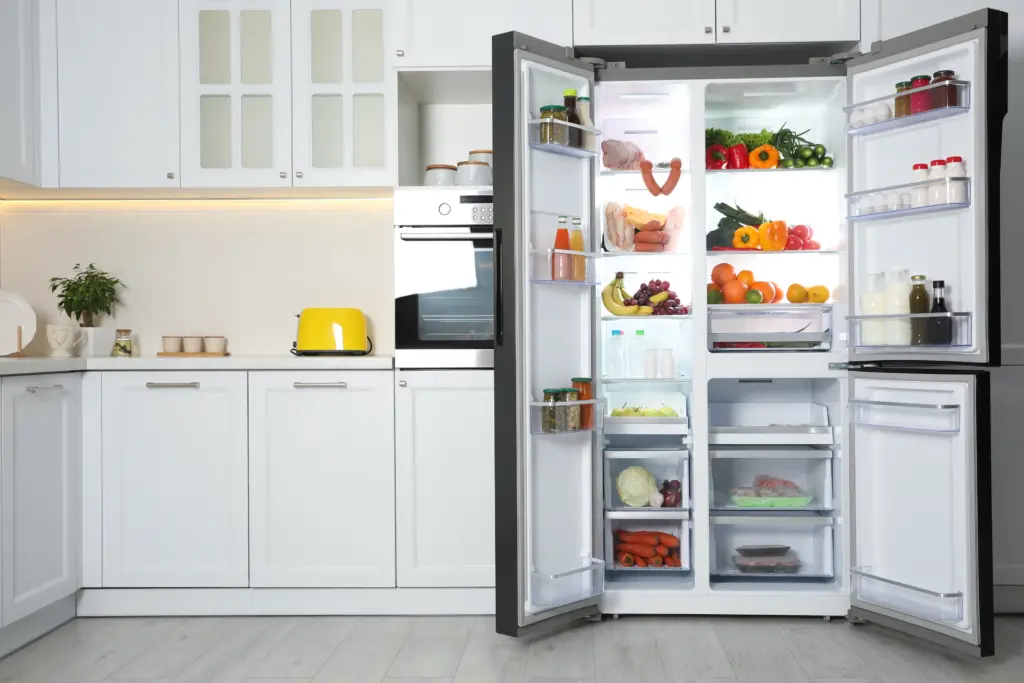
As refrigerators approach the end of their typical lifespan, homeowners often face the choice between repairing the appliance or purchasing a replacement. Minor repairs such as replacing fans, sensors, or thermostats can extend the life of the refrigerator for several more years. However, major repairs involving compressors or sealed refrigerant systems can be costly. When repair costs approach half the price of a new appliance, many homeowners decide replacement is the more practical long term option.
When Professional Service Is Necessary
If a refrigerator stops cooling properly or begins showing signs of mechanical problems, professional inspection may be necessary to determine the cause. Technicians can evaluate electrical components, cooling systems, and airflow to identify the issue accurately. Homeowners in Northeast Ohio who need assistance determining how long a refrigerator should last or diagnosing cooling problems can visit My Appliance Guy for refrigerator repair and maintenance services.
Final Thoughts
Knowing how long should a refrigerator last allows homeowners to better plan for appliance maintenance and eventual replacement. Most refrigerators operate reliably for 10 to 15 years when maintained properly and used under normal household conditions. Regular cleaning, proper airflow, and early attention to warning signs can help extend the appliance’s life. When refrigerators begin showing signs of declining efficiency or repeated mechanical problems, evaluating repair costs versus replacement helps homeowners make the best long term decision.