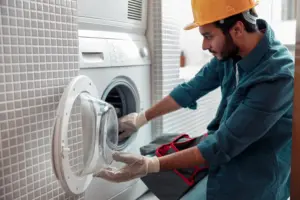
A washing machine that fills with water but refuses to spin can quickly disrupt a household’s routine. Wet clothes at the end of a cycle are frustrating, heavy to handle, and often leave homeowners wondering what went wrong. One of the most common questions people ask in this situation is why washing machine not spinning when everything else seems to work. The answer can range from simple user-related issues to more serious mechanical or electrical problems. Understanding the most common causes helps homeowners decide whether the issue can be fixed at home or requires professional service.
The spin cycle plays a critical role in removing excess water from clothes. Without it, laundry comes out soaking wet, leading to longer drying times and potential mildew odors. A washing machine relies on several components working together during the spin cycle, and when even one part fails, the entire process can stop. Knowing why washing machine not spinning helps prevent unnecessary replacement and ensures problems are addressed correctly.

Unbalanced Loads And User-Related Causes
One of the simplest and most common reasons a washing machine will not spin is an unbalanced load. When clothes are unevenly distributed inside the drum, the machine may stop spinning to prevent excessive vibration or damage. Heavy items such as blankets, towels, or jeans can clump together, throwing the drum off balance. Modern washing machines are designed to detect this issue and pause or stop the spin cycle for safety.
Overloading the washer can also prevent spinning. When too many clothes are packed into the drum, the motor struggles to rotate properly. This often leads homeowners to believe something is broken when the issue is simply too much laundry at once. Redistributing or reducing the load often resolves the problem and explains why washing machine not spinning in many households.
Lid Switch And Door Lock Problems
Washing machines are equipped with safety mechanisms that prevent spinning if the lid or door is not securely closed. In top-loading washers, a faulty lid switch can stop the spin cycle entirely. Front-loading washers rely on a door lock system that must engage properly before spinning begins. If the washer does not sense that the door is locked, it will not spin, even if everything else functions normally.
Over time, lid switches and door locks can wear out or become misaligned. Dirt, detergent residue, or broken components can interfere with proper operation. When homeowners ask why washing machine not spinning even though the drum fills and drains, a faulty lid switch or door lock is often the cause.
Drainage Issues That Prevent Spinning
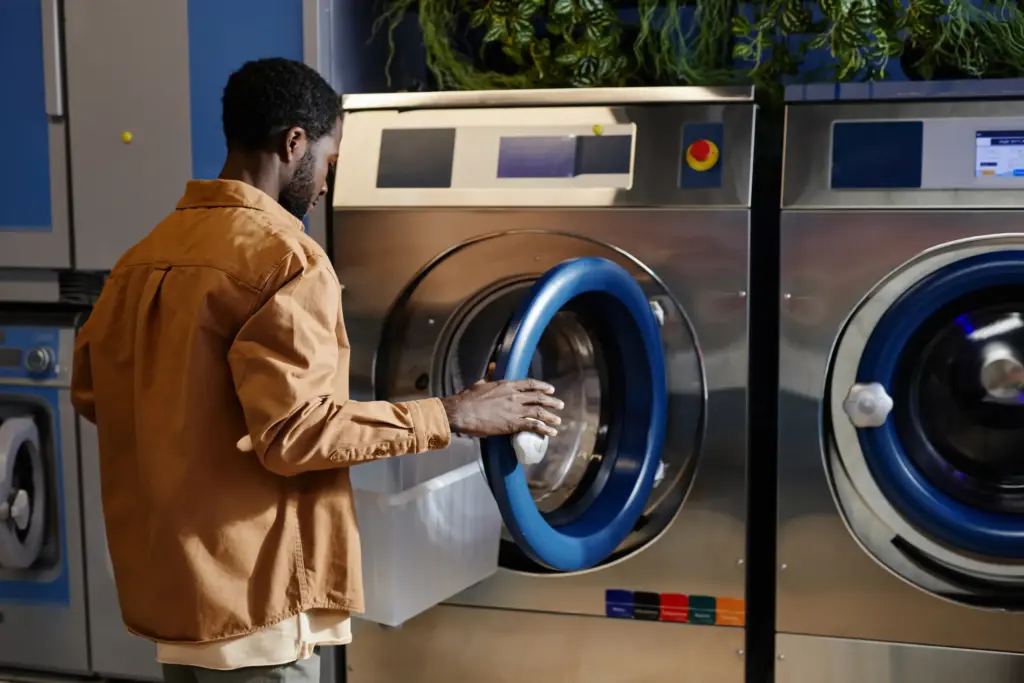
A washing machine must drain water completely before entering the spin cycle. If water remains in the drum, the washer may not spin at all. Clogged drain hoses, blocked pumps, or debris trapped in filters can prevent proper drainage. This is especially common in front-loading washers that include drain filters designed to catch lint, coins, and small objects.
When water cannot exit the machine, sensors prevent the spin cycle from starting to avoid leaks and damage. Homeowners may notice standing water inside the drum or hear the pump running without success. In these cases, drainage problems explain why washing machine not spinning and often require cleaning or professional service.
Drive Belt And Motor Issues
The drive belt connects the motor to the drum and allows the washer to spin. If the belt becomes worn, loose, or broken, the drum will not rotate properly. Over time, belts can stretch or crack due to regular use. A broken belt often causes the washer to fill and agitate but fail during the spin cycle.
Motor problems can also stop the washer from spinning. The motor may overheat, lose power, or fail entirely. In some cases, the motor may attempt to spin but shut down due to internal protection mechanisms. When mechanical components fail, homeowners often experience loud noises, burning smells, or complete lack of movement, all pointing to why washing machine not spinning.
Control Board And Electrical Problems
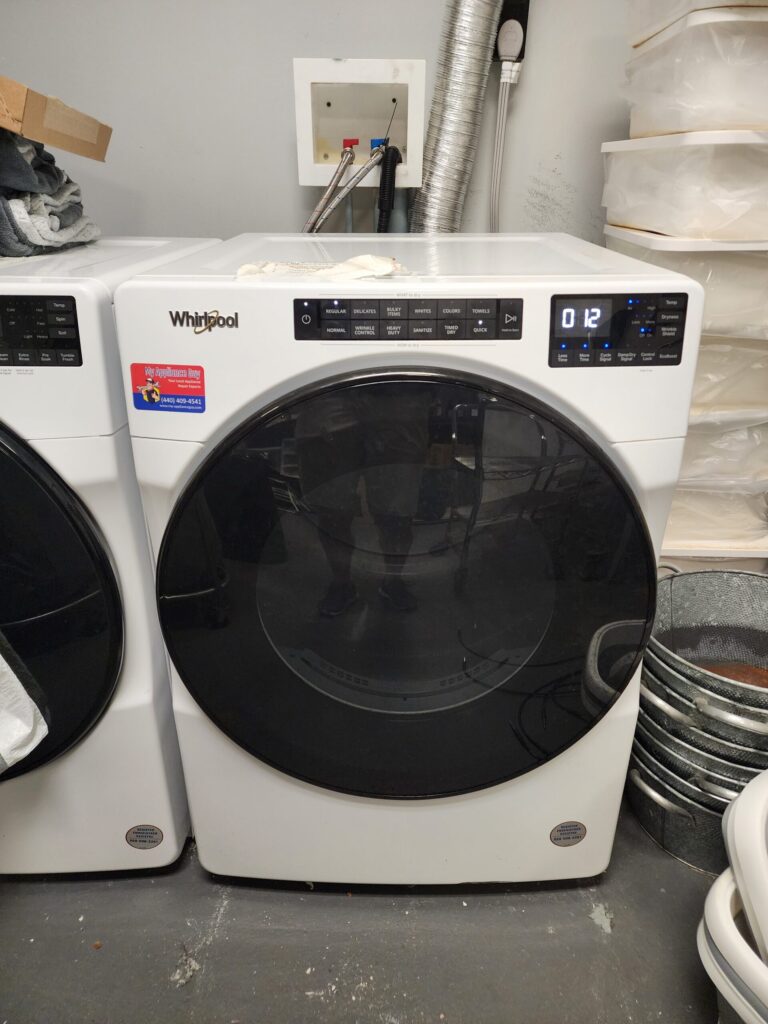
Modern washing machines rely on electronic control boards to manage each cycle. If the control board malfunctions, the washer may not send the correct signals to start spinning. Power surges, moisture exposure, or age can damage these boards. When this happens, the washer may behave unpredictably, skipping cycles or stopping mid-cycle.
Electrical issues such as faulty wiring or damaged sensors can also interfere with spinning. These problems are more difficult to diagnose without proper tools. When homeowners cannot identify a clear mechanical issue, electrical faults may explain why washing machine not spinning and typically require professional diagnosis.
Worn Suspension And Shock Absorbers
Suspension rods and shock absorbers help stabilize the drum during spinning. When these components wear out, the washer may shake excessively and stop spinning to prevent damage. Excessive vibration often triggers safety mechanisms that halt the spin cycle.
Over time, worn suspension components can make even balanced loads problematic. If the washer consistently struggles to spin despite proper loading, suspension issues may be the underlying reason why washing machine not spinning correctly.
Differences Between Top Load And Front Load Washers
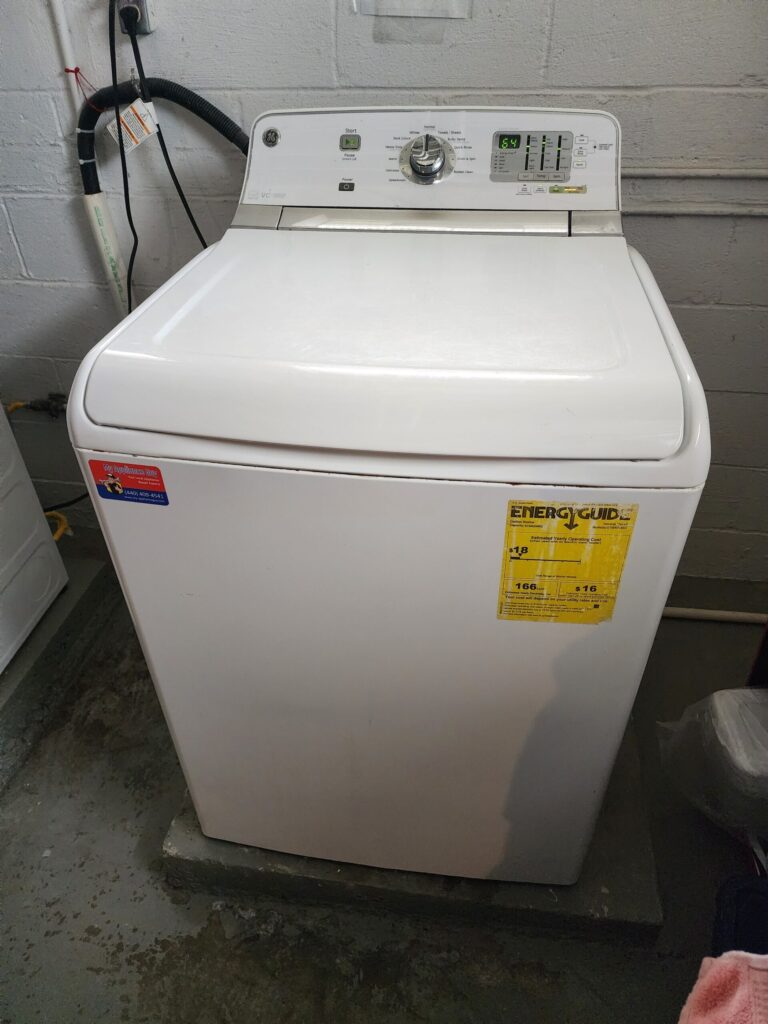
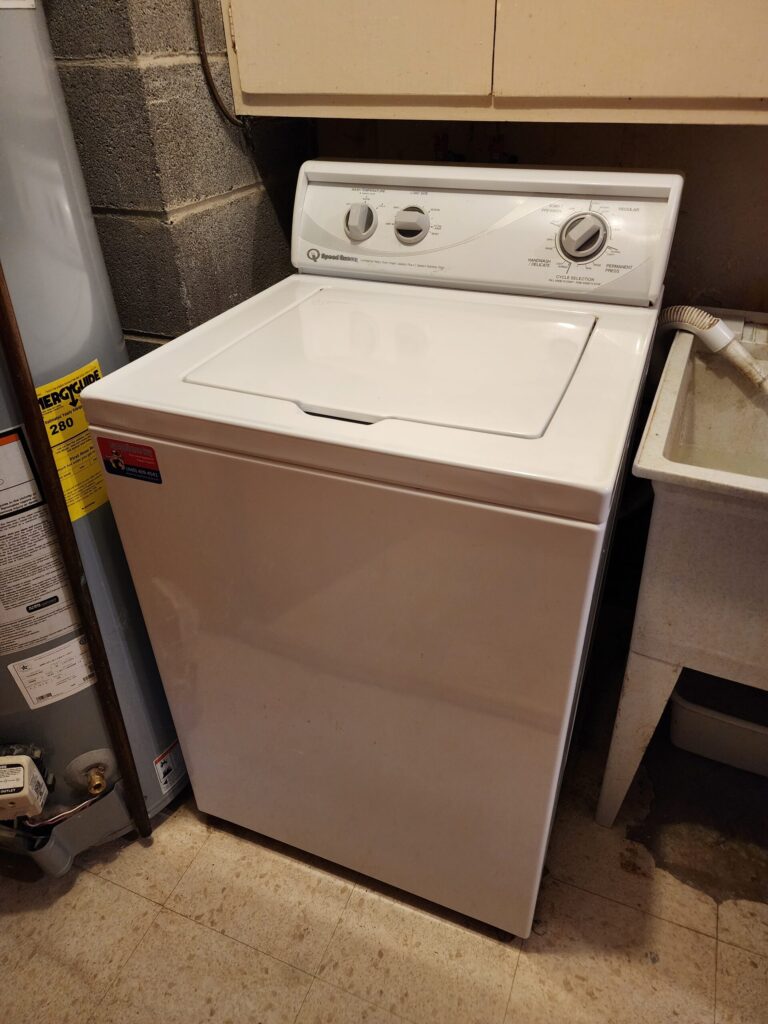
Top-loading and front-loading washers experience spinning issues for different reasons. Top-loaders often face problems related to lid switches, clutches, and belts. Front-loaders are more prone to drainage issues, door lock failures, and sensor problems. Understanding the type of washer you own helps narrow down potential causes.
While symptoms may appear similar, the repair approach varies depending on the design. This is why identifying why washing machine not spinning requires considering the washer’s configuration and age.
When DIY Fixes Are Not Enough
Some spinning issues can be resolved with simple steps such as redistributing laundry, checking drain filters, or ensuring the door closes properly. However, many problems involve internal components that should not be handled without proper training. Attempting complex repairs without experience can lead to further damage or safety risks. If the washer continues to malfunction after basic troubleshooting, professional service is recommended. Persistent issues often indicate deeper mechanical or electrical failures.
How Professional Appliance Service Helps
Professional technicians have the tools and experience to diagnose spinning problems accurately. They can inspect belts, motors, control boards, and suspension systems safely. Accurate diagnosis prevents unnecessary part replacements and reduces repair costs.
Homeowners in Northeast Ohio experiencing washer issues can visit My Appliance Guy for expert washing machine repair and diagnosis.
Local Factors That Affect Washer Performance
In Northeast Ohio, power fluctuations and heavy seasonal use can affect appliance performance. Older homes may also have electrical systems that contribute to washer issues. Regular maintenance and professional inspections help reduce unexpected breakdowns.
When To Call For Help
If your washer repeatedly fails to spin, makes unusual noises, or leaves clothes soaked after every cycle, professional help is needed. Ignoring these signs can lead to more expensive repairs later.
If you are dealing with ongoing washer problems and want reliable service, call My Appliance Guy at (440) 409-4541. Our team can diagnose the issue and restore proper washing machine performance.
So, why washing machine not spinning? The cause can range from simple loading issues to complex mechanical or electrical failures. Understanding these possibilities helps homeowners respond quickly, protect their appliances, and keep laundry routines running smoothly.