A refrigerator water line supplies fresh water to ice makers and water dispensers, making daily kitchen routines more convenient. Over time, however, water lines can wear out, crack, clog, or leak. When that happens, homeowners often want to know how to replace refrigerator water line safely and correctly. Understanding how the water line works, what causes failures, and how replacement is handled helps prevent water damage and ensures your refrigerator continues delivering clean water.
What a refrigerator water line does
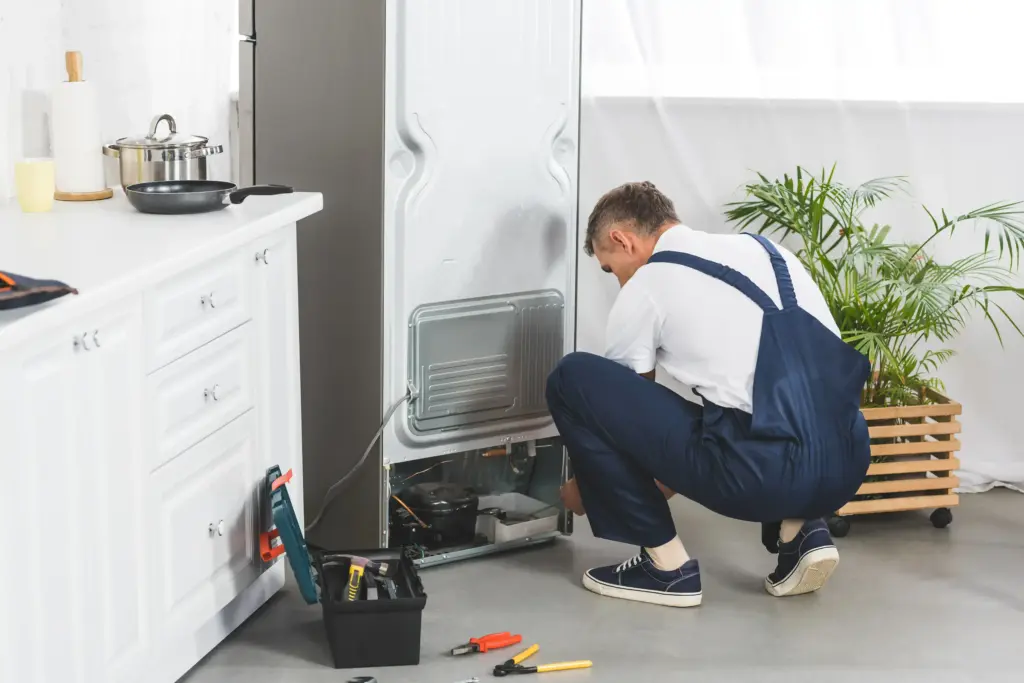
The refrigerator water line connects your home’s cold water supply to the refrigerator. It delivers water to the ice maker and dispenser through a narrow tube designed to withstand constant pressure. Most modern refrigerators use flexible plastic or copper tubing that runs from a shutoff valve behind the refrigerator to an inlet valve on the appliance. Because the line remains pressurized at all times, even small cracks or loose fittings can cause leaks that damage flooring and cabinetry.
Common reasons refrigerator water lines fail
Water lines fail for several reasons, including age, wear, freezing, and improper installation. Plastic lines may become brittle over time, especially in colder environments. Copper lines can kink or corrode. Moving the refrigerator during cleaning or remodeling can stress the line and loosen fittings. Mineral buildup inside the tubing can also restrict water flow. Understanding these causes helps homeowners recognize when learning how to replace refrigerator water line becomes necessary.
Signs the refrigerator water line needs replacement
Common warning signs include water pooling behind or under the refrigerator, reduced water flow from the dispenser, hollow or incomplete ice cubes, or visible cracks in the tubing. In some cases, homeowners notice a constant dripping sound even when the refrigerator is not in use. Any of these symptoms indicate that the water line may be compromised and should be inspected or replaced promptly to prevent water damage.
Types of refrigerator water lines
Refrigerator water lines are typically made from copper, braided stainless steel, or flexible plastic. Copper lines are durable and resistant to punctures but can kink if bent sharply. Braided stainless steel lines offer flexibility and strength, making them a popular modern choice. Plastic lines are inexpensive but more prone to cracking over time. Choosing the correct replacement line is an important part of understanding how to replace refrigerator water line safely.
Preparing for water line replacement
Before replacing the water line, the water supply must be shut off completely. The refrigerator should be unplugged and pulled away from the wall carefully to avoid damaging flooring. Placing towels or a shallow pan underneath the connection points helps catch residual water. Measuring the existing water line length ensures the replacement line fits without tension. Proper preparation reduces the risk of leaks and installation errors.
How professionals replace a refrigerator water line
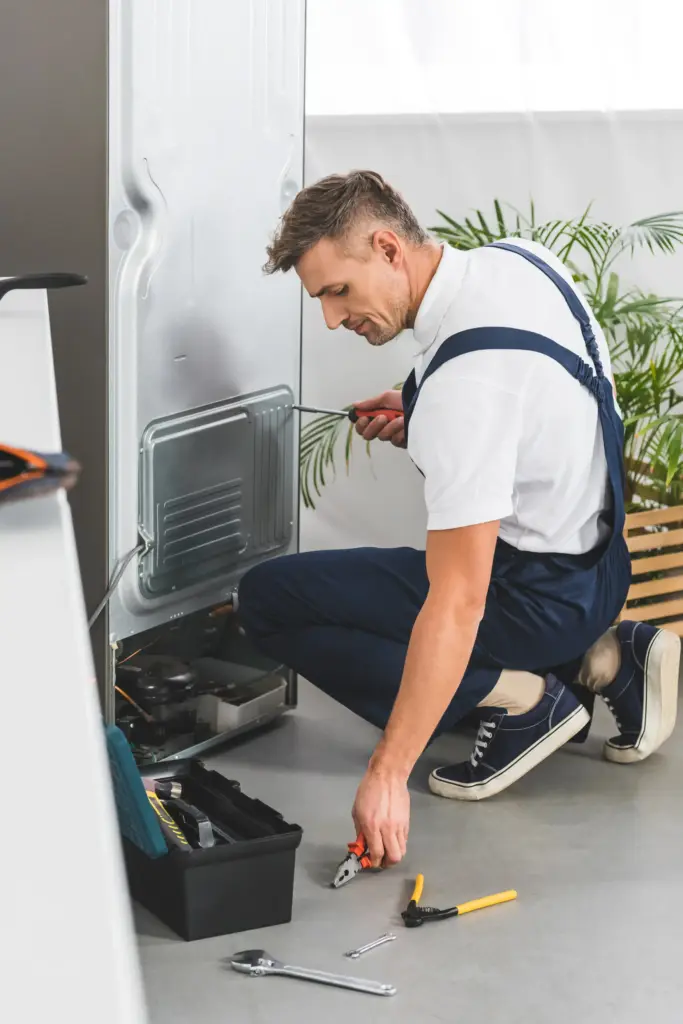
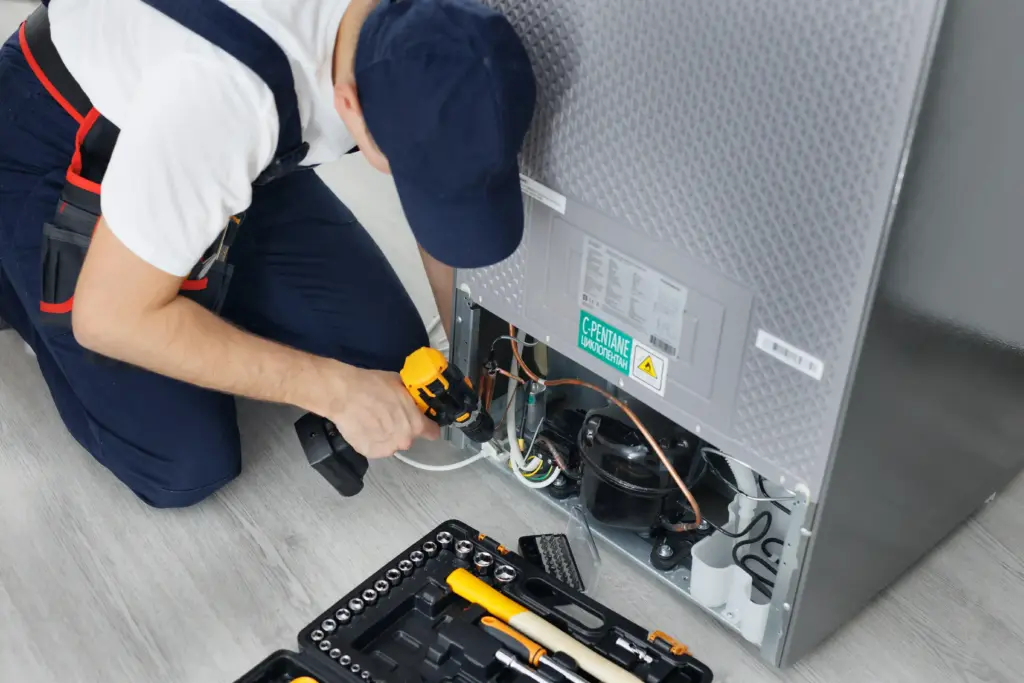
Professional technicians begin by disconnecting the old water line from the shutoff valve and the refrigerator inlet valve. They inspect both connection points for corrosion or damage. The new water line is then installed with secure fittings, ensuring no twists or kinks restrict flow. Once connected, the water supply is restored gradually while checking for leaks. Technicians flush the line to remove air and debris before returning the refrigerator to its original position.
Why proper installation matters
Improper installation can lead to slow leaks that go unnoticed until significant damage occurs. A loosely connected fitting or improperly cut line may drip continuously behind the refrigerator. According to the U.S. Environmental Protection Agency, even small household leaks can waste thousands of gallons of water per year. Correct installation ensures consistent water pressure, leak prevention, and long-term reliability.
How long water line replacement takes
In most cases, replacing a refrigerator water line takes between 30 and 60 minutes when performed by a professional. Additional time may be required if the shutoff valve is difficult to access or needs replacement. After installation, the system is tested to ensure proper water flow and ice production resumes normally.
Common mistakes homeowners make
Many homeowners attempt to reuse old fittings, which increases the risk of leaks. Others choose tubing that is too short, creating tension when the refrigerator is pushed back into place. Over-tightening fittings can crack plastic valves, while under-tightening leads to drips. These mistakes explain why learning how to replace refrigerator water line often requires professional assistance.
When DIY replacement may not be recommended
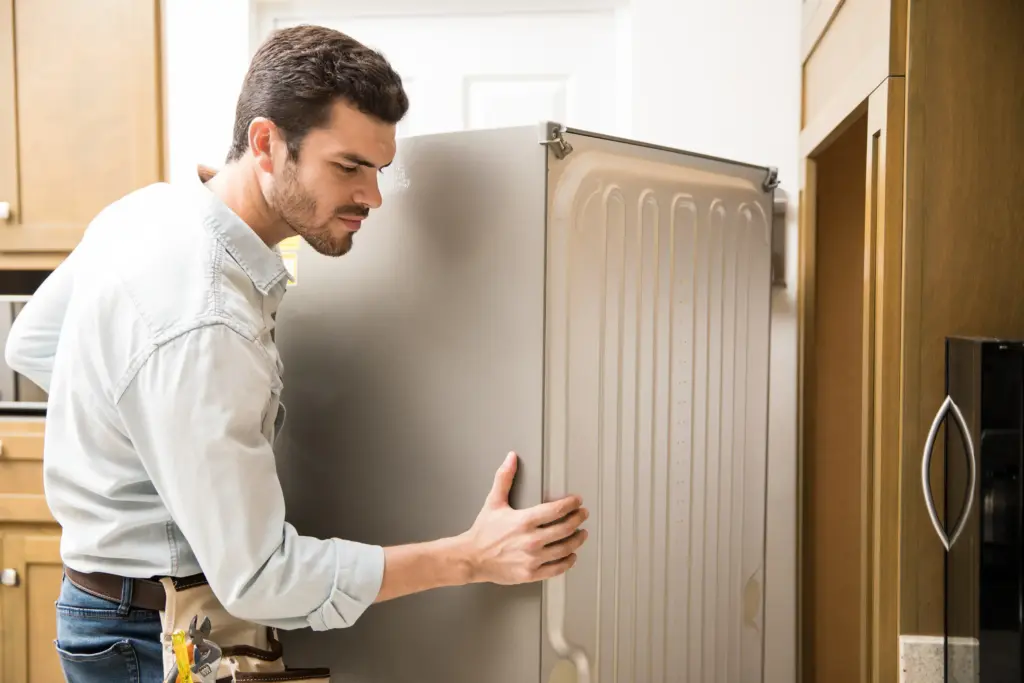
While replacing a water line may seem simple, it can become complicated if the shutoff valve is damaged or inaccessible. Older homes may have outdated valves that fail when turned off. Improper handling can result in flooding or valve failure. In these cases, professional service helps avoid costly repairs and ensures the installation meets plumbing standards.
How water quality affects refrigerator water lines
Hard water and sediment can reduce water line lifespan. Mineral deposits accumulate inside tubing and restrict flow. Installing a refrigerator water filter helps protect internal components and improve water quality. The Centers for Disease Control and Prevention recommends proper filtration to maintain safe drinking water and reduce buildup in household systems.
Maintaining your refrigerator water line
Regularly checking the water line for kinks, wear, and leaks helps prevent sudden failures. Replacing the water filter as recommended by the manufacturer protects the line and inlet valve. Avoid pushing the refrigerator too far back against the wall, as pressure on the tubing can weaken connections over time. Simple maintenance extends the life of the water line and prevents unexpected leaks.

Local service for water line replacement
If you are unsure how to replace refrigerator water line or notice leaks after moving the appliance, professional service ensures the job is done correctly. At My Appliance Guy refrigerator service, technicians replace water lines, inspect valves, and test systems to prevent future leaks and water damage.
Talk to a local expert before water damage occurs
If you suspect a leaking or damaged refrigerator water line, call My Appliance Guy at (440) 409-4541. Our experienced technicians provide fast, reliable service across Northeast Ohio to protect your home and restore safe water flow to your refrigerator.
So, how to replace refrigerator water line safely and effectively? The process involves proper preparation, correct materials, secure installation, and thorough testing. Addressing water line issues early prevents leaks, protects flooring and cabinetry, and ensures your refrigerator continues delivering clean water and ice without interruption.