A refrigerator that stops cooling can quickly turn into a frustrating household emergency. Food begins to spoil, drinks lose their chill, and families suddenly face the risk of wasting groceries. Many homeowners immediately assume the refrigerator has completely failed, but that is not always the case. In many situations, cooling problems come from simple issues that can be identified and corrected without replacing the appliance. Understanding how fix refrigerator not cooling problems starts with learning how refrigerators actually maintain temperature and what common issues interrupt that process.
Refrigerators operate through a cooling cycle that removes heat from inside the appliance and releases it outside the unit. This process involves refrigerant, coils, fans, and a compressor that work together to maintain a stable temperature. If any part of this system becomes blocked, dirty, or damaged, the refrigerator may stop cooling effectively. The good news is that many cooling problems can be diagnosed early with basic inspection and maintenance.

Check Temperature Settings First
The first step when figuring out how fix refrigerator not cooling is verifying the temperature settings. It may sound simple, but temperature controls are often adjusted accidentally when moving items inside the refrigerator. If the thermostat is set too high, the compressor will run less often and the refrigerator will not stay cold enough. Most refrigerators perform best when the fresh food compartment is set around 37°F and the freezer around 0°F. If settings are changed even slightly, cooling performance can decline noticeably. Before assuming there is a serious malfunction, homeowners should always confirm the thermostat settings are correct and allow several hours for the appliance to stabilize after adjustments.
Inspect Airflow Inside The Refrigerator
Proper airflow is essential for maintaining consistent refrigerator temperatures. Cold air normally moves from the freezer compartment into the refrigerator through small vents. If these vents become blocked by food containers or overcrowded shelves, cold air cannot circulate evenly. This creates warm areas inside the refrigerator even though the cooling system may still be functioning. When investigating how fix refrigerator not cooling problems, checking airflow is an important step. Rearranging items to allow space around vents and avoiding overpacking shelves can restore proper circulation and help the refrigerator cool more effectively.
Dirty Condenser Coils Can Reduce Cooling
Condenser coils play a crucial role in the refrigeration cycle because they release heat removed from inside the refrigerator. These coils are usually located behind the appliance or beneath it near the floor. Over time dust, pet hair, and household debris accumulate on the coils and act as insulation. When this happens, the refrigerator struggles to release heat and the compressor must work harder to maintain temperature. This reduces cooling performance and increases energy consumption. Cleaning condenser coils every six months with a vacuum or coil brush can significantly improve efficiency and is one of the most common solutions when learning how fix refrigerator not cooling issues.
Check The Door Seals For Air Leaks
Refrigerator door seals, also called gaskets, are designed to keep cold air inside the appliance while preventing warm kitchen air from entering. If these seals become worn, cracked, or loose, cold air escapes and warm air leaks inside. Even small gaps can cause the refrigerator to run continuously while struggling to maintain proper temperature. Inspecting the gasket for visible damage or areas that fail to seal tightly is an important step in diagnosing cooling problems. If a gasket is damaged, replacing it can restore energy efficiency and cooling performance.
Evaporator Fan Problems Can Affect Cooling
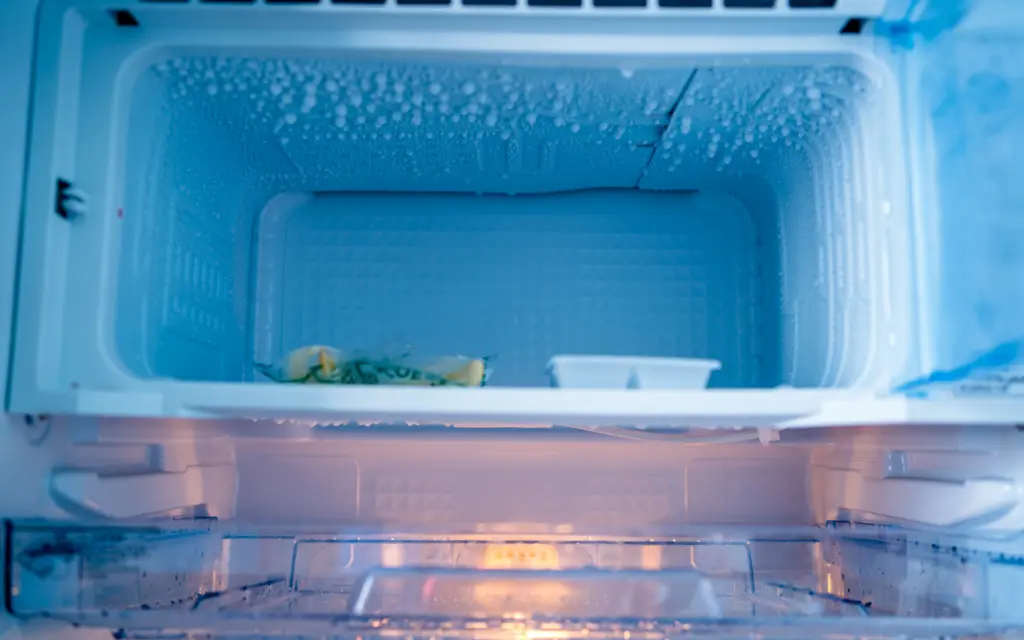
The evaporator fan circulates cold air throughout the refrigerator and freezer compartments. If this fan stops working, the freezer may remain cold while the refrigerator section becomes warm. Homeowners may notice weak airflow, unusual noises, or uneven cooling when the fan is failing. Because air circulation is essential to maintaining temperature balance, a malfunctioning evaporator fan can quickly lead to cooling problems. Identifying fan issues is an important part of understanding how fix refrigerator not cooling problems before they lead to larger mechanical failures.
Compressor And Cooling System Issues
The compressor is often described as the heart of the refrigerator because it pumps refrigerant through the cooling system. When the compressor runs properly, refrigerant absorbs heat inside the refrigerator and releases it outside through the condenser coils. If the compressor fails or struggles to start, the refrigerator will lose its ability to cool entirely. Compressor problems are more complex than airflow or cleaning issues and usually require professional diagnosis. Homeowners may hear clicking sounds, constant running, or no operation at all when the compressor begins to fail.
How Maintenance Prevents Cooling Problems
Routine maintenance plays a major role in preventing cooling failures. Cleaning condenser coils, keeping vents clear, checking door seals, and avoiding overloading the refrigerator all help maintain efficient operation. Many homeowners overlook these simple tasks, which leads to gradual performance decline. Regular maintenance not only improves cooling but also reduces energy consumption and extends appliance lifespan. Guidance from the U.S. Department of Energy explains that proper refrigerator maintenance can significantly improve efficiency and reliability.
When Professional Refrigerator Repair Is Needed
Some cooling issues require professional service because they involve electrical components or sealed refrigerant systems. Problems such as refrigerant leaks, compressor failure, or defective control boards cannot be safely repaired without proper tools and training. If basic troubleshooting steps do not restore cooling, contacting an experienced technician is the safest option. Homeowners in Northeast Ohio who need assistance diagnosing how fix refrigerator not cooling issues can visit My Appliance Guy for professional refrigerator inspection and repair services.
Final Thoughts
Understanding how fix refrigerator not cooling problems begins with recognizing the common causes behind temperature changes. Simple issues such as blocked airflow, dirty coils, incorrect thermostat settings, or worn door seals often reduce cooling performance. Addressing these problems early can restore normal operation and prevent more serious mechanical failures. When deeper issues occur within the compressor or refrigerant system, professional repair ensures the refrigerator continues operating safely and efficiently.