
If you are planning a laundry room, one of the first measurements to check is how wide is a washer and dryer. Most full-size washers and dryers are about 27 inches wide individually. When placed side by side, a standard pair therefore needs roughly 54 inches of appliance width before adding clearance between the machines and surrounding walls. Some models measure closer to 28 or 29 inches wide, while compact units can be around 24 inches wide. Exact dimensions vary by manufacturer and model, so always check the specification sheet before buying or moving an appliance.
Knowing how wide is a washer and dryer is especially important when the machines must fit inside a closet, alcove, basement opening, or built-in laundry area. Measuring only the appliances can lead to problems because you also need space for airflow, hoses, cords, doors, and installation. A pair measuring 54 inches across may need several additional inches of usable room. Taking accurate measurements before shopping can prevent delivery problems and make future servicing easier.

How Wide Is A Washer And Dryer Side By Side?
For a typical side-by-side installation, how wide is a washer and dryer together? Two 27-inch machines require about 54 inches just for their cabinets. However, you should not design a laundry opening exactly 54 inches wide. Manufacturers usually require clearance around the sides and between machines. Even a small amount of extra space makes installation easier and prevents vibration from causing the washer and dryer to rub against one another during operation.
A practical laundry area for two standard machines may therefore need around 56 to 60 inches of width, depending on the manufacturer’s instructions. Some larger-capacity machines can exceed 27 inches, so how wide is a washer and dryer can change when you choose oversized models. Measure both machines independently rather than assuming that every full-size washer and dryer has identical dimensions. If you already own a washer that vibrates heavily or shifts during operation, professional washing machine service can determine whether leveling, suspension, or another mechanical issue is responsible.
Compact Washer And Dryer Dimensions
Compact laundry appliances are useful when a standard pair cannot fit into the available space. Most compact machines are about 24 inches wide, although exact measurements vary. A side-by-side compact pair may therefore use approximately 48 inches of basic appliance width. This difference can make compact units practical for apartments, closets, kitchens, and smaller laundry rooms. When asking how wide is a washer and dryer for a tight installation, compact models are often the first alternative to consider.
Smaller exterior dimensions do not necessarily mean the appliances will fit automatically. You still need enough depth for water hoses, drain connections, electrical cords, and dryer ventilation. Door movement also matters, particularly with front-load washers and dryers. Some compact dryers use ventless technology, while others require an exhaust connection. The Wikipedia overview of washing machines describes common washer configurations, including front-loading and top-loading designs, which can help explain why different machines require different installation space.
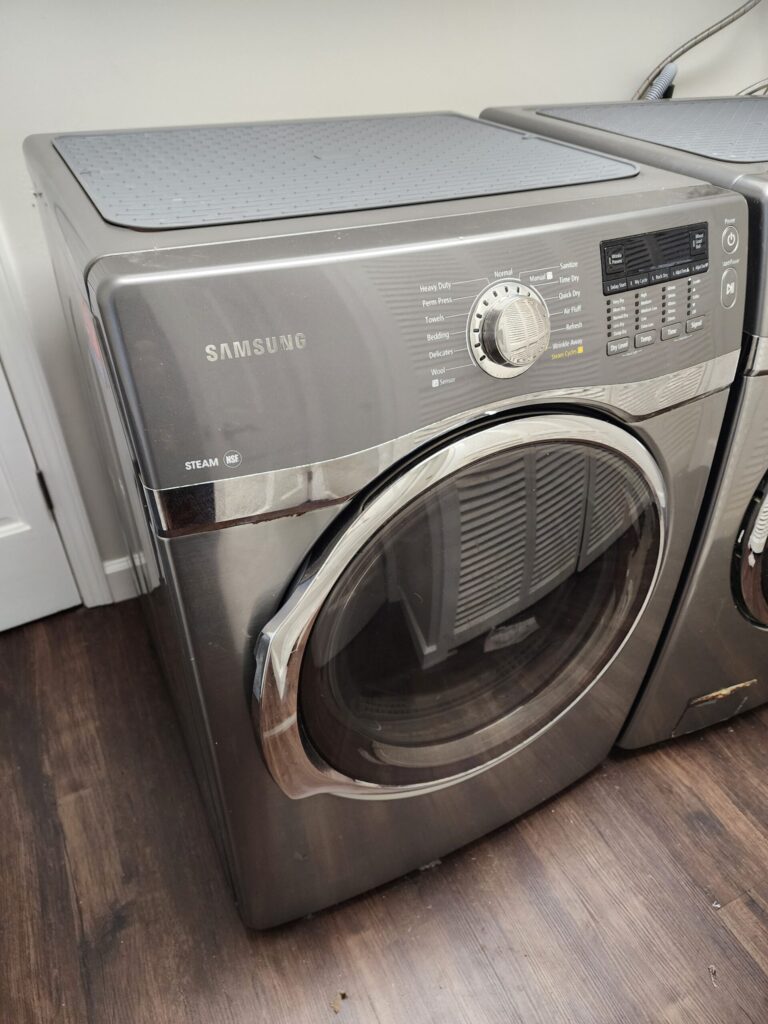
Stackable Washer And Dryer Width
Stacking can reduce the amount of floor width required for laundry appliances. In most cases, stacking does not change how wide is a washer and dryer because one appliance sits above the other. A standard stackable pair may remain around 27 inches wide, while a compact stacked pair may be approximately 24 inches wide. This configuration can free up floor space for storage, countertops, or other household uses. However, only compatible machines should be stacked using the manufacturer-approved stacking kit.
The total height becomes much more important in a stacked installation. You need sufficient ceiling clearance and access to the dryer controls. You must also consider ventilation, electrical connections, water lines, and the ability to service both appliances. When determining how wide is a washer and dryer in a stacked layout, measure the widest appliance and then add the recommended side clearances. If a stacked dryer stops heating, tumbling, or completing cycles normally, dryer service can address the appliance without assuming that limited installation space caused the failure.
Front-Load And Top-Load Washer Widths
Front-load and top-load washers commonly fall within the same general width range, but their installation needs differ. Many full-size front-load washers are about 27 inches wide, while some large-capacity models can be slightly wider. Top-load washers are also commonly around 27 inches wide. Therefore, how wide is a washer and dryer pair often remains similar regardless of which washer style you choose. The bigger differences usually appear in height, depth, door clearance, and the space needed to open the machine.
A top-load washer requires enough vertical clearance for its lid. Cabinets or shelves placed too low above the machine can make loading difficult. A front-load washer needs free space in front for the door to swing open completely. When calculating how wide is a washer and dryer, do not ignore these additional dimensions. A pair may technically fit between two walls yet still be frustrating to use if doors collide, controls are blocked, or laundry baskets cannot pass comfortably in front of the machines.

Measure Laundry Room Space Correctly
Accurate measurements are essential before buying a new washer and dryer. Measure the width of the available opening at the top, middle, and bottom because walls and cabinetry may not be perfectly straight. Use the narrowest measurement as your usable width. Then compare that number with the manufacturer’s required installation dimensions. Knowing how wide is a washer and dryer before delivery helps prevent situations where a machine reaches your home but cannot pass through a doorway or fit into its intended space.
Also measure the route from the entrance to the laundry area. Check exterior doors, interior doors, hallways, staircases, turns, and basement openings. Removeable doors can sometimes provide extra clearance, but do not assume this will solve every problem. Measure the appliance depth and height as well. Laundry machines are three-dimensional objects, so width alone cannot guarantee a proper fit. If your current appliances need repair rather than replacement, browsing My Appliance Guy’s appliance repair projects can provide examples of common washer and dryer service situations.
Leave Enough Space Around The Appliances
When calculating how wide is a washer and dryer installation, include the clearances required by the manufacturer. Machines should not be tightly wedged between walls or cabinets unless the installation instructions specifically permit that spacing. Washers can move slightly during high-speed spin cycles, while dryers need proper airflow and access to ventilation. A small gap also makes it easier to clean beside the appliances and identify leaks before water causes significant damage.
Rear clearance deserves equal attention. Washer supply hoses and drain lines need space without being crushed. A vented dryer requires enough room for the exhaust duct to connect without being sharply bent or flattened. If you push appliances too far against the wall, the actual usable depth may become smaller than expected. How wide is a washer and dryer is therefore only one part of planning the installation. Safe operation depends on width, depth, height, airflow, connections, and service access working together.
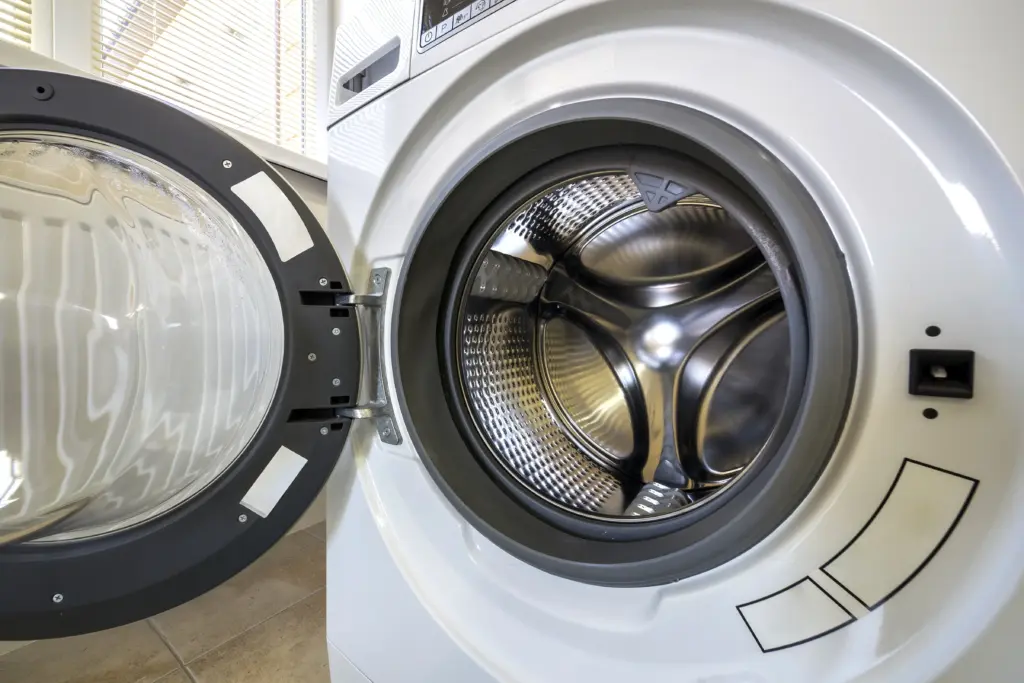
Choose The Right Washer And Dryer For Your Space
So, how wide is a washer and dryer? Most full-size machines are approximately 27 inches wide each, which means a side-by-side pair needs about 54 inches before installation clearances are added. Compact models are commonly around 24 inches wide, while oversized machines may reach 28 or 29 inches. Stacked units can reduce required floor width because the dryer sits above the washer. These measurements are useful starting points, but the specification sheet for the exact model should always guide your final planning.
Understanding how wide is a washer and dryer can prevent installation problems, but choosing the right pair also involves capacity, depth, height, door clearance, utilities, and ventilation. Measure the laundry area and delivery path carefully before ordering appliances. If your existing washer or dryer still fits your household needs but has developed a mechanical problem, replacement may not be necessary. Contact My Appliance Guy for professional washer and dryer repair throughout Northeast Ohio before deciding that a new laundry pair is the only solution.