
Kitchen appliances are significant household investments, so it is natural to wonder how long they should continue performing reliably. To answer how long do kitchen appliances last, most major appliances remain functional for about 10 to 15 years when they receive proper maintenance and are used under normal household conditions. Refrigerators often last 10 to 15 years, dishwashers around 9 to 12 years, ovens and ranges approximately 13 to 15 years, while microwaves generally provide reliable service for 7 to 10 years. Actual lifespan depends on build quality, maintenance, frequency of use, and how quickly minor problems are repaired before they become major failures.
Although every appliance eventually wears out, many homeowners replace equipment earlier than necessary because routine maintenance has been neglected. Dirt buildup, worn seals, clogged filters, poor ventilation, and ignored warning signs all shorten appliance life. On the other hand, regular cleaning, timely repairs, and proper operation can often extend an appliance’s lifespan well beyond average expectations. Understanding what affects appliance longevity helps homeowners decide whether repairing or replacing an appliance is the smarter investment.

Average Lifespan Of Major Kitchen Appliances
While manufacturers design appliances for years of dependable operation, every appliance experiences wear from daily use. Refrigerators typically remain one of the longest-lasting kitchen appliances because they are engineered for continuous operation. Dishwashers usually begin showing performance issues sooner because they operate with high temperatures, detergent, and constant water exposure. Electric and gas ranges often provide well over a decade of reliable cooking, while built-in microwaves and countertop models generally have shorter service lives because of frequent door use and electronic component wear.
These averages should be viewed as guidelines rather than fixed expiration dates. Two identical refrigerators purchased on the same day may have very different lifespans depending on maintenance, installation conditions, and household usage. A busy family of six naturally places greater demands on appliances than a single homeowner who cooks occasionally. Usage patterns play just as important a role as manufacturing quality when determining how long an appliance continues performing efficiently.
Maintenance Has The Biggest Impact On Appliance Life
One of the biggest factors influencing how long do kitchen appliances last is routine maintenance. Every appliance contains moving parts, electrical components, seals, filters, and ventilation systems that require occasional attention. Refrigerators operate more efficiently when condenser coils remain clean, while dishwashers perform better when filters and spray arms are inspected regularly. Ovens benefit from periodic cleaning that prevents grease buildup, and microwaves last longer when food residue is removed before it hardens inside the cooking cavity.
Preventive maintenance also allows homeowners to identify minor issues before they develop into expensive repairs. A worn refrigerator door gasket, for example, may seem insignificant at first but can eventually force the compressor to run much longer than necessary. Likewise, a partially clogged dishwasher filter reduces cleaning performance while placing additional strain on the circulation pump. Small maintenance tasks performed throughout the year often extend appliance life far more effectively than major repairs performed after a breakdown occurs.
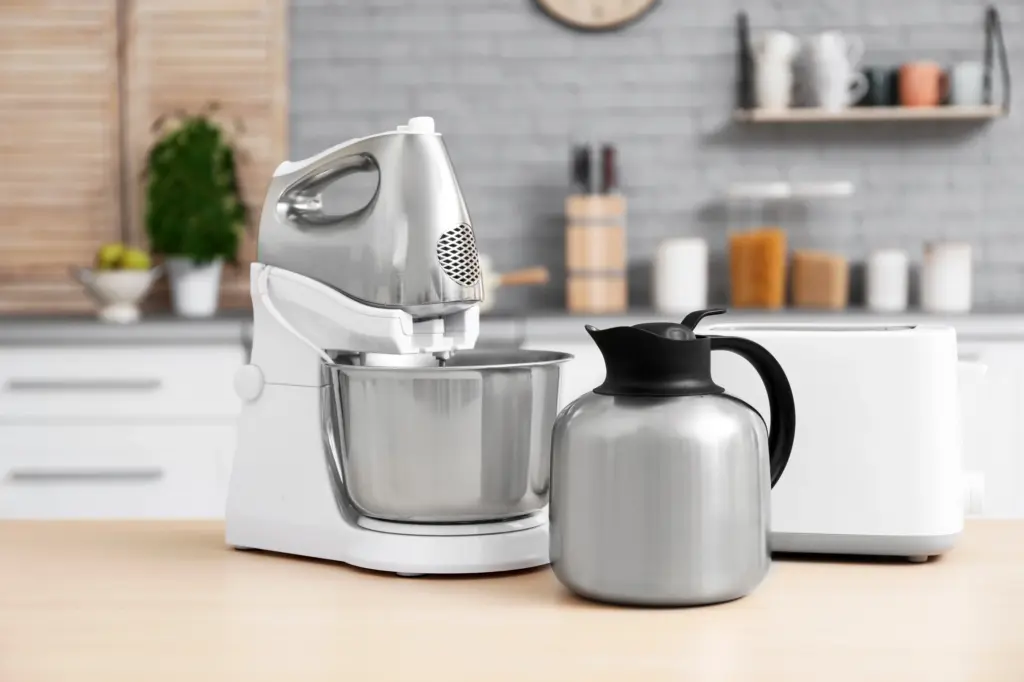
Warning Signs That An Appliance Is Wearing Out
Kitchen appliances rarely stop working without warning. Most begin showing subtle symptoms months before complete failure occurs. Refrigerators may run continuously, struggle to maintain temperature, or develop excessive frost. Dishwashers may leave food residue on dishes, produce unusual noises, or fail to drain completely. Ovens often develop uneven heating patterns, while microwaves may require longer cooking times than before. These gradual changes indicate declining performance rather than sudden failure.
Ignoring these warning signs usually results in higher repair costs because struggling components place additional stress on the rest of the appliance. Homeowners who address problems early often avoid more extensive damage and extend the useful life of their appliances considerably. Recognizing early performance changes is one of the most valuable habits for protecting long-term appliance reliability.
Should You Repair Or Replace An Aging Appliance?
One of the most common questions homeowners ask as appliances age is whether repairs are still worthwhile. The answer depends on several factors, including the appliance’s age, repair history, replacement part availability, and the cost of the repair compared to purchasing a new unit. If an appliance has operated reliably for many years and develops a relatively minor problem, repairing it often makes financial sense. Replacing a thermostat, heating element, water inlet valve, or door gasket usually costs far less than buying a brand-new appliance and can provide several additional years of dependable performance.
However, repeated breakdowns, declining efficiency, rising utility bills, and major component failures often indicate that replacement is the better investment. Refrigerators with failing compressors, dishwashers requiring multiple repairs in a short period, or ovens with damaged control boards may no longer justify continued repair costs. Comparing repair expenses with the expected remaining lifespan helps homeowners make practical decisions while avoiding unnecessary spending. Investing in repairs early rather than waiting until several components fail simultaneously usually delivers the best value.
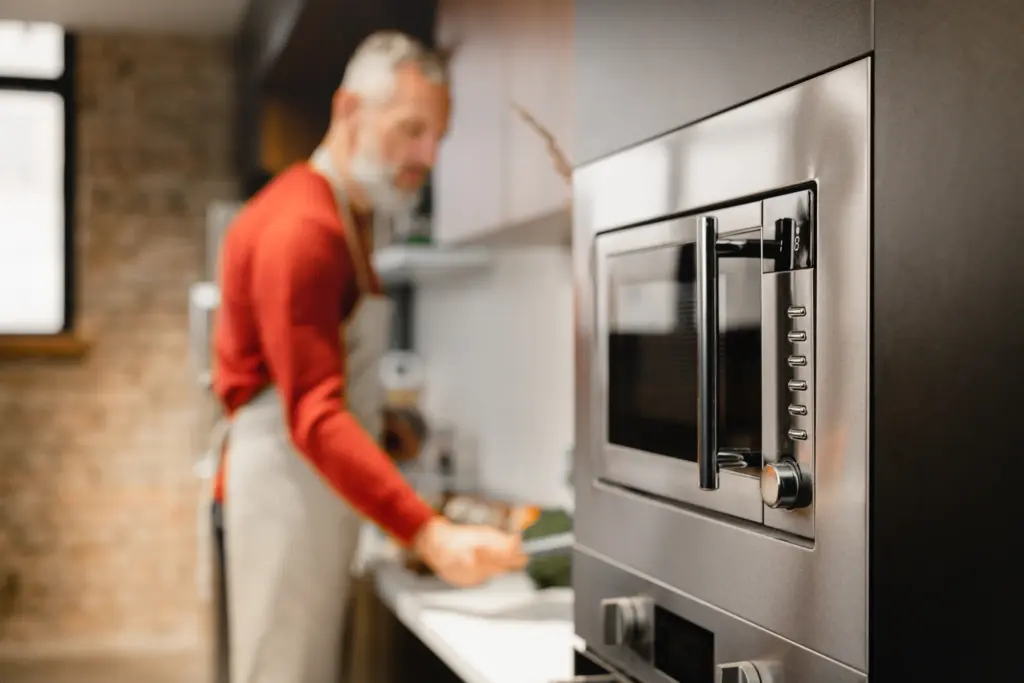
Modern Appliances Offer Better Energy Efficiency
Another important factor affecting how long do kitchen appliances last is energy efficiency. Even if an older appliance still functions, it may consume considerably more electricity or water than a modern replacement. Refrigerators manufactured fifteen or twenty years ago often use much more energy than today’s high-efficiency models. Dishwashers now require less water while delivering improved cleaning performance, and newer ovens feature better insulation that helps maintain consistent temperatures with lower energy consumption.
Homeowners should consider operating costs alongside repair costs when evaluating older appliances. Sometimes replacing an aging refrigerator or dishwasher reduces monthly utility bills enough to offset part of the purchase price over time. The ENERGY STAR appliance program provides information about energy-efficient appliances and estimated operating costs, helping homeowners compare older models with newer alternatives before making a purchasing decision.
Simple Maintenance Habits Can Add Years Of Service
Although every appliance eventually wears out, many failures can be delayed through consistent maintenance. Cleaning refrigerator condenser coils, replacing water filters, inspecting door seals, cleaning dishwasher filters, wiping oven spills promptly, and maintaining proper ventilation all reduce unnecessary strain on appliance components. Manufacturers design appliances to perform reliably, but dirt buildup, restricted airflow, and neglected maintenance often shorten their lifespan long before major components naturally wear out.
Scheduling routine maintenance throughout the year also makes it easier to detect developing problems before they become expensive repairs. Strange noises, longer operating times, declining performance, or small leaks should never be ignored because these issues often become more serious over time. Homeowners who routinely inspect and clean their appliances usually experience fewer unexpected breakdowns and lower repair costs while getting the maximum lifespan from every appliance in the kitchen.
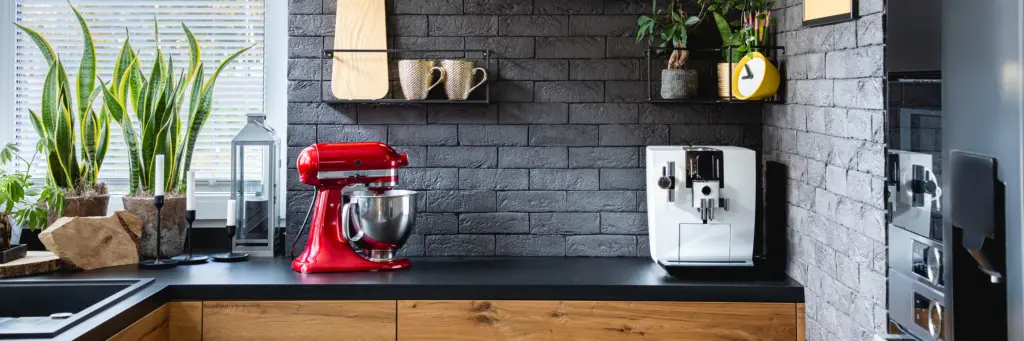
Professional Maintenance Helps Protect Your Investment
Some maintenance tasks are easy for homeowners to perform, while others benefit from professional inspection. Refrigerators, for example, may continue running even when cooling efficiency has begun declining. Addressing minor cooling issues early can prevent excessive compressor wear and extend the appliance’s overall lifespan. Homeowners looking for professional refrigerator maintenance or repair can learn more about available services by visiting Refrigerator Service. Routine service can often identify developing issues before they lead to food spoilage or complete appliance failure.
Professional technicians can also evaluate older appliances and provide honest recommendations about whether repair or replacement offers better long-term value. This guidance helps homeowners avoid investing in costly repairs when an appliance has already reached the end of its practical service life. Receiving expert advice before major breakdowns occur often saves both time and money while reducing unexpected disruptions in the kitchen.
Final Thoughts
Knowing how long do kitchen appliances last helps homeowners plan for future replacements while getting the most value from their current equipment. Regular maintenance, prompt repairs, and proper operation can often extend appliance life well beyond average expectations. When performance begins declining or repairs become more frequent, professional guidance can help determine the most cost-effective solution. Homeowners throughout Northeast Ohio can visit My Appliance Guy or call at (440) 409-4541 for trusted appliance maintenance and repair services that help keep kitchen appliances running efficiently for years.