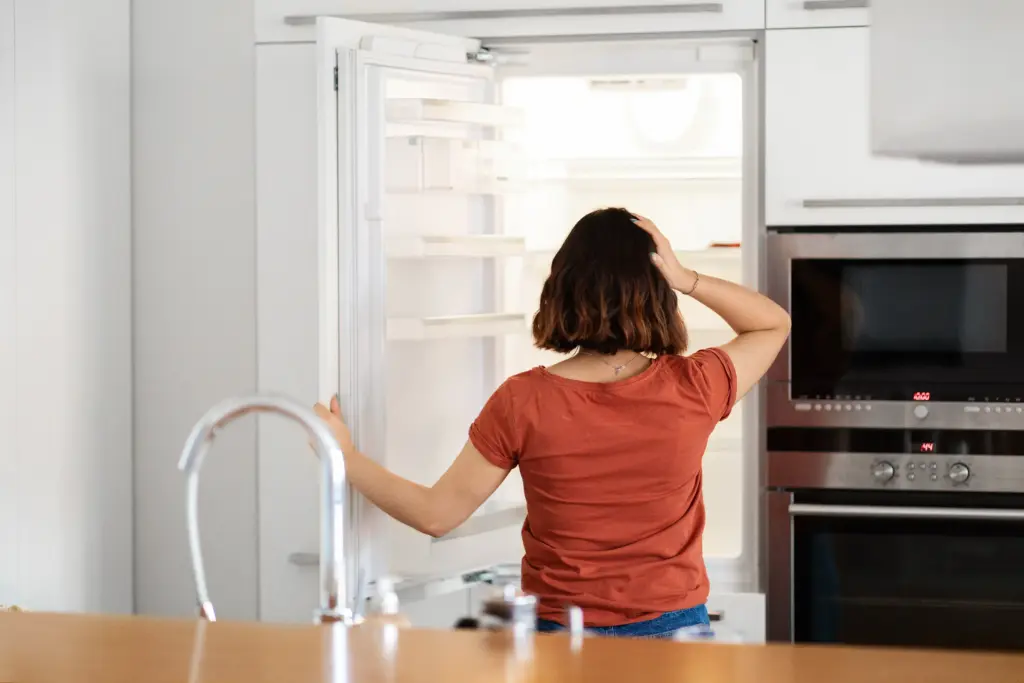
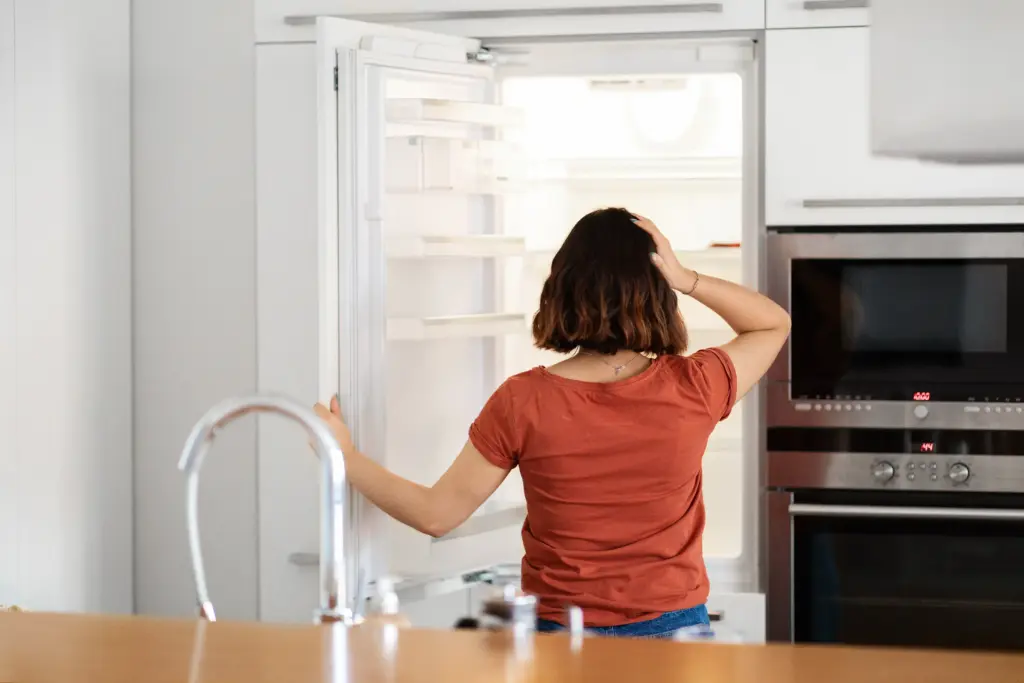
Water leaking from a refrigerator can be alarming, especially when puddles begin forming on the kitchen floor or water starts collecting inside the appliance. To answer why is my refrigerator leaking water, the most common causes include a clogged defrost drain, blocked drain tube, damaged water supply line, cracked drain pan, excessive condensation, or problems with the refrigerator’s cooling system. While some leaks are simple maintenance issues, others may indicate a developing problem that requires attention before it affects food storage or damages surrounding flooring and cabinets.
Modern refrigerators handle moisture constantly. During normal operation, frost melts during defrost cycles and water is directed through a drainage system designed to remove it safely. When any part of that process becomes restricted or damaged, water can appear where it should not. Understanding the source of the leak is the first step toward correcting the problem and preventing it from returning.
Clogged Defrost Drains Are The Most Common Cause
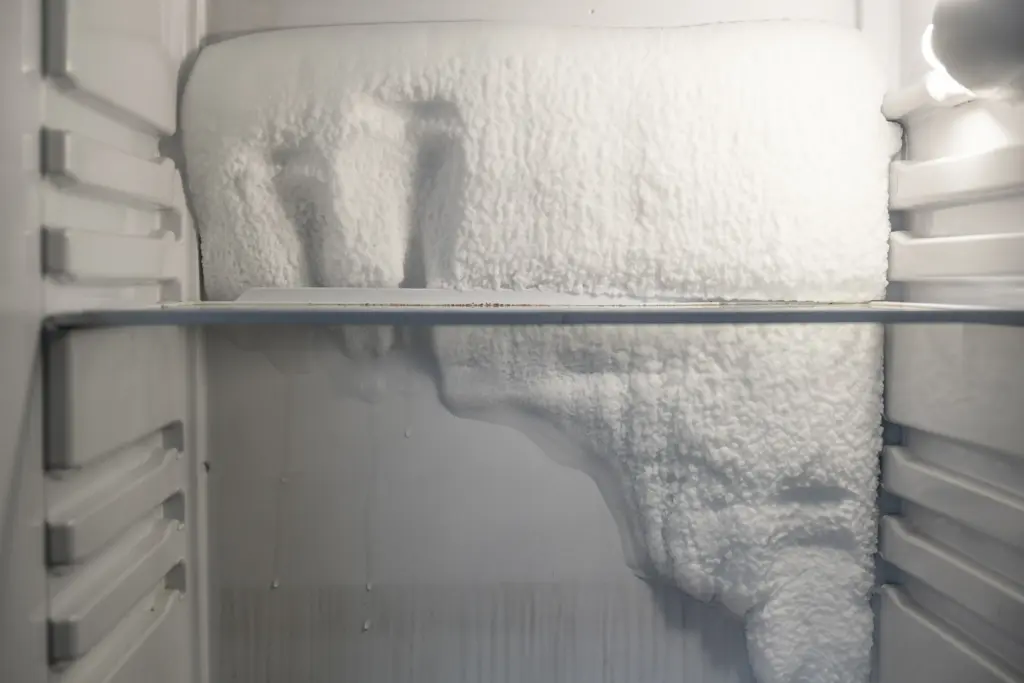
One of the most frequent answers to why is my refrigerator leaking water involves a clogged defrost drain. During automatic defrost cycles, frost that accumulates on evaporator coils melts and flows through a drain opening. That water then travels through a drain tube and eventually reaches a collection pan beneath the appliance. When food particles, debris, ice, or mineral buildup block the drain, water has nowhere to go and begins backing up inside the refrigerator or freezer compartment.
Homeowners often notice water collecting beneath crisper drawers, forming ice sheets in the freezer, or leaking onto the kitchen floor. Because the blockage develops gradually, the leak may appear intermittently at first before becoming more noticeable over time. Cleaning the drain and ensuring water can move freely through the system often resolves the issue completely.
Blocked Drain Tubes Can Cause Hidden Leaks
The drain tube works alongside the defrost drain to move water safely away from the refrigerator interior. If this tube becomes restricted by debris, mold growth, mineral deposits, or ice, water may overflow before reaching the drain pan. Unlike a visible drain opening, the tube is often hidden behind panels, making diagnosis more difficult.
A partially blocked drain tube can create inconsistent leaks that seem to appear randomly. Homeowners may find water in different locations depending on how much moisture accumulates during defrost cycles. Inspecting and clearing the drain tube is an important part of diagnosing why is my refrigerator leaking water because even a small restriction can disrupt the entire drainage process.
Water Supply Line Problems Around Ice Makers
Refrigerators equipped with ice makers or water dispensers rely on water supply lines that remain pressurized throughout the day. A loose connection, cracked fitting, or damaged supply line can allow water to escape slowly behind or beneath the appliance. Because these leaks often occur out of sight, they may go unnoticed until significant moisture accumulates.
Inspecting the water line connections behind the refrigerator can help identify leaks early. Homeowners should look for damp areas, corrosion around fittings, or visible signs of dripping. Water supply line leaks are especially common in older installations where tubing has become brittle or connections have loosened over time.
Excessive Condensation Inside The Refrigerator
Condensation is a normal part of refrigerator operation, but excessive moisture can indicate a problem. Warm air entering the refrigerator through damaged door seals, frequently opened doors, or improper temperature settings increases humidity inside the appliance. As this moisture condenses, water droplets may collect on shelves, walls, and food containers.
When condensation becomes severe, the excess water may eventually leak onto the floor. Checking door gaskets for gaps and ensuring doors close properly can help reduce unwanted moisture. This type of leak is often overlooked because homeowners focus on drainage components while the actual problem begins with air infiltration.
Damaged Door Gaskets And Air Leaks
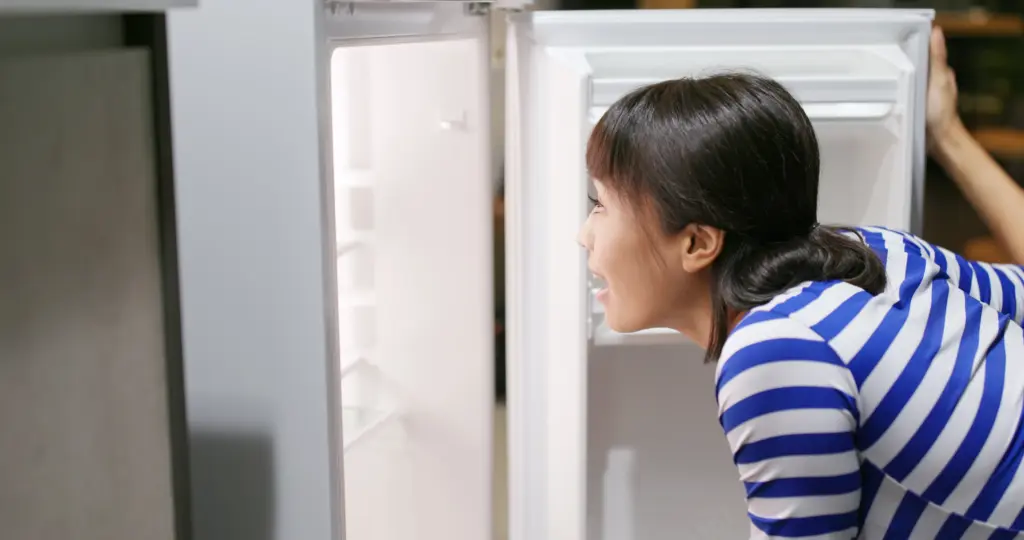
Door gaskets create the airtight seal that keeps cold air inside the refrigerator. When these seals become cracked, loose, or worn, warm humid air enters continuously. This forces the cooling system to work harder and increases moisture levels throughout the appliance. Excess condensation can overwhelm normal drainage processes and contribute to water leaks.
A simple paper test can help determine whether the gasket is sealing properly. Place a piece of paper between the door and frame, then close the door. If the paper slides out easily, the gasket may not be providing a proper seal. Replacing damaged door seals often improves cooling efficiency while reducing moisture-related problems.
Cooling System Issues May Contribute To Water Leaks
Not every refrigerator leak is caused by a drainage problem. Cooling system issues can also create conditions that lead to water accumulation. Poor airflow, failing fans, temperature fluctuations, and frost buildup may affect how moisture is managed inside the appliance. In some cases, homeowners experiencing leaks also notice inconsistent temperatures or food spoiling more quickly than normal.
Because cooling performance and moisture management are closely connected, it is important to consider both when troubleshooting refrigerator leaks. Homeowners who are also experiencing cooling problems can learn more by reviewing why refrigerator not cooling. This guide explains several common refrigerator performance issues that may contribute to moisture and leak concerns.
Preventing Future Refrigerator Leaks
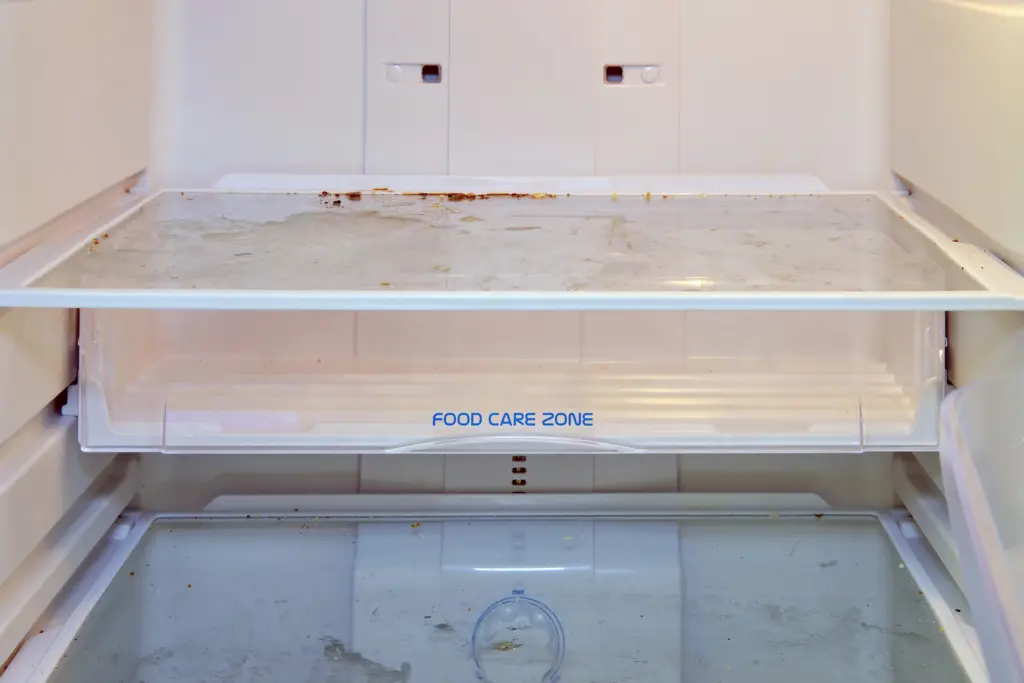
Preventive maintenance can reduce the likelihood of recurring refrigerator leaks. Cleaning the interior regularly, inspecting door seals, checking water supply connections, and keeping drain openings clear all contribute to reliable operation. Small maintenance tasks performed throughout the year often prevent larger problems from developing. The U.S. Food and Drug Administration provides food storage and refrigeration guidance at FDA.gov. Proper refrigerator maintenance supports both food safety and appliance performance.
When Professional Refrigerator Service Is Needed
Some leaks are easy to locate, while others originate from hidden components behind panels or beneath the appliance. When cleaning the drain, inspecting the water line, and checking door seals do not resolve the issue, professional diagnosis may be necessary. Persistent leaks can damage flooring, cabinetry, and nearby appliances if left untreated. Professional technicians can identify the exact source of the leak, inspect cooling system performance, and determine whether internal components require repair or replacement. Early diagnosis often prevents more expensive repairs later and helps maintain reliable refrigerator operation.
Final Thoughts
Refrigerator leaks are commonly caused by clogged defrost drains, blocked drain tubes, water line issues, damaged door seals, or excessive condensation. Addressing the source of the leak quickly can help prevent water damage, improve appliance performance, and protect stored food. Homeowners throughout Northeast Ohio who need refrigerator troubleshooting or repair assistance can visit My Appliance Guy or call (440) 409-4541 for professional service and expert support.