
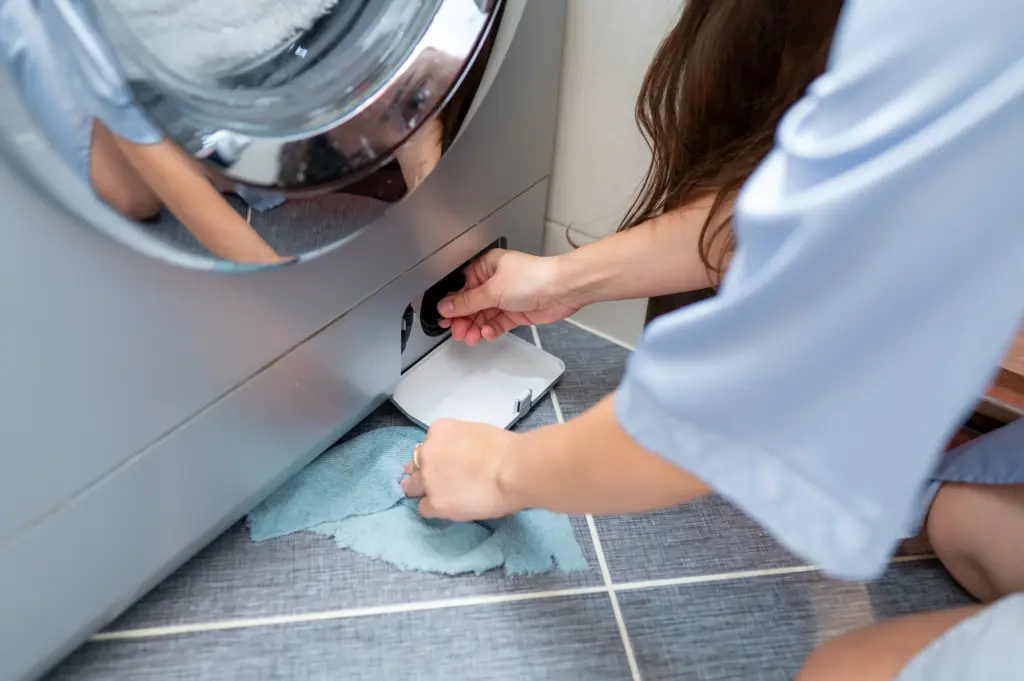
Finding water underneath a washing machine can be frustrating and may cause concern about damage to your floors or nearby cabinets. To answer why is my washer leaking from the bottom, the most common causes include damaged hoses, a clogged drain system, a faulty water pump, worn door seals, overloaded loads, or internal component failures. Identifying the source of the leak quickly is important because even a small leak can worsen over time and lead to expensive repairs or water damage.
A washing machine handles large amounts of water during every cycle. When any part of the water delivery, circulation, or drainage system develops a problem, water can escape from the appliance and collect underneath it. Some leaks are simple to fix, while others require professional diagnosis. Understanding the most common causes can help homeowners determine the next step and prevent further damage.
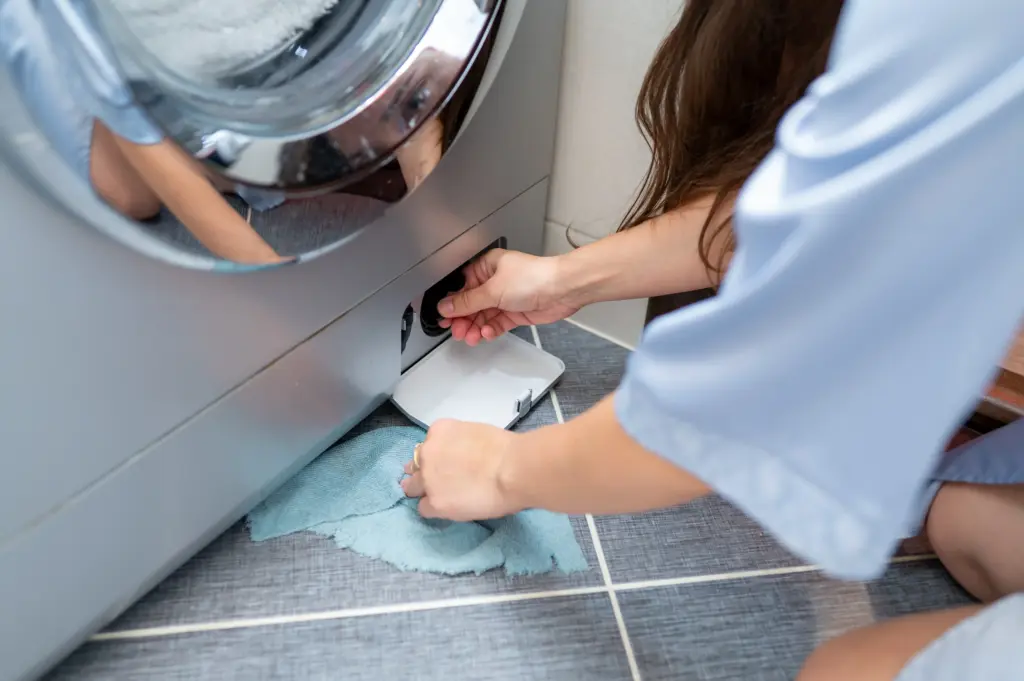
Damaged Or Loose Water Supply Hoses
One of the most common reasons homeowners search for why is my washer leaking from the bottom is a problem with the water supply hoses. These hoses connect the washing machine to the household water supply and remain under pressure whenever the machine is in use. Over time, hoses can crack, develop pinhole leaks, or loosen at their connection points. Even a small opening can allow water to drip slowly onto the floor. Inspect both the hot and cold water supply hoses behind the washer. Look for signs of moisture, corrosion around fittings, or visible damage along the hose length. Tightening loose connections may resolve the issue, but damaged hoses should be replaced immediately. Regular hose inspections are one of the easiest ways to prevent unexpected leaks.
A Clogged Or Damaged Drain Hose
The drain hose removes wastewater from the washing machine after each cycle. If this hose becomes clogged, kinked, or damaged, water may back up and leak onto the floor. In some cases, the hose may pull partially out of the drain standpipe, allowing water to spill during the drain cycle. Inspect the hose for cracks, holes, or sharp bends that may restrict water flow. Check that it is properly secured in the drain pipe and free from obstructions. A drain hose issue often becomes noticeable during the spin and drain portion of the cycle because this is when the largest amount of water moves through the system.
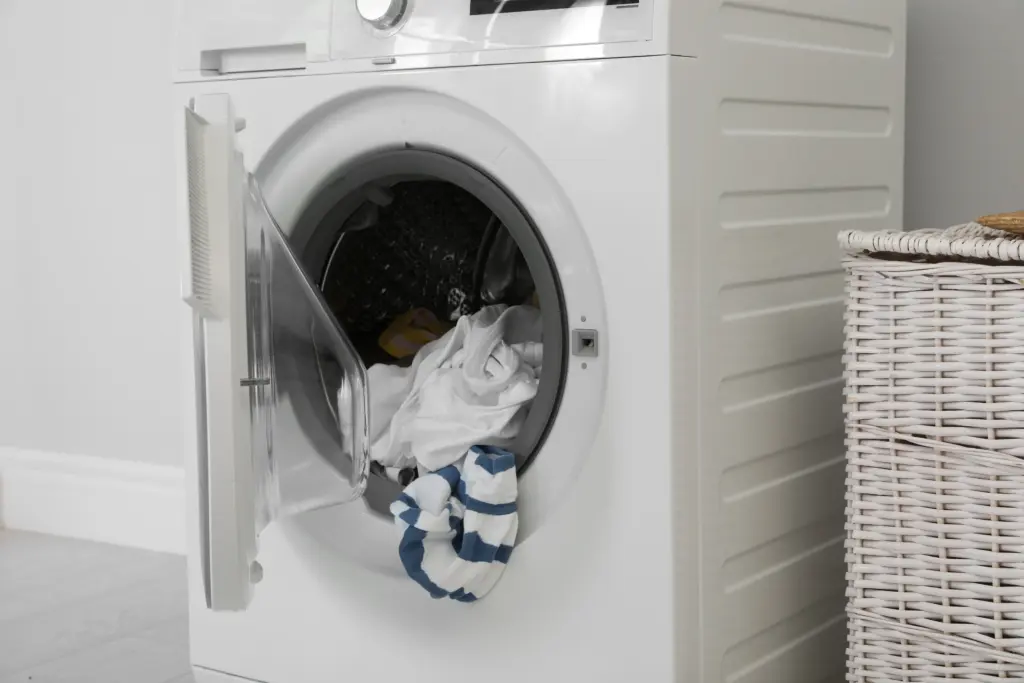
A Faulty Water Pump Can Cause Bottom Leaks
The water pump is responsible for moving water out of the washing machine during drain cycles. Because it handles large amounts of water and contains moving parts, it can wear out over time. Cracks in the pump housing, worn seals, or loose connections may allow water to escape and collect beneath the appliance. If the leak appears mainly during draining, the pump is a likely suspect. Homeowners may also hear unusual grinding or rattling sounds if the pump is beginning to fail. Since the pump is located inside the machine, diagnosing and replacing it often requires partial disassembly of the appliance.
Door Seal Problems On Front Load Washers
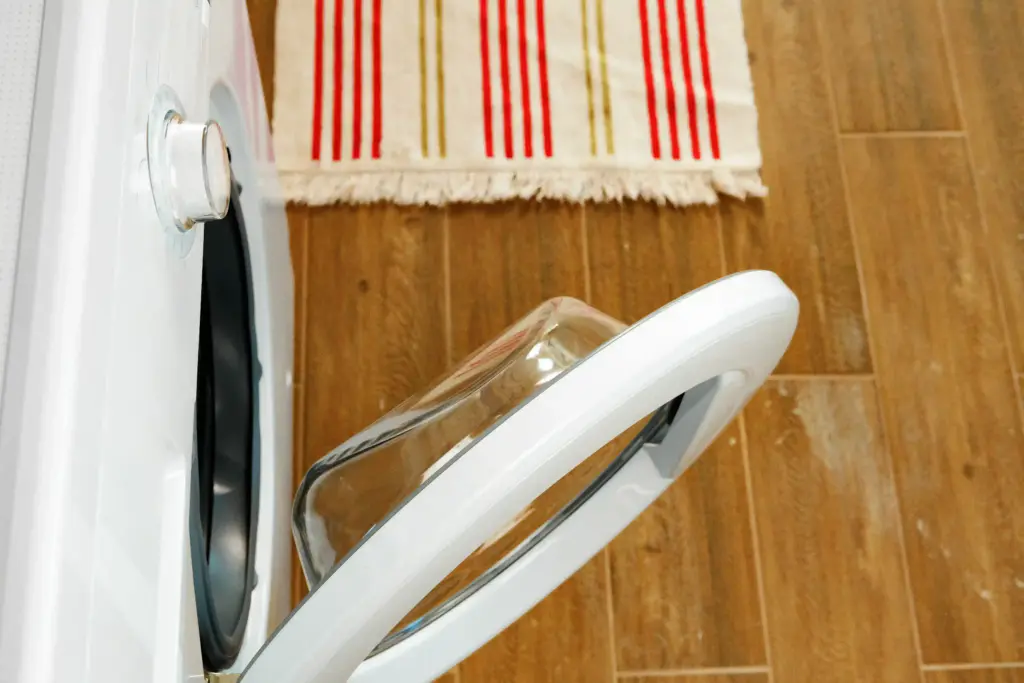
Front-load washing machines use a large rubber door gasket to create a watertight seal during operation. Over time, this gasket can become torn, worn, or contaminated with debris that prevents a proper seal. Water may then escape during wash or spin cycles and run down the front of the machine before pooling underneath. Inspect the gasket carefully for cracks, tears, mold buildup, or trapped objects. Small items such as coins, buttons, or hairpins can damage the seal and create leak paths. Cleaning and maintaining the gasket regularly helps extend its lifespan and reduce the risk of leaks.
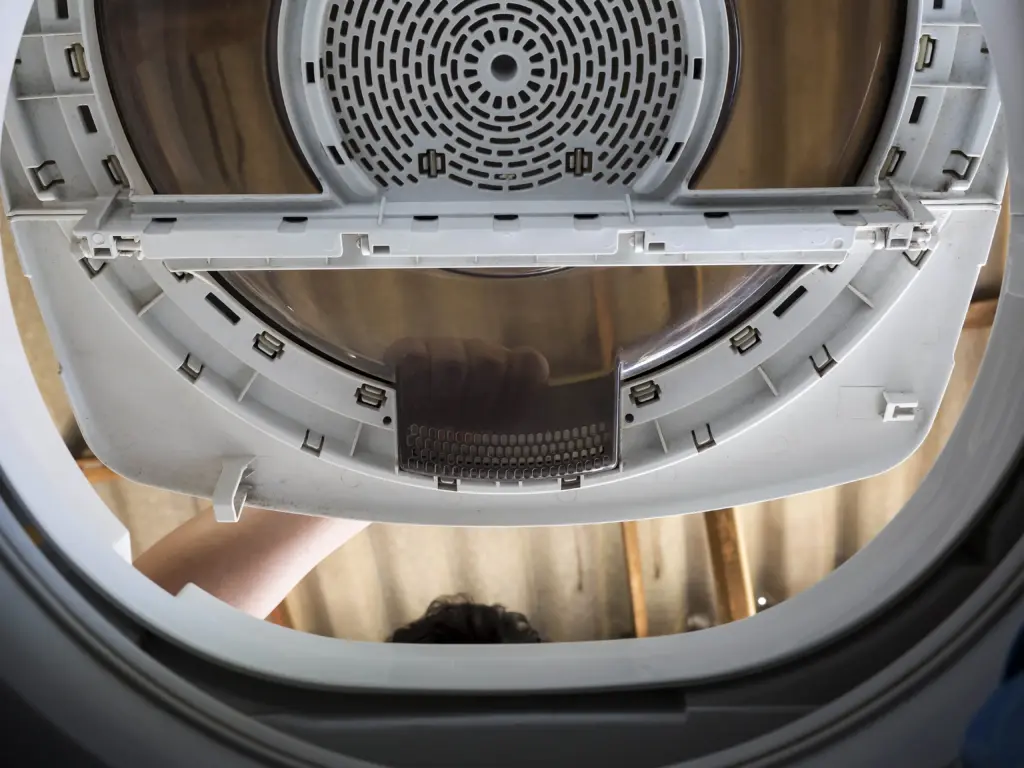
Overloading The Washer Can Lead To Leaks
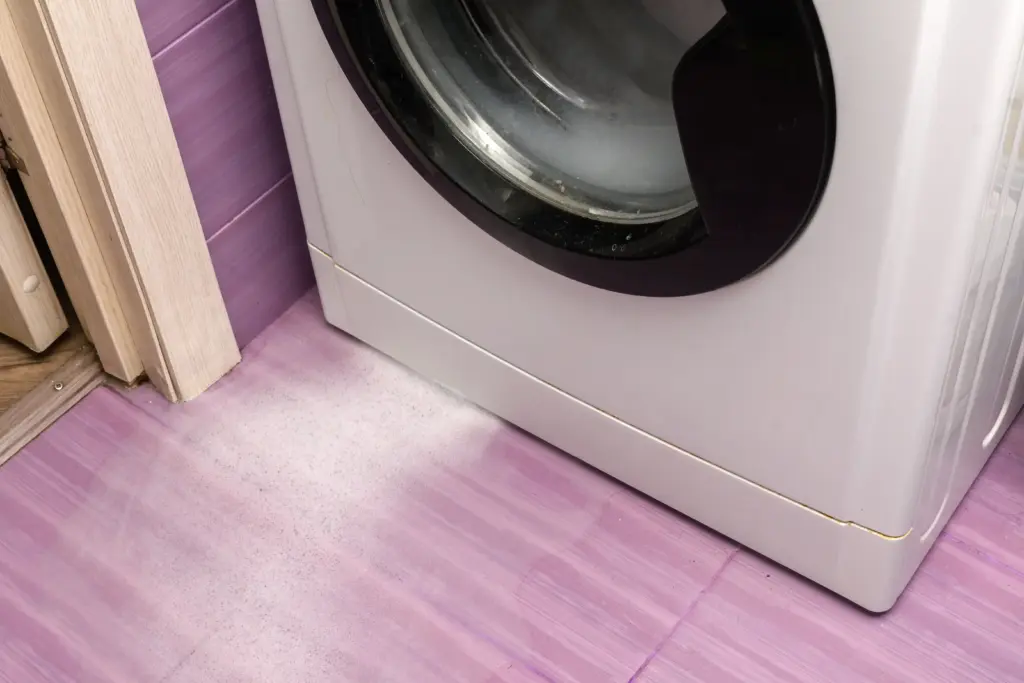
Many homeowners do not realize that overloading the washer can contribute to water leaks. Large loads place additional strain on suspension components and may cause water to splash beyond the normal containment areas inside the machine. Excessive detergent can create a similar issue by producing too many suds, which may overflow and appear as a leak. Following the manufacturer’s recommendations for load size and detergent quantity helps prevent these issues. Modern high-efficiency washers in particular require much less detergent than many people expect. Proper loading practices reduce wear on internal components and help maintain leak-free operation.
Internal Tub Or Seal Damage
In some situations, the answer to why is my washer leaking from the bottom involves damage to internal components. The outer tub, tub seals, bearings, or connecting hoses inside the appliance can develop leaks over time. These issues are generally more serious because they often require extensive disassembly to inspect and repair. Leaks caused by internal tub damage may appear regardless of which cycle is running. Homeowners may notice water collecting beneath the center of the machine or hear unusual noises that accompany the leak. Because these repairs can be complex, professional diagnosis is often recommended.
Preventing Future Washer Leaks
Routine maintenance plays a major role in preventing leaks. Inspecting hoses regularly, cleaning the machine, avoiding overloading, and using the proper amount of detergent can significantly reduce the risk of water escaping from the appliance. The EPA WaterSense program highlights the importance of identifying and fixing leaks early to reduce water waste and prevent property damage. Homeowners should also monitor the area around the washer periodically. Catching a small leak early is far easier and less expensive than repairing water damage after a major failure occurs.
Protecting Your Laundry Room From Appliance Damage
A leaking washer does not just affect the appliance itself. Water escaping from the bottom of the machine can damage flooring, baseboards, nearby walls, and even other appliances located in the laundry room. Homeowners who discover a leak should inspect the surrounding area carefully and look for signs of moisture, mold, or water stains that may indicate the problem has been occurring longer than expected. It is also a good opportunity to evaluate the overall condition of the laundry room and the appliances that operate there every day.
For example, a dryer that takes too long to dry clothes or produces excessive heat may be showing signs of maintenance issues of its own. Keeping both laundry appliances in good condition helps reduce unexpected breakdowns, improves efficiency, and can prevent small maintenance concerns from becoming expensive repairs in the future.
Final Thoughts
If you have been asking yourself why is my washer leaking from the bottom, the cause could be anything from a loose hose to a failing pump or damaged internal seal. While some leaks are minor, ignoring them can lead to water damage, mold growth, higher utility bills, and more expensive appliance repairs. Taking action as soon as you notice water around your washer can help prevent bigger problems and extend the life of the machine. If you are unable to locate the source of the leak or need professional assistance, homeowners throughout Northeast Ohio can rely on My Appliance Guy Washing Machine Repair. Call (440) 409-4541 to schedule expert service and get your washer back to working properly before a small leak turns into a major repair.