
A refrigerator that fails to seal properly can slowly create serious problems without obvious warning signs. Many homeowners notice food spoiling faster, higher electric bills, or moisture forming around the door without realizing the cause is a worn door seal. Learning how to replace refrigerator door seal helps restore cooling efficiency, protects internal components, and prevents unnecessary energy loss. Whether you own an LG, Samsung, GE, or Whirlpool refrigerator, the door seal plays the same critical role in keeping cold air inside and warm air out.
What a refrigerator door seal does
The refrigerator door seal, often called a gasket, creates an airtight barrier between the appliance interior and the surrounding room. It uses flexible material combined with magnetic strips to hold the door firmly against the cabinet frame. When the seal is intact, the refrigerator maintains stable temperatures with minimal effort from the compressor. In popular brands such as LG and Samsung, door seals are designed to work closely with electronic temperature controls, while GE and Whirlpool models often rely on precise mechanical alignment. When the seal weakens, cooling efficiency drops across all brands.
Signs the refrigerator door seal needs replacement
Clear warning signs usually appear before complete seal failure. Cracks, tears, or hardened areas along the gasket indicate aging material. Moisture buildup around the door edges or frost forming inside the freezer also suggests air leakage. Many homeowners notice that the refrigerator door does not close firmly or opens slightly after being shut. These symptoms occur across brands, including LG, Samsung, GE, and Whirlpool models. Recognizing these issues early makes learning how to replace refrigerator door seal a simple way to prevent larger repairs.
Why a damaged door seal affects cooling performance
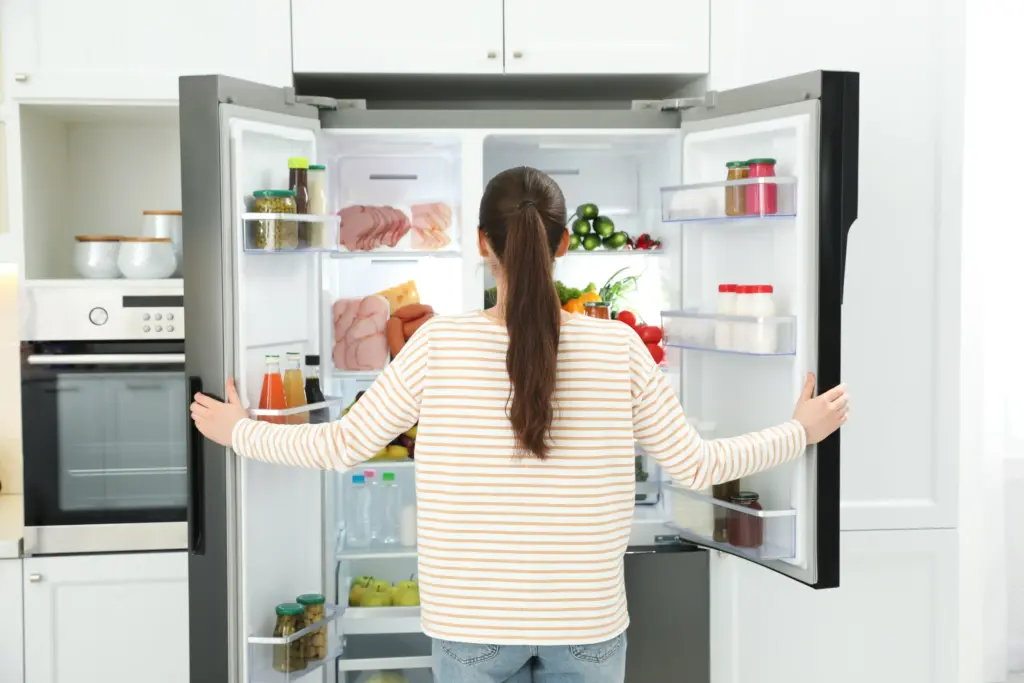
When a door seal no longer closes tightly, warm air continuously enters the refrigerator. This warm air introduces moisture that turns into frost on evaporator coils, restricting airflow. Over time, the compressor runs longer to compensate, increasing wear and energy use. According to the U.S. Department of Energy, poor door sealing is one of the most common causes of energy loss in refrigerators. Replacing the seal restores proper airflow and reduces unnecessary strain on cooling systems found in all major brands.
When replacing the door seal makes sense
Replacing the door seal is recommended when the refrigerator is otherwise functioning properly and has not reached the end of its expected lifespan. Most LG, Samsung, GE, and Whirlpool refrigerators can benefit from seal replacement even after several years of use. Door seals are far less expensive than compressors or control boards, making this repair a cost-effective way to improve performance. Learning how to replace refrigerator door seal at the right time can extend appliance life without the cost of full replacement.
Choosing the correct replacement seal for your brand
Door seals are not universal and must match the refrigerator model exactly. LG and Samsung refrigerators often use molded gasket designs that snap into retaining channels, while GE and Whirlpool models may use screw-mounted seals hidden beneath the gasket lip. Ordering an original manufacturer replacement ensures proper magnetic strength and correct dimensions. Generic seals often fail to seal evenly, leading to continued air leaks. Selecting the correct seal is one of the most important steps when learning how to replace refrigerator door seal properly.
Preparing the refrigerator for seal replacement
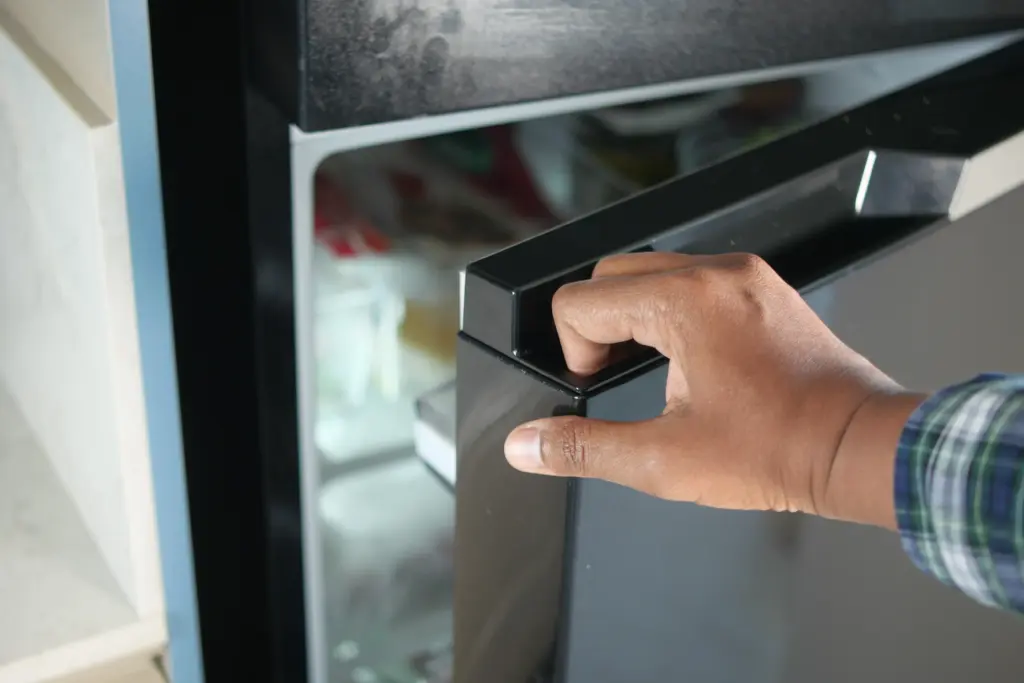
Before replacing the seal, unplug the refrigerator or switch off power to ensure safety. Clean the door frame thoroughly to remove grease, debris, or residue that could interfere with sealing. Allow the new seal to sit at room temperature for several hours so it relaxes and straightens. This step is especially important for LG and Samsung gaskets, which can be stiff when cold. Proper preparation improves installation accuracy and long-term performance.
Removing the old refrigerator door seal
Most door seals are held in place by retaining channels or screws beneath the gasket edge. Gently pull back the seal to locate mounting points, then loosen screws if present. Carefully peel the old seal away from the door without bending the liner. GE and Whirlpool models may require extra care during removal due to tighter mounting designs. Removing the seal evenly helps prevent door damage and simplifies installation of the replacement.
Installing the new door seal correctly
Begin installation at one corner of the door and work gradually around the perimeter. Press the new seal firmly into the retaining channel or position it over mounting screws, depending on the model. Avoid stretching the seal, as this can create gaps. Close the door periodically to check alignment and make minor adjustments. Whether replacing seals on LG, Samsung, GE, or Whirlpool refrigerators, patience during installation ensures proper seating and long-term reliability.
Adjusting the seal for a tight fit
After installation, some seals may require adjustment to conform fully to the cabinet frame. Gently warming the seal with a hair dryer allows the material to soften and mold into shape. This technique works well across most brands but should be done carefully to avoid overheating. Proper adjustment ensures the magnetic strip engages evenly and creates a consistent seal around the entire door.
How long the new seal takes to settle
New refrigerator door seals often take several hours to fully seat. During this time, the door may feel stiff or slightly misaligned. Keeping the refrigerator closed as much as possible allows the seal to conform naturally. Most seals form a proper seal within 24 hours, restoring normal cooling performance and reducing compressor workload.
Testing the seal after replacement
Once installed, test the seal using the paper method around the entire door perimeter. Resistance should feel consistent when pulling the paper out. Monitor the refrigerator for condensation, temperature stability, and door closure over the next few days. Successful testing confirms that learning how to replace refrigerator door seal has corrected the issue and restored proper performance.
Common mistakes homeowners should avoid
Using the wrong replacement seal, overtightening screws, failing to clean the door frame, or installing the seal while cold are common mistakes. These errors can prevent proper sealing and shorten gasket lifespan. Avoid rushing the process and follow manufacturer-specific guidelines for LG, Samsung, GE, or Whirlpool models to ensure the best outcome.
When professional service is recommended
Professional service is recommended if the refrigerator door is warped, hinges are misaligned, or sealing issues persist after replacement. Technicians can adjust doors, inspect cabinet frames, and verify magnetic alignment. At My Appliance Guy refrigerator service, experienced technicians service all major brands and ensure seals perform correctly for long-term reliability.
Local help for refrigerator sealing issues
If you are unsure how to replace refrigerator door seal or notice continued cooling problems, call My Appliance Guy at (440) 409-4541. Our technicians work on LG, Samsung, GE, Whirlpool, and other major refrigerator brands throughout Northeast Ohio and can restore proper sealing and cooling efficiency.
Understanding how to replace refrigerator door seal helps prevent energy waste, improve cooling performance, and protect your appliance from unnecessary strain. With the correct replacement seal, careful installation, and proper adjustment, homeowners can restore efficiency and extend the life of their refrigerator regardless of brand.