
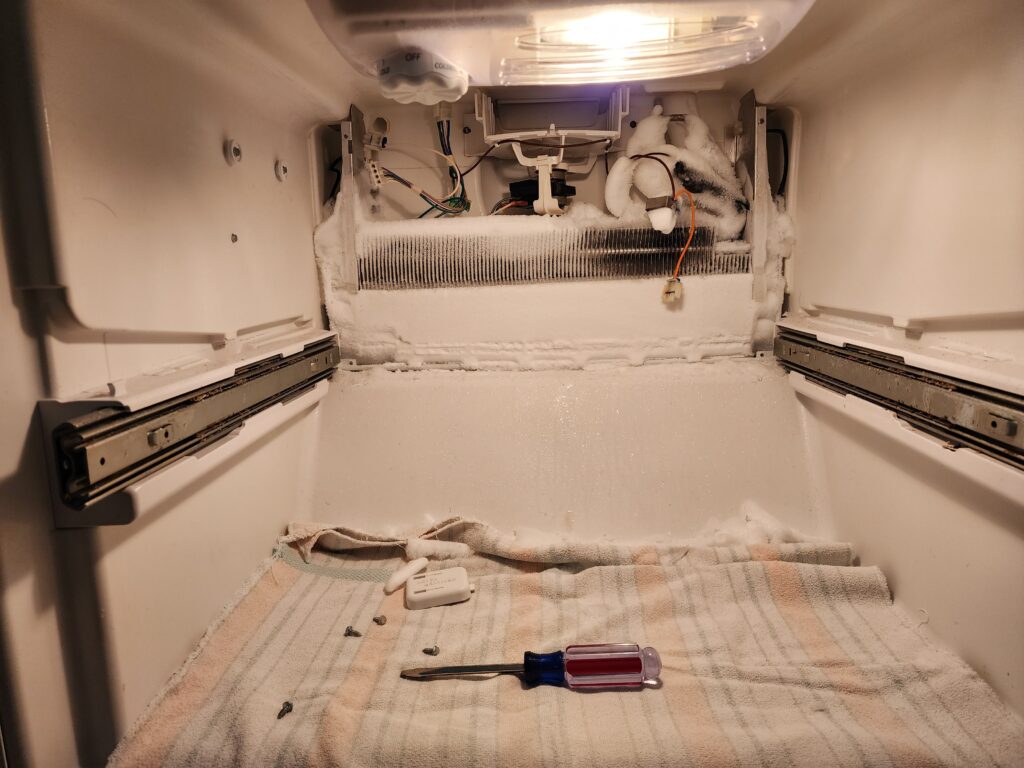
What is freezing temperature? Freezing temperature is the temperature at which a liquid changes into a solid. For water, the freezing temperature is 32°F (0°C). In food storage and refrigeration, freezing temperature is important because it helps preserve food by slowing bacterial growth and preventing spoilage. Understanding what is freezing temperature can help homeowners properly use freezers, protect food quality, and maintain safe storage conditions.
Freezers are designed to maintain temperatures below the freezing point of water, usually around 0°F (-18°C). At these temperatures, food stays preserved for much longer periods while maintaining texture, flavor, and nutritional value. Different foods react differently to freezing, which is why proper freezer settings and storage techniques matter.
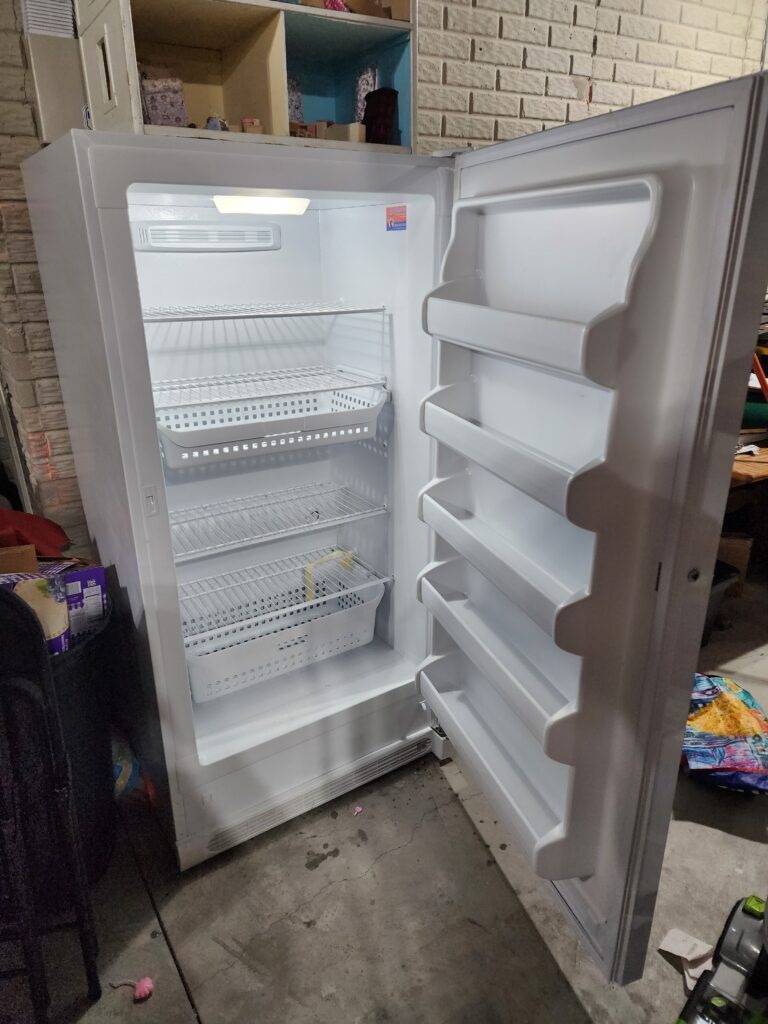
Understanding What Is Freezing Temperature For Food
Freezing is a phase change where a liquid changes to a solid by reducing its temperature below the freezing point. In the case of pure water, this temperature is 32°F (0°C). But since most foods do not have pure water and instead have some solutes like salts, sugar, and protein in them, this makes the freezing point of their water lower than 32°F. This is referred to as freezing point depression.
Freezing causes the water inside the food item to become ice crystals. The size of the ice crystals that form and how quickly they form are important factors that influence the quality of food after freezing. If the food is frozen slowly, then the ice crystals are bigger; however, quick freezing results in smaller ice crystals.
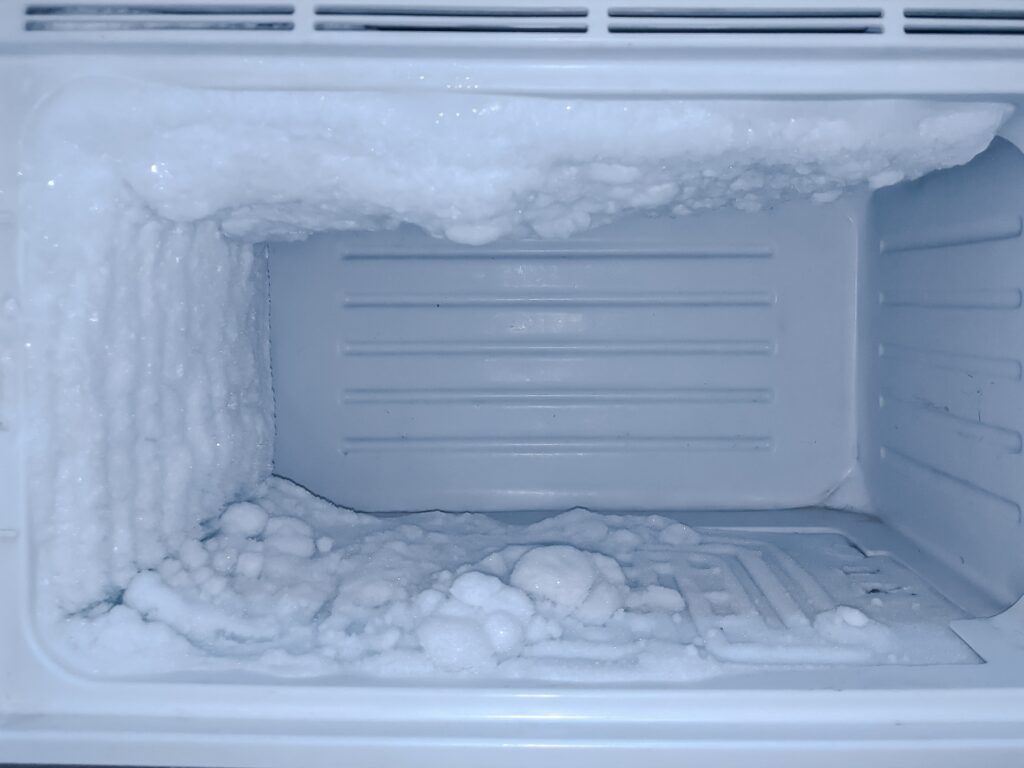
The Role of Freezers
Freezers are designed to maintain temperatures well below the freezing point of water, typically around 0°F (-18°C) or lower. This low temperature is crucial for several reasons:
- Preventing Spoilage:
At temperatures below 0°F, microbial activity is significantly reduced. Bacteria, molds, and yeasts that cause food spoilage and foodborne illnesses cannot grow and reproduce, effectively extending the shelf life of frozen foods. - Preserving Nutritional Value:
Freezing helps retain the nutritional content of food. Vitamins, minerals, and other nutrients are preserved in a frozen state, ensuring that the food remains healthy and beneficial for consumption even after long periods. - Maintaining Texture and Flavor:
By freezing food rapidly, freezers help maintain the texture and flavor of food. The smaller ice crystals formed during quick freezing cause less damage to the food’s cellular structure, preserving its original texture and taste. - Convenience and Economy:
Freezers allow for the storage of food in bulk, which can be more economical. They also enable people to enjoy seasonal foods year-round by preserving them when they are in abundance and potentially cheaper.
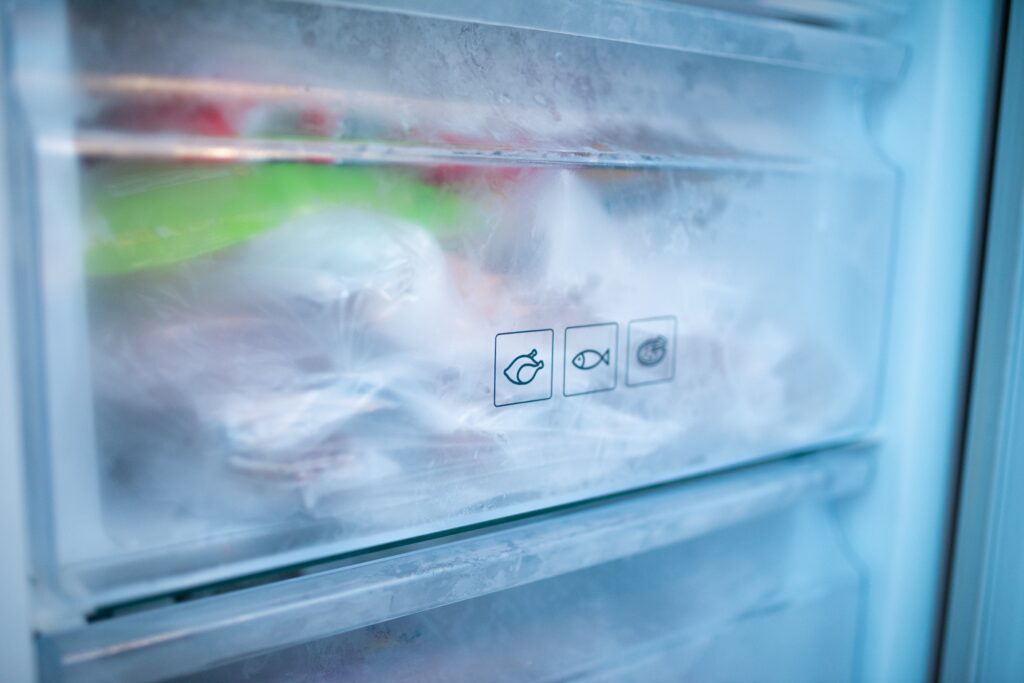
How Freezing Affects Different Types of Food
Different types of food react differently to freezing, and understanding these reactions can help in optimizing freezer use for food storage.
1. Fruits and Vegetables:
- Fruits: Fruits have high water content and can develop large ice crystals if frozen slowly, leading to a mushy texture upon thawing. To mitigate this, fruits are often frozen using flash freezing techniques or by spreading them out on a tray before transferring them to a freezer bag.
- Vegetables: Many vegetables need to be blanched (briefly boiled and then plunged into ice water) before freezing. Blanching stops enzyme actions, which can cause loss of flavor, color, and texture. After blanching, they should be dried and frozen quickly.
2. Meats and Seafood:
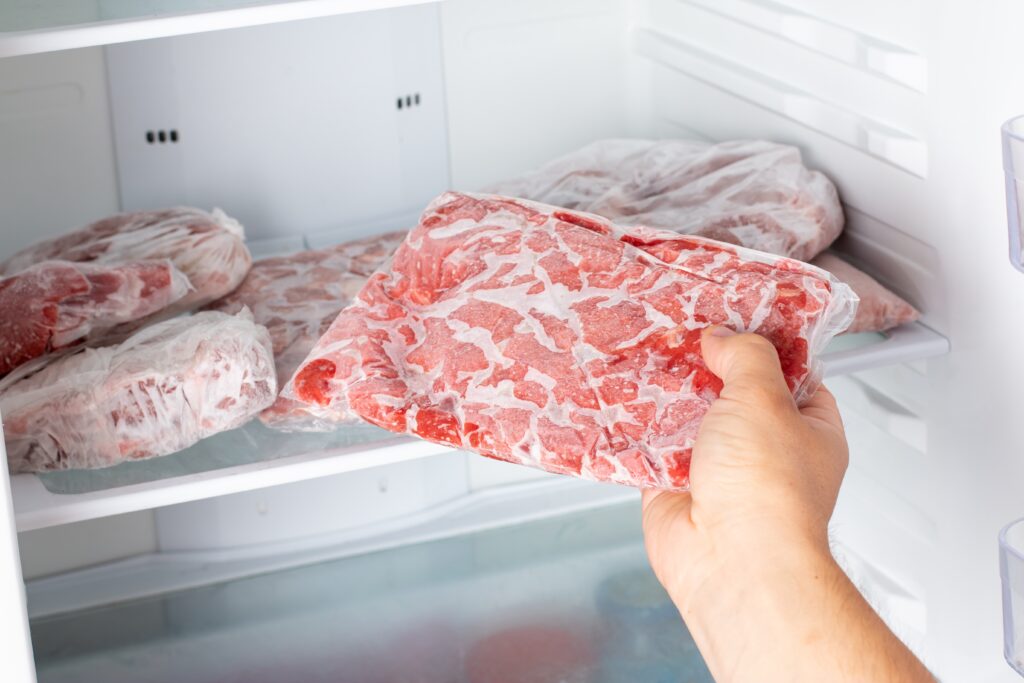
- Meats: Freezing meat slows down the growth of spoilage microorganisms and preserves its quality. For best results, meat should be wrapped tightly to prevent freezer burn, which occurs when air reaches the food’s surface and causes dehydration and oxidation.
- Seafood: Seafood, particularly fatty fish, is prone to freezer burn and oxidation. Vacuum sealing is an effective method to preserve the quality of seafood during freezing.
3. Dairy Products:
- Milk and Cream: While milk can be frozen, it may separate upon thawing, affecting texture and consistency. It is best used for cooking rather than drinking.
- Cheese: Hard cheeses freeze better than soft cheeses. Freezing can alter the texture of cheese, making it crumbly. Grated cheese often fares better in the freezer than blocks.
4. Baked Goods:
- Baked goods like bread, cakes, and cookies freeze well and can be stored for extended periods. It’s essential to wrap them tightly to prevent them from drying out.
Tips for Effective Freezing
To maximize the benefits of freezing and ensure food safety and quality, consider the following tips:
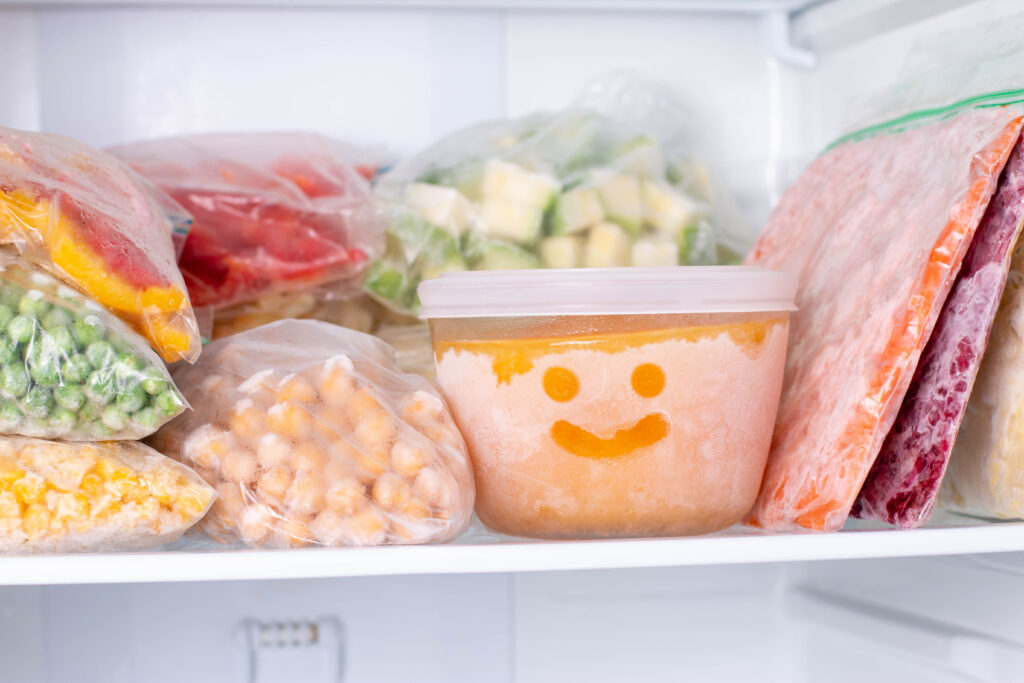
- Proper Packaging:
Use airtight containers or freezer bags to prevent freezer burn and contamination. Removing as much air as possible before sealing can help maintain food quality. - Labeling:
Clearly label packages with the date of freezing and contents. This practice helps in keeping track of food items and using older items first to reduce waste. - Optimal Freezer Temperature:
Set your freezer to 0°F (-18°C) or lower to ensure food remains safely frozen. Regularly check the temperature with an appliance thermometer. - Avoid Overloading:
While freezers are designed to hold a lot of food, overloading can reduce airflow and hinder efficient freezing. Ensure there is enough space for air to circulate around the items. - Freezing in Portions:
Freeze food in portions suitable for your needs. This makes it easier to thaw only what you need, reducing waste and maintaining food quality.
The Impact of Freezing on Food Safety and Shelf Life
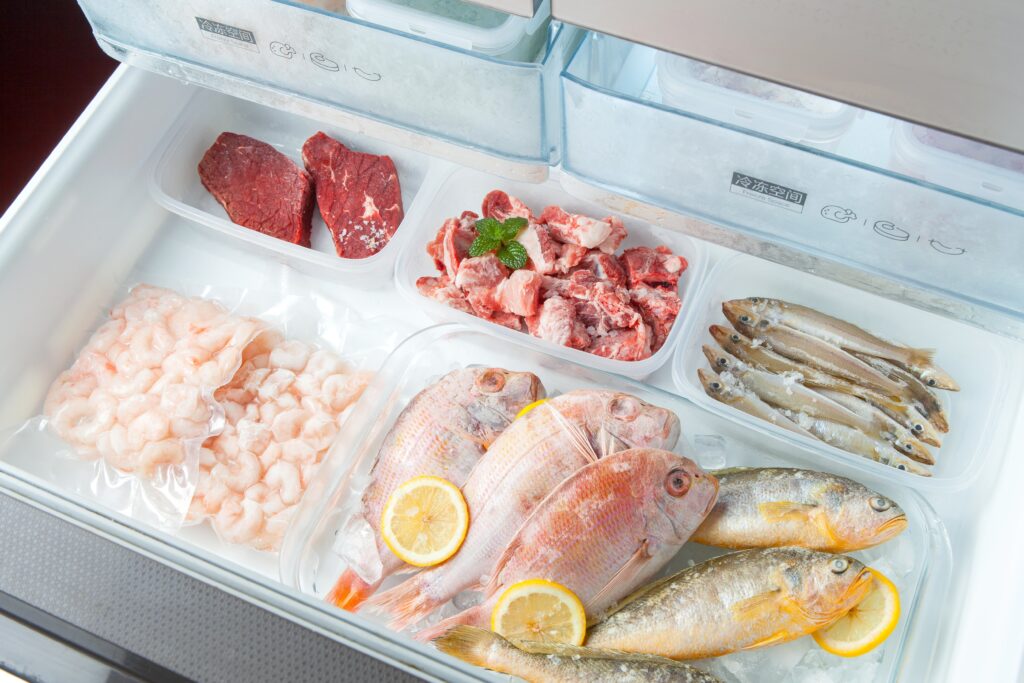
Freezing is perhaps the best way of food preservation and food safety assurance. By preventing bacteria growth and enzyme activities, freezing ensures that food remains safe and consumable for long periods of time. Depending on the kind of food preserved through freezing and the conditions that food is kept in, the duration can differ. Here is a list of examples:
- Fruits and Vegetables: 8-12 months
- Meats (beef, pork, lamb): 4-12 months
- Poultry: 6-9 months
- Fish: 3-6 months for fatty fish, up to 12 months for lean fish
- Baked Goods: 2-3 months
While freezing preserves food safety and quality, it is essential to note that the longer food is frozen, the more likely it is to experience some quality degradation. Proper storage techniques and regular inventory checks can help mitigate this.
Conclusion
Understanding what is freezing temperature can help homeowners improve food storage practices and maintain better freezer performance. Freezers maintain temperatures well below the freezing point of water, ensuring the safety, nutritional value, and quality of stored food. By knowing how different foods react to freezing and employing best practices for packaging and storage, individuals can make the most of their freezers, reducing waste and enjoying a variety of foods year-round. Whether for home use or commercial purposes, the principles of freezing temperature play a crucial role in food preservation and safety.